Malta Ridge Cemetery Malta NY Guide
Gravestone Revival provides gravestone cleaning, leveling and reset, headstone repair and stabilization, appropriate letter repainting, family plot care, and documented cemetery services at Malta Ridge Cemetery in Malta, New York.
We serve local families and out-of-town relatives who have parents, grandparents, spouses, veterans, ancestors, or family plots here but cannot visit or inspect the memorial regularly.
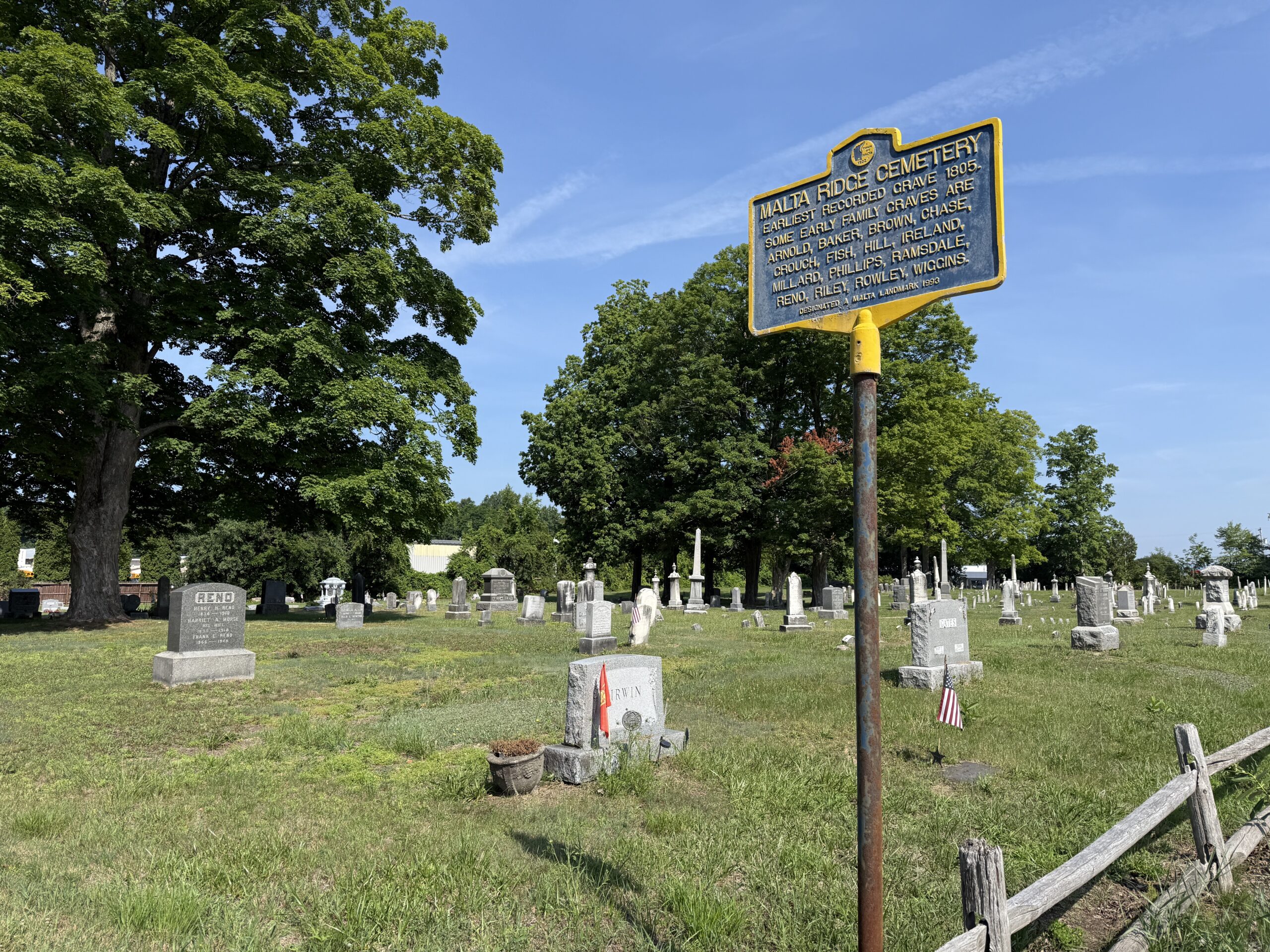
Malta Ridge Cemetery contains historic upright headstones, granite family monuments, veteran markers, later grave markers, a Freeman family white bronze zinc monument, and the distinctive Scidmore carved log memorial. Its varied materials, tree cover, open burial areas, and long period of use can contribute to biological growth, staining, leaning stones, settlement, cracks, weathered inscriptions, and other preservation concerns.
We use preservation-first methods with no harsh chemicals, no wire brushes, and no pressure washing. Before & After Photo Documentation and a Written Gravesite Condition Report are always provided.
Do You Have a Memorial at Malta Ridge Cemetery?
Families often contact Gravestone Revival because they have not seen the memorial recently, live outside the Malta area, or have noticed a condition that may need professional attention.
- A headstone is covered with lichen, moss, algae, dark staining, or other biological growth.
- A name, date, epitaph, military inscription, or decorative detail is becoming difficult to read.
- An upright memorial is leaning, loose, shifted, or unstable.
- A marker has sunk into the surrounding grade or become partly covered by grass and soil.
- A memorial is cracked, separated, fallen, or affected by an earlier repair.
- Painted recessed lettering has faded on an otherwise eligible memorial.
- A white bronze monument has open seams, movement, oxidation, cracks, or other visible concerns.
- A carved log memorial or other unusual monument needs detailed documentation before care is considered.
- Several related memorials within a family plot need to be inspected together.
- An out-of-town family needs current photographs before deciding what work may be appropriate.
- A veteran grave, ancestor’s memorial, or older family stone needs to be located and documented.
- A family wants cemetery care completed before an anniversary, reunion, holiday, or memorial visit.
Current photographs and written condition observations allow families to understand what is present before authorizing cleaning, leveling, repair, lettering, or broader family plot care.
Cemetery Care Services at Malta Ridge Cemetery
The appropriate service depends on the memorial material, age, stability, visible condition, cemetery requirements, family authorization, and project scope.
- Professional Gravestone Cleaning — preservation-first cleaning for lichen, moss, algae, biological growth, environmental staining, soil buildup, and reduced inscription readability.
- Gravestone Leveling & Reset — careful correction for suitable sunken, low, shifted, or leaning grave markers.
- Headstone Repair & Stabilization — preservation-focused assistance for cracked, separated, fallen, loose, leaning, or unstable memorials.
- Headstone Letter Repainting — contrast restoration for eligible memorials originally designed with painted recessed lettering.
- Family Plot Care — coordinated review and documented care for several related memorials within a family burial area.
- Family Memorial Documentation — current photographs, inscriptions, monument materials, symbols, veteran details, and genealogy-friendly records.
- Cemetery Condition Reports — organized photographs, written condition observations, and recommended next steps.
Bronze grave marker cleaning is included under Professional Gravestone Cleaning when appropriate.
About Malta Ridge Cemetery
Malta Ridge Cemetery serves the historic Malta Ridge area of the Town of Malta in Saratoga County. Its burial grounds preserve family names, relationships, military service, inscriptions, monument symbolism, and changing burial traditions across several generations.
Older tablet-style headstones and family monuments appear alongside granite markers, veteran memorials, white bronze zinc monuments, low markers, and decorative memorial forms. This variety reflects changes in stoneworking, monument manufacturing, cemetery design, and family memorial customs.
For present-day families, Malta Ridge Cemetery remains an active place of remembrance. Memorials here may now need cleaning, leveling, repair review, inscription documentation, or coordinated care across an entire family burial area.
Malta Ridge Cemetery at a Glance
- Primary name: Malta Ridge Cemetery
- Location: Malta, Saratoga County, New York
- Cemetery type: Historic community and family burial ground
- Landscape: Mature trees, open lawn, family plots, and memorial sections developed over several generations
- Memorial materials: Marble, granite, white bronze zinc, and other historic monument materials
- Memorial types: Upright tablets, family monuments, veteran markers, low markers, decorative zinc panels, and carved rustic monuments
- Distinctive memorials: Freeman family white bronze monument and Scidmore carved log memorial
- Primary customers served: Local families, out-of-town relatives, veteran families, family plot owners, and descendants conducting burial research
- Original Gravestone Revival photography: Yes
Cemetery Landscape and Memorial Layout
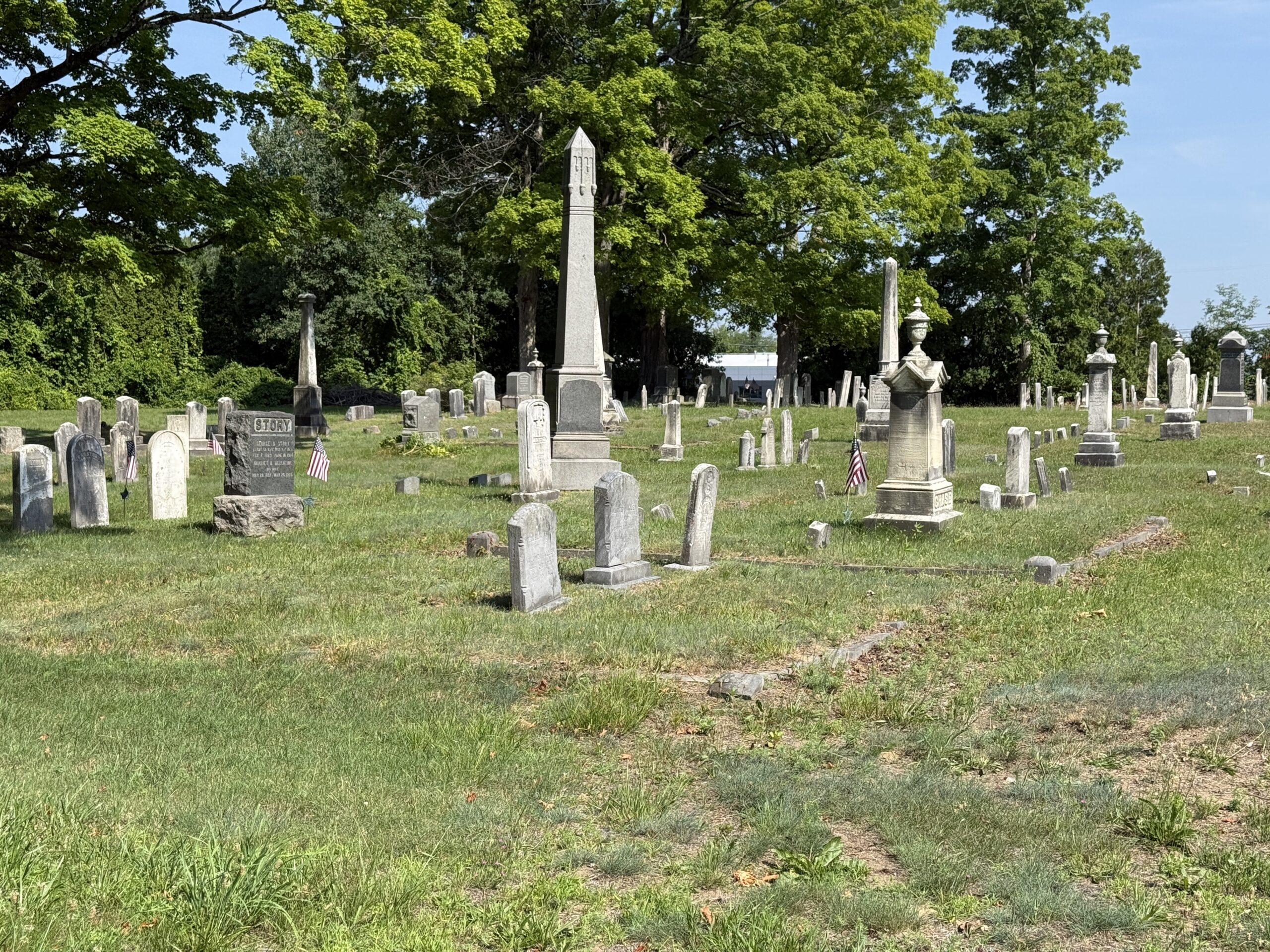
Malta Ridge Cemetery has the character of an established rural and community burial ground. Mature trees, open lawn, older headstone groups, family monuments, and later memorials create a landscape that developed over a long period.
The mix of sun and shade can produce different preservation conditions within the same cemetery. Memorials near trees may retain moisture, collect organic debris, and develop heavier moss, algae, lichen, or dark biological staining. Stones in open sections may receive more direct rain, sun, wind, soil splash, and freeze-and-thaw exposure.
A family plot may contain stones of different heights, ages, materials, and construction methods. A central family monument may stand near individual tablets, footstones, veteran markers, zinc monuments, and later granite memorials. Each requires its own condition assessment.
The Freeman Family White Bronze Monument
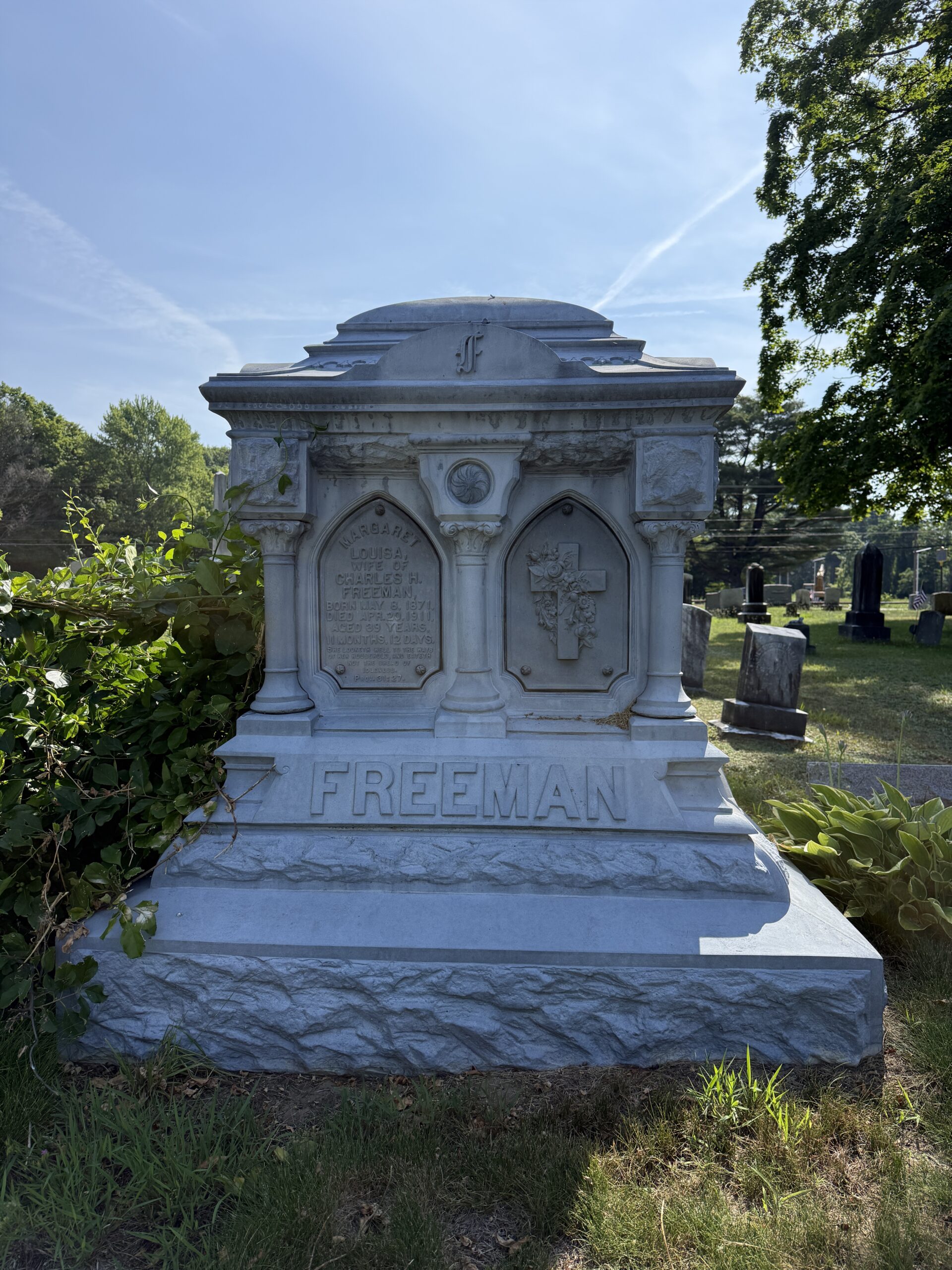
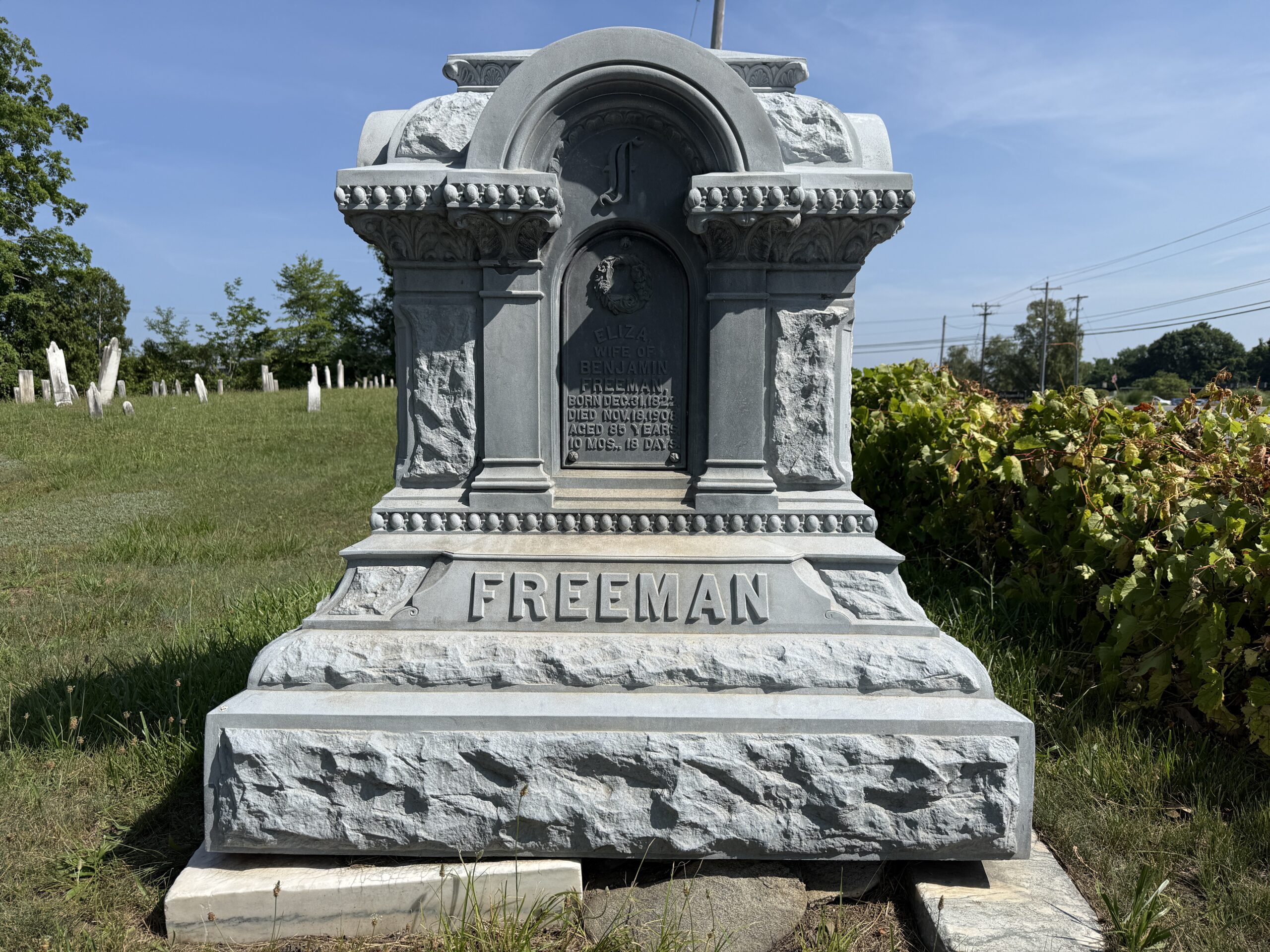
The Freeman family monument is a locally documented example of a white bronze or zinc cemetery monument. Memorials of this type are often called zinkers, although they are not conventional bronze monuments and were not carved from stone.
White bronze monuments were manufactured from cast zinc sections. Decorative panels, inscriptions, architectural details, symbols, and family names were assembled into a hollow monument. Their blue-gray color, raised lettering, and paneled construction distinguish them from granite and marble memorials.
The two Freeman photographs document separate sides of the monument. Multiple views can reveal inscription panels, decorative motifs, panel seams, base movement, open joints, missing fasteners, oxidation, cracks, or distortion that would not appear in one front-facing photograph.
White bronze monuments must not be cleaned or repaired as though they were stone. Abrasive tools, harsh chemicals, pressure, grinding, drilling, and inappropriate fillers can damage the original surface and historic construction.
Learn more in the White Bronze Headstones Guide.
The Scidmore Carved Log Memorial
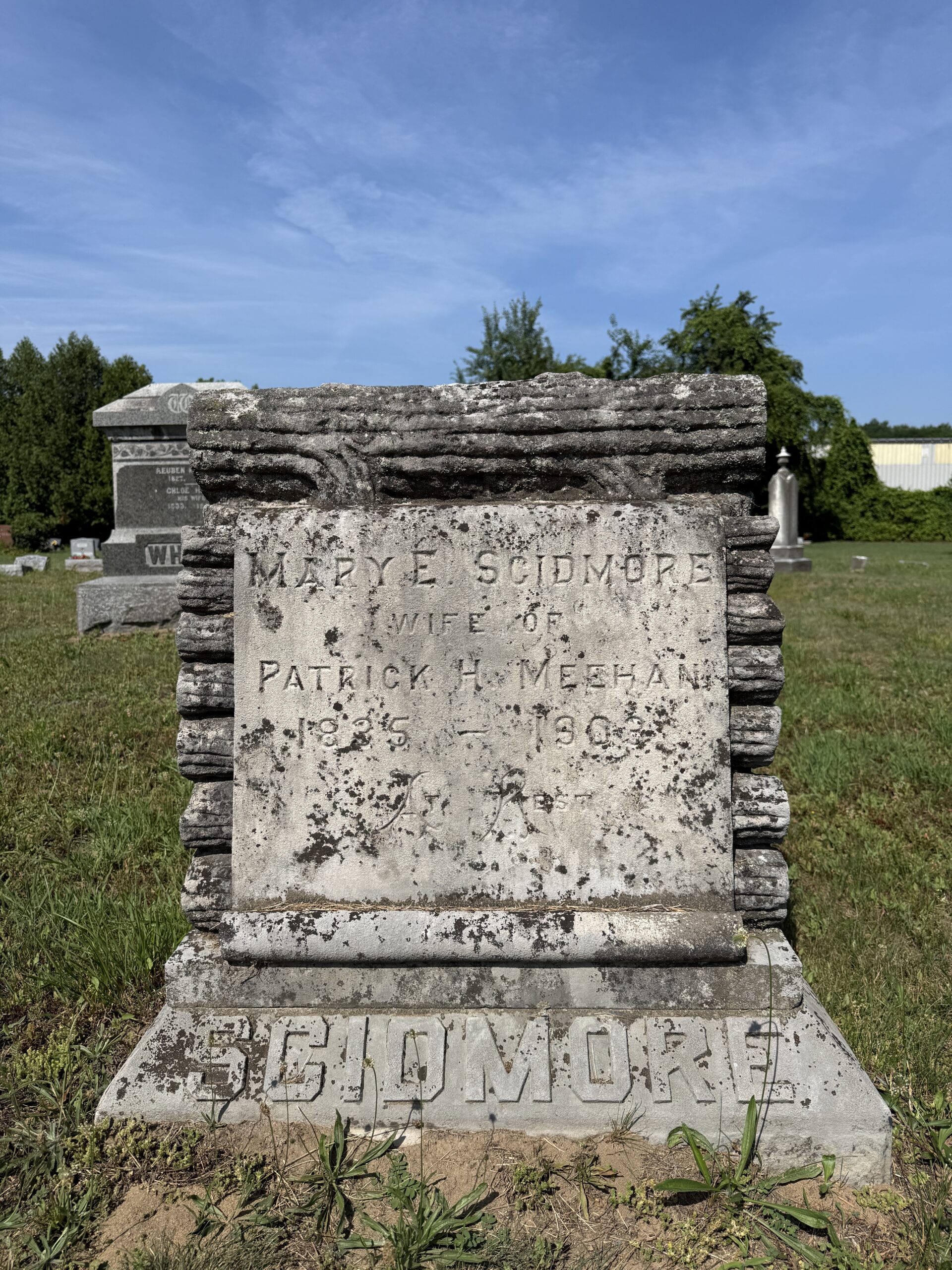
The Scidmore memorial was designed to resemble a section of a log rather than a conventional rectangular headstone. Its carved wood-grain texture and naturalistic form place it within the rustic cemetery-art tradition of the nineteenth and early twentieth centuries.
Tree-stump and log monuments may symbolize a family tree, strength, nature, mortality, a life cut short, or continuing family branches. Their specific meaning depends on the inscription, carved details, family history, and surrounding symbols.
Deep grooves, bark texture, projecting log ends, recessed inscription areas, and uneven surfaces can retain water, soil, moss, lichen, and other biological material. Cracks and separation may also be difficult to see without photographs from several angles.
Before cleaning or repair is considered, a log memorial should be photographed from the front, sides, rear, base, and upper carved surfaces. Preservation should protect the original texture and symbolism rather than aggressively making the monument appear new.
Visible Memorial Conditions
- Biological growth: Moss, algae, lichen, mildew, and organic buildup may cover inscriptions and decorative details.
- Dark staining: Shade, retained moisture, leaf debris, and long-term biological activity may discolor stone.
- Leaning headstones: Soil settlement, frost movement, erosion, roots, and aging foundations may cause upright markers to tilt.
- Sunken markers: Small upright stones, footstones, and low markers may settle into the surrounding grade.
- Cracks and separation: Older memorials may develop fractures, loose components, open joints, or movement between the marker and base.
- Weathered inscriptions: Names, dates, epitaphs, military details, and carved decoration may become difficult to read.
- Faded lettering: Eligible granite memorials originally designed with painted recessed lettering may lose contrast.
- Failed previous repairs: Cement, mortar, adhesives, pins, or other materials may crack, stain, separate, or damage the original memorial.
- White bronze concerns: Zinc monuments may show open seams, oxidation, base movement, bulging, cracks, missing fasteners, or structural distortion.
- Carved log concerns: Deep texture and recessed areas may retain moisture and conceal biological growth or damage.
- Family plot variation: Related memorials may have different ages, materials, construction methods, and preservation needs.
A memorial that appears to need only cleaning may also have instability, weak joints, fragile carving, or material-specific concerns. Documentation and condition assessment should come first.
Family Plot Care at Malta Ridge Cemetery
A family burial area may contain memorials placed many decades apart. One plot can include a central family monument, individual tablets, veteran markers, footstones, granite markers, a white bronze monument, or a decorative carved memorial.
- Wide photographs showing the complete family burial area
- Individual photographs of each identifiable memorial
- Names, dates, relationships, surnames, epitaphs, and symbols
- Veteran, military, religious, fraternal, and organizational details
- Identification of marble, granite, bronze, zinc, and other materials
- Documentation of zinc panels, carved log details, and other unusual monument features
- Notes about staining, growth, sinking, leaning, cracking, separation, and previous repairs
- Observations about bases, roots, tree cover, drainage, shade, and surrounding ground conditions
- Recommendations for cleaning, leveling, repair, stabilization, lettering, or monitoring
- Before-and-after photographs when approved work is completed
- A Written Gravesite Condition Report for family records
This approach helps a family understand the condition and presentation of the entire burial area instead of receiving information about only one headstone.
Cemetery Care for Out-of-Town Families
Many people with family members buried at Malta Ridge Cemetery now live outside Malta, outside Saratoga County, or outside New York. They may have an obituary, family record, burial listing, or old photograph but no current view of the gravesite.
- Confirmation that the correct cemetery and memorial have been located
- Current cemetery and gravesite photographs
- Family plot overview images
- Complete inscription, date, symbol, material, and veteran documentation
- Visible condition notes for staining, growth, sinking, leaning, cracks, separation, or previous repairs
- Photographs of white bronze panels, carved monument details, and nearby family markers
- Recommendations for appropriate cemetery care
- Before-and-after photographs following approved work
- A Written Gravesite Condition Report
Families who cannot visit regularly can begin with Out-of-Town Family Cemetery Care.
Burial Research and Memorial Identification
Older inscriptions, repeated surnames, incomplete records, and family plots containing several memorials can make burial identification difficult.
- Search under Malta Ridge Cemetery and Malta, New York.
- Include the full family surname and known spelling variations.
- Provide approximate birth, death, or burial years.
- Include spouses, parents, children, siblings, or nearby relatives when known.
- Provide military branch, rank, war, or veteran information when applicable.
- Share obituaries, burial records, cemetery screenshots, photographs, or family notes.
- Include nearby headstones, unusual monuments, roads, trees, or other visible landmarks.
Public research starting points include the Find a Grave Malta Ridge Cemetery listing and the Saratoga County NYGenWeb Malta Ridge Cemetery records. Public listings may be incomplete, so onsite verification remains valuable.
Before Cemetery Work Is Scheduled
The correct cemetery, memorial, and family authority should be confirmed before cemetery work is arranged. Malta Ridge Cemetery should not be confused with Malta West Ridge Cemetery, which is a separate burial ground.
Permission may be required for leveling, resetting, excavation, monument movement, structural repair, stabilization, foundation work, or soil disturbance. Current cemetery requirements and family or lot-owner authorization should be confirmed before this work begins.
Decorations, flags, plantings, containers, and other gravesite items may also be subject to current cemetery rules or seasonal removal practices.
How Cemetery Service Works
- Send the cemetery and memorial information. Include Malta Ridge Cemetery, the memorial name, surname, approximate dates, and location details if known.
- Explain what you need. Cleaning, leveling, repair, stabilization, lettering, family plot care, documentation, or a condition report.
- We confirm the burial location. Nearby names, inscriptions, landmarks, and photographs can help identify the correct memorial.
- We review visible conditions. Material, age, stability, biological growth, cracks, earlier repairs, roots, drainage, and ground movement affect what work may be appropriate.
- Permission is confirmed when required. Excavation, monument movement, repair, stabilization, foundations, and soil disturbance may require approval.
- Approved work is completed carefully. No harsh chemicals, no wire brushes, and no pressure washing are used.
- Documentation is provided. Before & After Photo Documentation and a Written Gravesite Condition Report are always included.
Helpful Knowledge Center Guides
These Gravestone Revival guides explain common conditions families may notice at Malta Ridge Cemetery:
Frequently Asked Questions About Malta Ridge Cemetery Care
Can Gravestone Revival clean a headstone at Malta Ridge Cemetery?
Yes, when the memorial material, stability, family authorization, and cemetery requirements make cleaning appropriate. The stone is reviewed before a preservation-first cleaning method is selected.
Can a leaning or sunken gravestone be leveled?
Suitable markers may be candidates for leveling and reset. The memorial, base, surrounding ground, settlement, roots, and cemetery permission requirements must be evaluated first.
Can a cracked or fallen headstone be repaired?
Some cracked, separated, loose, or fallen memorials may be candidates for repair or stabilization. Historic materials and failed previous repairs require individual assessment before recommendations are made.
Can a white bronze monument be cleaned like granite or marble?
No. White bronze monuments are hollow cast-zinc structures and require material-specific documentation and preservation decisions. Stone-cleaning or stone-repair methods should not automatically be used on them.
Do you help families who live outside New York?
Yes. Out-of-town family cemetery care is a primary part of our work. Current photographs and a Written Gravesite Condition Report allow families to understand the memorial and family plot without traveling first.
Can you document an entire family plot?
Yes. A family plot visit can include wide views, individual memorial photographs, inscriptions, material identification, veteran details, visible condition observations, surrounding markers, and recommendations for future care.
Is pressure washing safe for the memorials here?
No. Pressure washing can damage stone surfaces, inscriptions, joints, carved details, and earlier repairs. Gravestone Revival does not pressure wash cemetery memorials.
Nearby Malta Cemetery Resources
Request Cemetery Care at Malta Ridge Cemetery
Send the memorial name if known, family surname, approximate dates, burial details, and what you would like cleaned, leveled, repaired, stabilized, repainted, checked, or documented. Existing photographs, obituaries, veteran information, family records, and nearby memorial names are helpful when available.
We can help locate and document the correct memorial, explain its visible condition, determine what cemetery care may be appropriate, and assist local or out-of-town families who cannot visit regularly.
Preservation-first cemetery care. No pressure washing. Before & After Photo Documentation and a Written Gravesite Condition Report are always provided.