
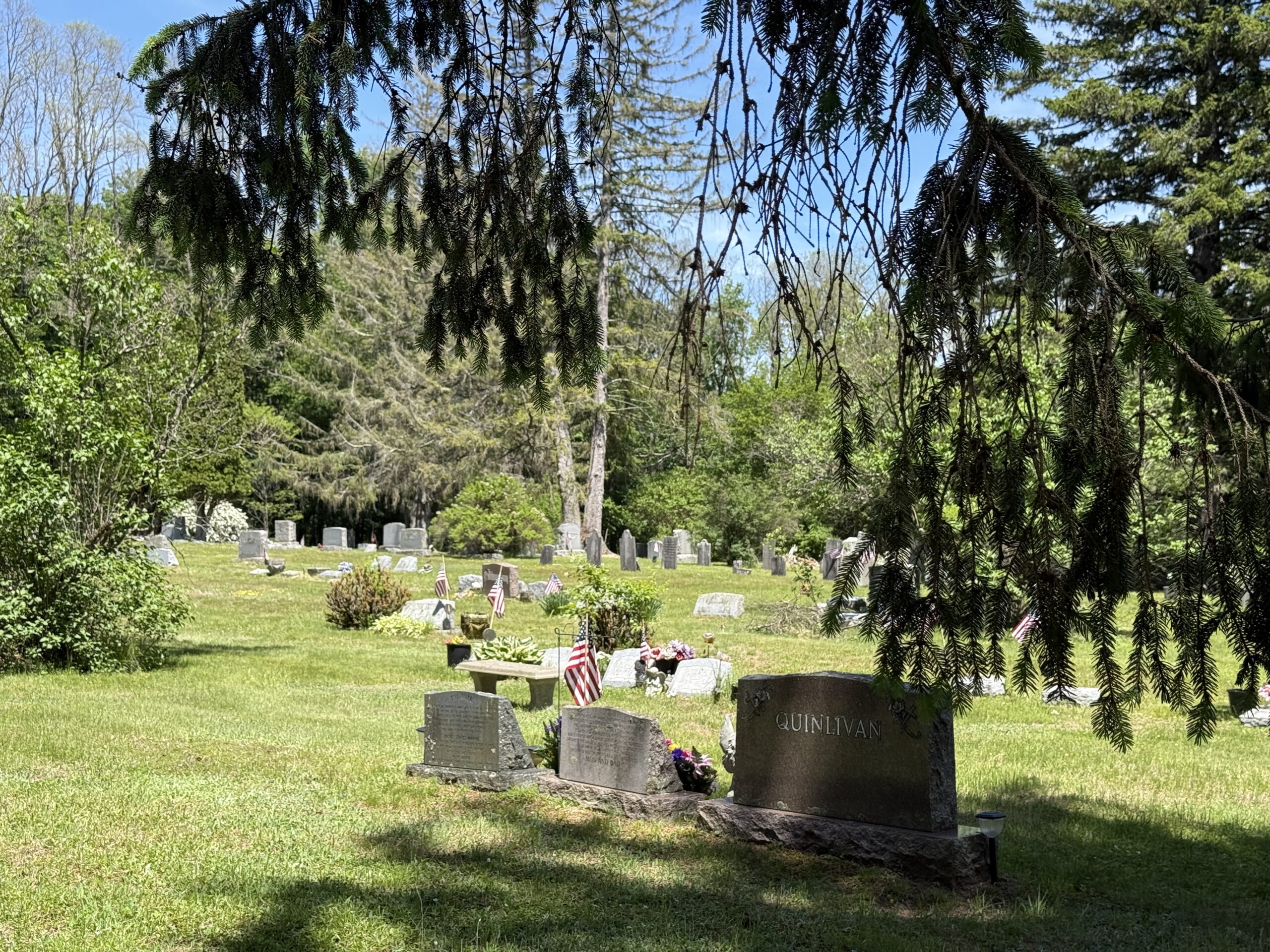
Cemetery Condition Reports
Memorial Condition Documentation for Families, Cemeteries, Churches, Municipalities & Cemetery Associations
Gravestone Revival provides cemetery condition reports for families, cemetery boards, churches, municipalities, cemetery associations, volunteer cemetery committees, and preservation groups that need practical, field-based documentation of visible memorial concerns.
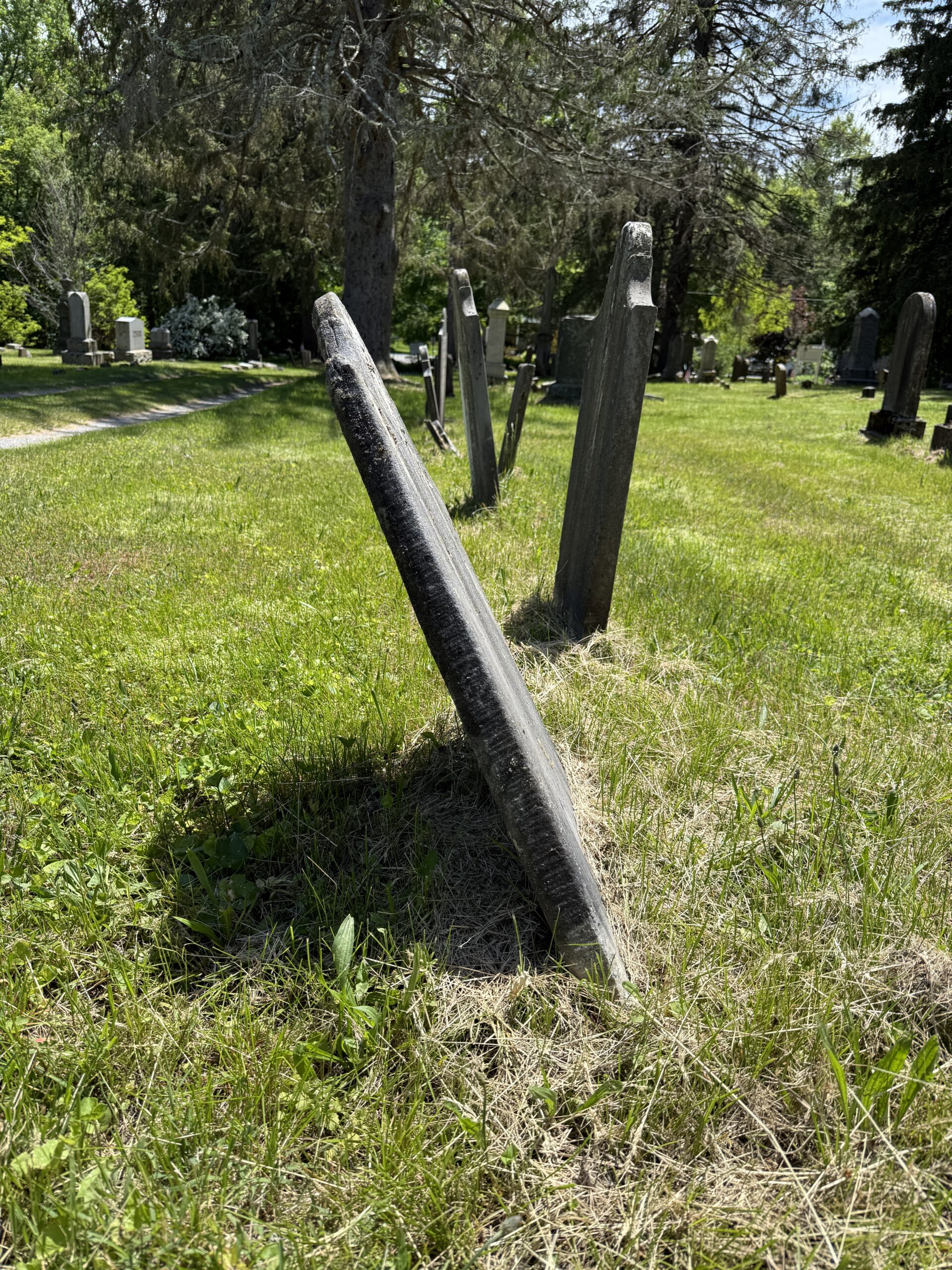
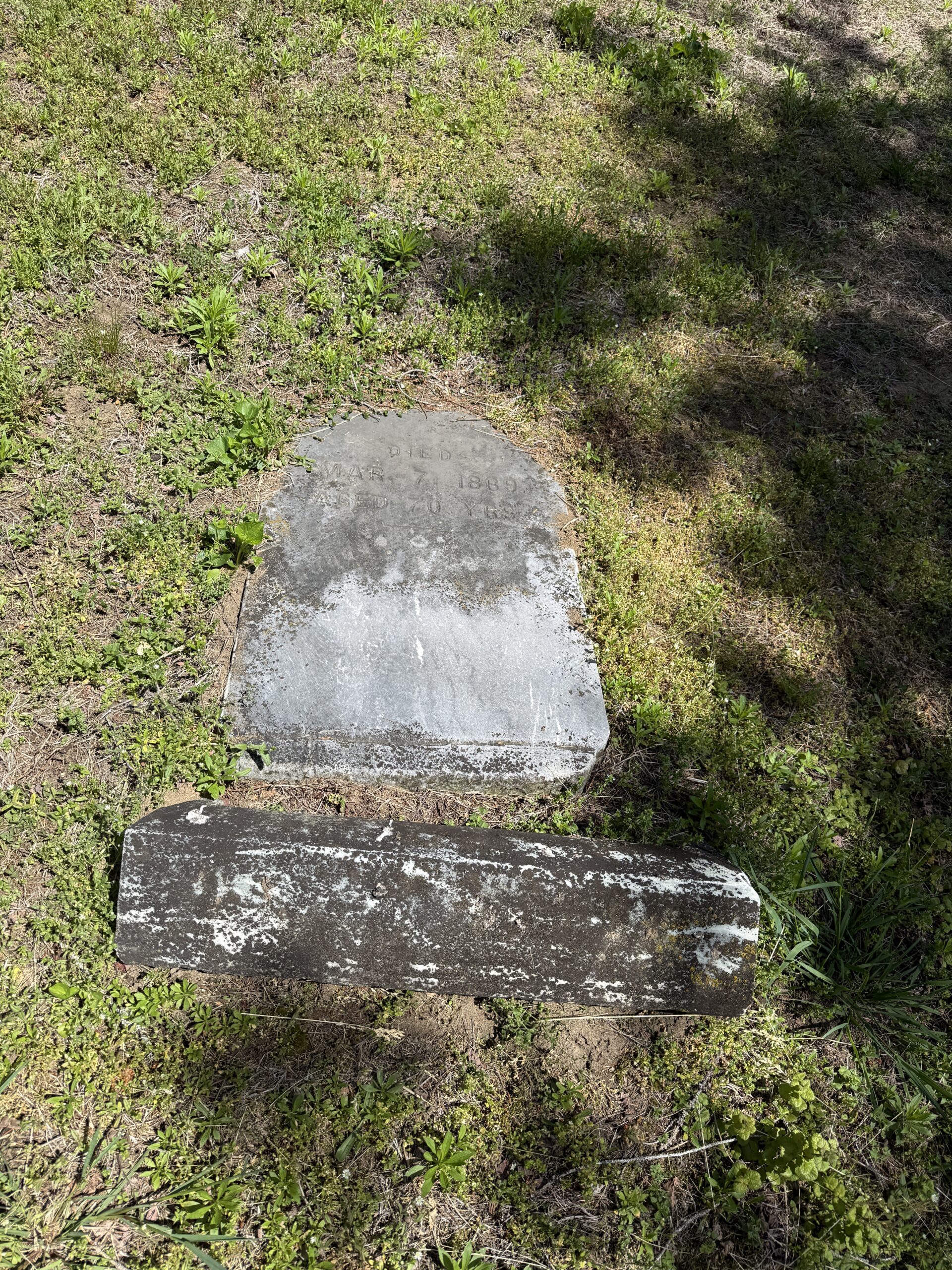
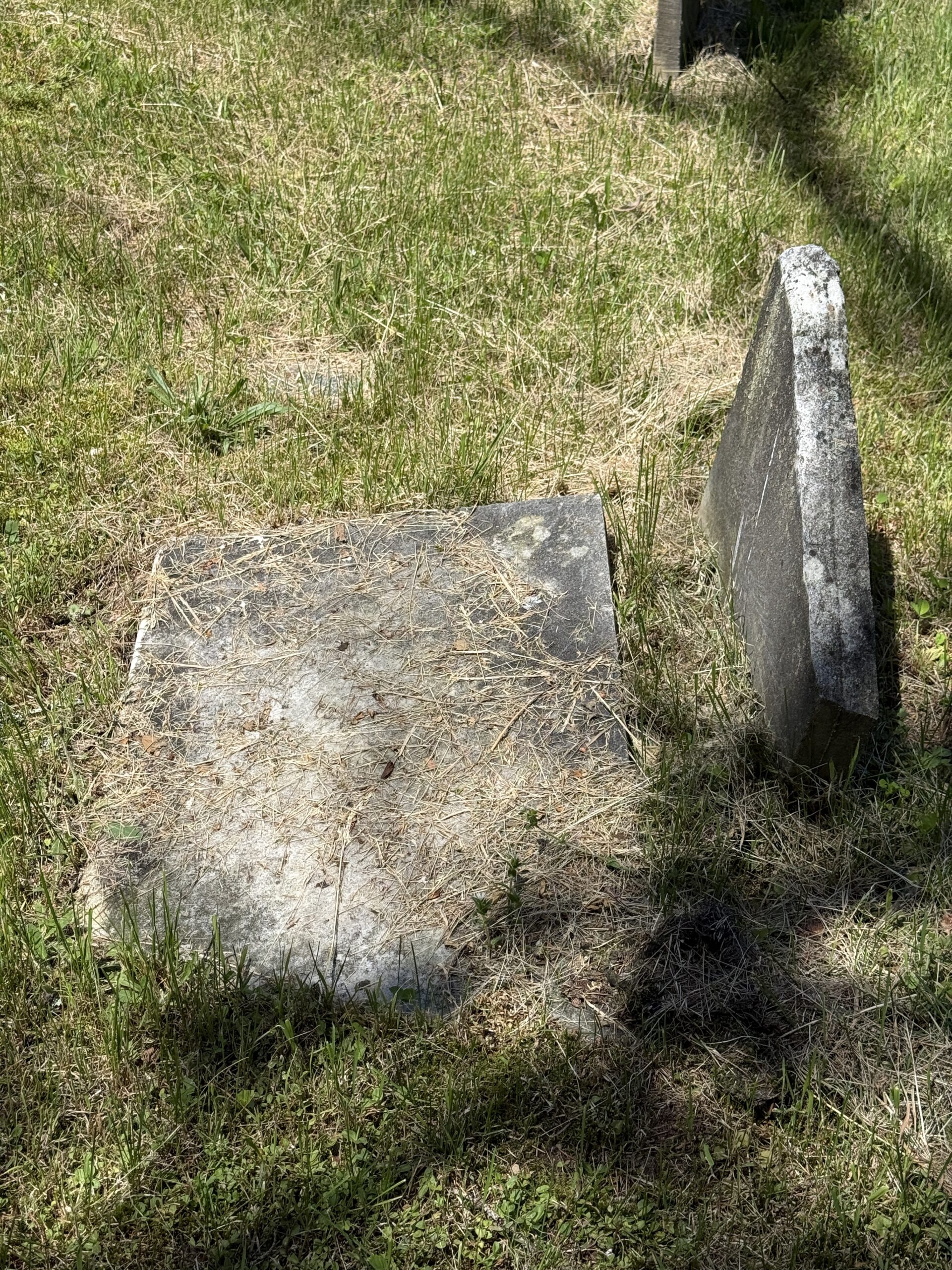
This service helps identify leaning, sunken, broken, fallen, tilted, cracked, displaced, overgrown, hard-to-maintain, or preservation-sensitive memorials across a single grave, family plot, cemetery section, burial ground, or larger cemetery property.
We are not a GIS company, engineering firm, legal inspection service, or safety certification provider. Our role is straightforward and valuable: organized cemetery walkthroughs, visible condition observations, optional photo documentation, and preservation-focused reporting that helps families and decision-makers understand what needs attention.
Helpful Resources: Out-of-Town Family Cemetery Care | Family Memorial Documentation | Cemetery Guide
What a Cemetery Condition Report Is
A cemetery condition report is a practical walkthrough and documentation service that helps identify visible memorial concerns throughout a cemetery, section, burial ground, family plot, or selected priority area.
The goal is not to create complicated mapping software or technical engineering reports. The goal is to give families and cemetery decision-makers a clear first step: which memorials appear to need attention, where the visible concerns are located, and what type of preservation or maintenance issue is present.
Reports can be simple or detailed depending on the cemetery’s size, budget, condition, and goals. Some families may need a single grave or family plot documented. Some cemeteries may need a basic walkthrough summary. Others may need section-by-section documentation, issue categories, photos, and prioritized next-step recommendations.
Common Cemetery Conditions We Document
Many cemetery conditions develop gradually through seasonal freeze-thaw movement, ground settling, mower contact, root growth, moisture retention, storm damage, biological growth, and long-term weather exposure. Organized documentation helps families, cemetery boards, and caretakers see the full picture before problems become harder to manage.
Cemetery Condition Reports for Families
Families can request a cemetery condition report for a single grave, family plot, veteran memorial, ancestor grave, bronze marker, flat marker, upright headstone, or cemetery section when they need clear documentation before deciding what kind of cemetery care may be appropriate.
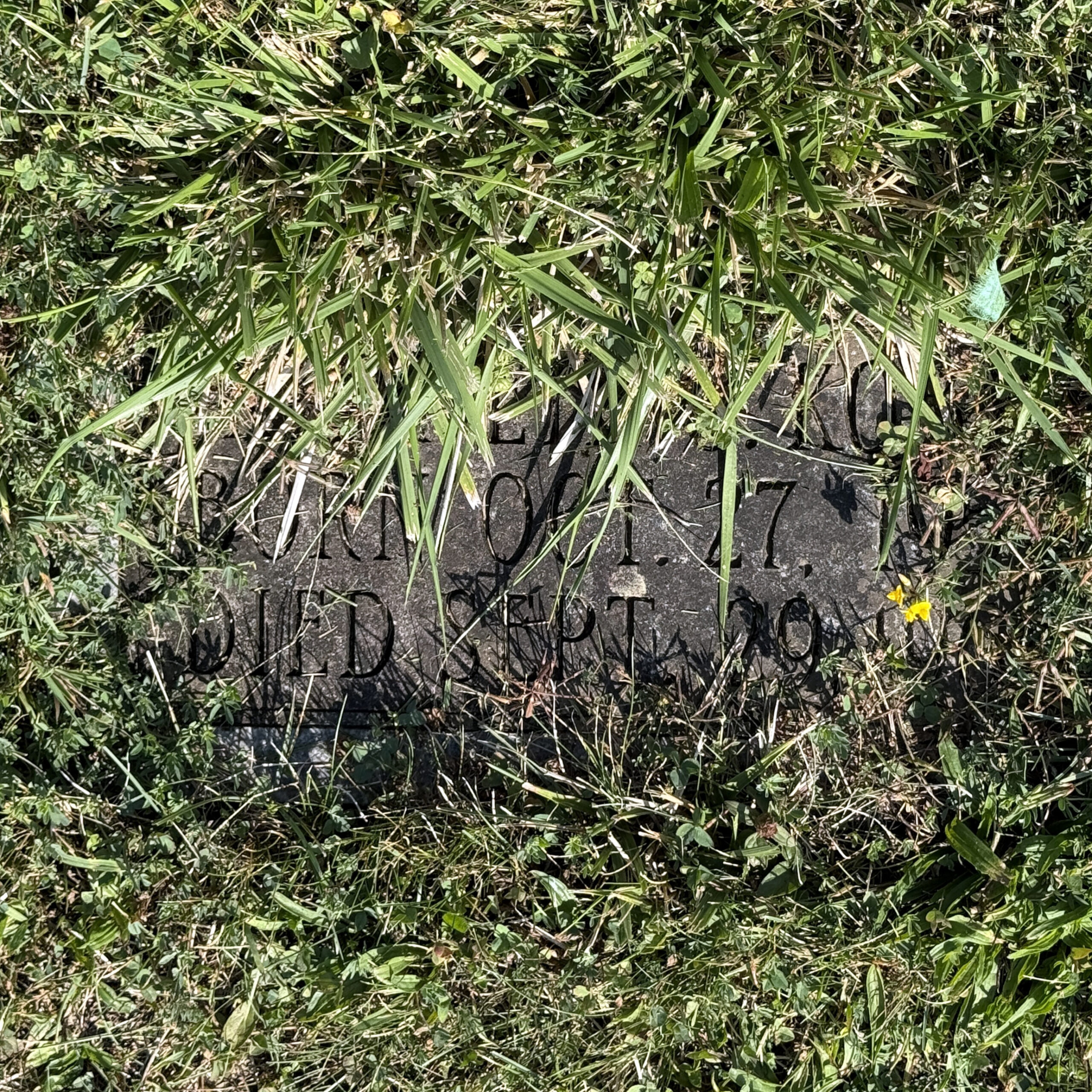
This is especially helpful for out-of-town families who cannot visit regularly but want to understand whether a memorial is leaning, sinking, stained, broken, overgrown, difficult to read, or in need of cleaning, leveling, repair, family memorial documentation, or recurring care.
Helpful starting points: Family Resources | Out-of-Town Family Cemetery Care | Family Memorial Documentation
Why Cemetery Condition Reports Are Valuable
Many cemeteries have hundreds or thousands of memorials, but limited organized documentation showing which markers are leaning, sinking, broken, fallen, difficult to maintain, or showing visible preservation concerns. A cemetery condition report helps turn scattered observations into a clearer preservation planning tool.
For cemetery boards, churches, municipalities, associations, and families, this documentation can support repair prioritization, maintenance planning, budgeting conversations, board discussions, grant preparation, volunteer coordination, family decision-making, and long-term preservation decisions.
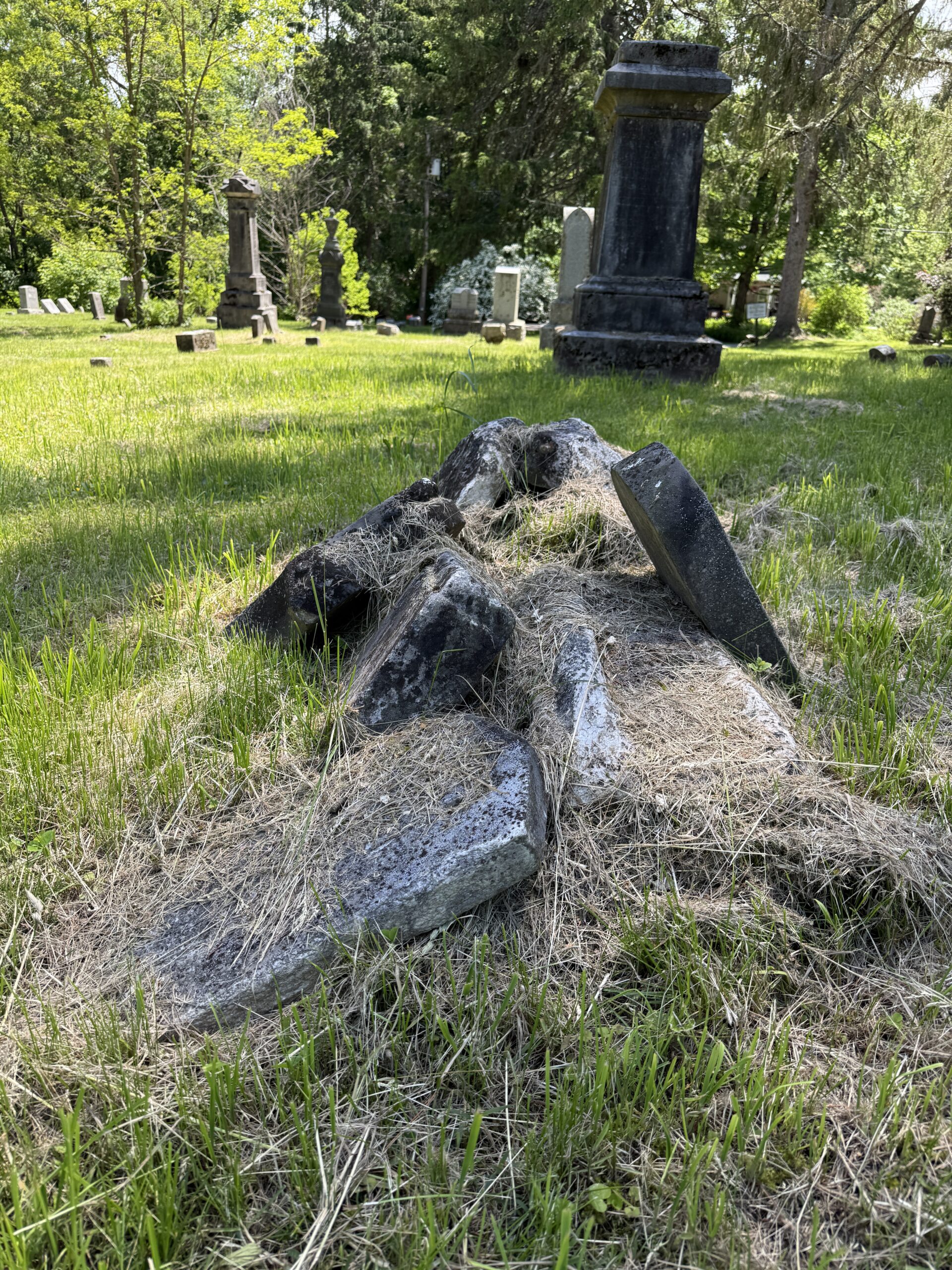
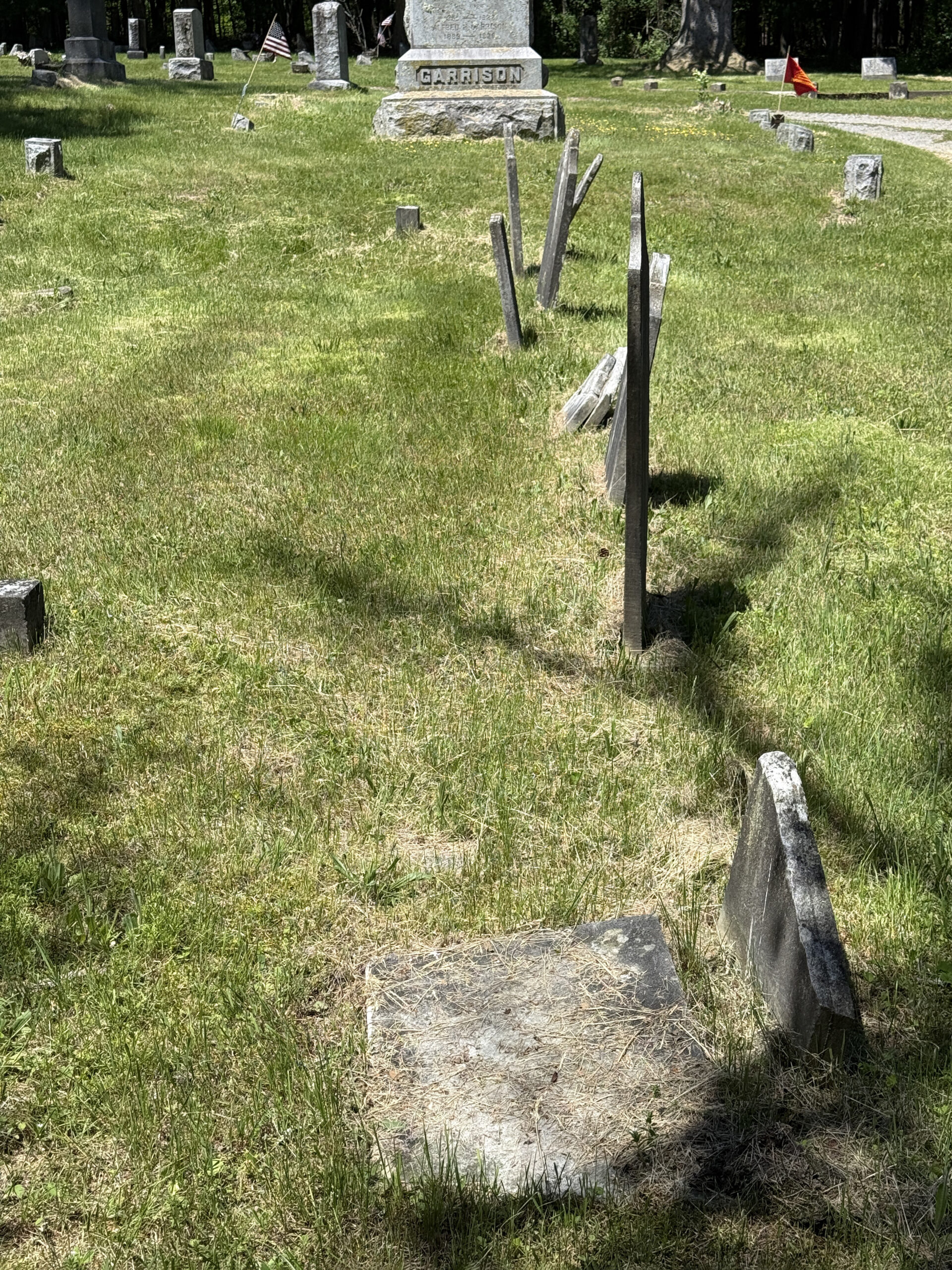
Large leaning memorials, displaced stone fragments, and low or broken markers may also create practical maintenance concerns over time. For example, fallen fragments can complicate mowing and trimming, and heavily leaning memorials may need attention before movement becomes more severe. A condition report provides a calm, organized first step for identifying these visible concerns.
Who This Service Is For
Cemetery condition reporting is intended for families and organizations responsible for cemetery oversight, preservation planning, maintenance decisions, or long-term memorial care.
- Out-of-town families concerned about a loved one’s grave
- Families responsible for parents, grandparents, spouses, veterans, ancestors, or family plots
- Genealogy researchers who need visible condition documentation
- Cemetery boards and cemetery associations
- Churches that manage cemeteries or burial grounds
- Municipal cemeteries and town-managed cemeteries
- Historic cemeteries and preservation groups
- Volunteer-run cemeteries with limited staff
- Cemetery committees preparing phased repair plans
- Organizations concerned about leaning, fallen, damaged, or maintenance-sensitive memorials
- Cemeteries that want recurring walkthroughs after winter thaw, storms, mowing damage, vandalism, or seasonal cleanup periods
What Reports Can Include
Reports are customized to the family’s or cemetery’s needs. Some families need visible condition documentation for one grave or family plot. Some organizations need a simple visible-condition summary. Others need more detailed documentation by cemetery section, issue category, and repair priority.
- Single-grave or family plot visible condition documentation
- Section-by-section cemetery walkthroughs
- Visible memorial condition observations
- Lists of leaning, sunken, tilted, fallen, cracked, broken, displaced, or overgrown memorials
- Photo documentation when requested
- Basic issue categories by condition type
- Priority notes for memorials that may need earlier attention
- Suggested preservation-focused next steps
- Repair, leveling, cleaning, stabilization, or maintenance recommendations where appropriate
- Recurring annual, seasonal, quarterly, or storm-response walkthrough options
Important: Cemetery condition reports are observational and preservation-focused. They are not engineering evaluations, legal inspections, hazard certifications, structural guarantees, or GIS mapping services.
Recurring Cemetery Walkthroughs
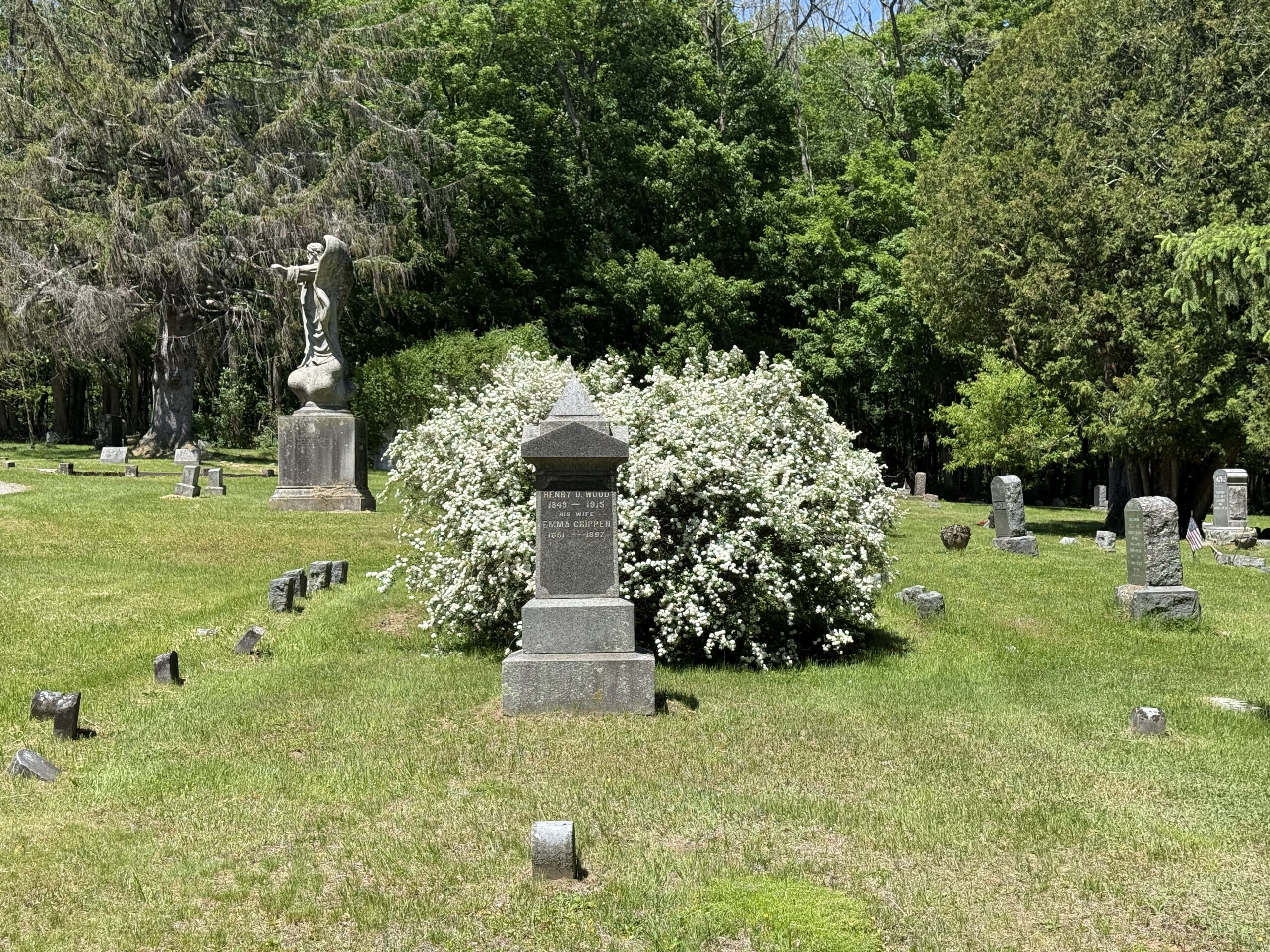
Cemetery condition reporting can be completed as a one-time project or as part of recurring cemetery monitoring. Recurring walkthroughs are especially valuable in the Northeast, where winter freeze-thaw cycles, spring ground movement, storms, tree damage, mowing activity, and seasonal maintenance can change cemetery conditions over time.
- Annual spring walkthroughs after winter freeze-thaw movement
- Storm-response walkthroughs after wind, tree damage, flooding, or heavy rainfall
- Quarterly or semi-annual reports for larger cemetery properties
- Monthly visual checks for active cemeteries with frequent mowing or maintenance activity
- Section-by-section preservation planning for large, historic, or volunteer-managed cemeteries
Recurring documentation helps cemetery leaders compare conditions over time instead of relying only on memory, scattered notes, or occasional complaints.
Connected Preservation Services
After visible cemetery condition concerns are documented, Gravestone Revival may also be able to assist with preservation-focused cemetery work depending on cemetery rules, memorial condition, project scope, and scheduling.
- Gravestone Leveling & Reset
- Gravestone Cleaning
- Headstone Repair & Stabilization
- Headstone Letter Repainting
- Family Memorial Documentation
Documentation does not obligate a family, cemetery, church, municipality, or association to hire Gravestone Revival for repair work. The report itself is valuable as an organized preservation planning tool. If repair, leveling, cleaning, or stabilization is requested later, the condition report can help guide priorities and scope.
Service Area
Gravestone Revival provides cemetery condition reports and preservation-focused cemetery services throughout Saratoga County, Montgomery County, and Fulton County, New York. Requests from nearby cemeteries may also be considered depending on project size, scope, and scheduling.
County service pages: Saratoga County Cemetery Care | Montgomery County Cemetery Care | Fulton County Cemetery Care
Cemetery guides: Main Cemetery Guide | Saratoga County Cemetery Guide | Montgomery County Cemetery Guide | Fulton County Cemetery Guide
Explore: Service Areas | Cemetery Guide | Documented Cemetery Projects
Request a Cemetery Condition Report
If your family, cemetery, church, municipality, cemetery association, or preservation group needs a practical condition report, please share the cemetery name, town, approximate size, memorial name or family surname if known, and whether you need a simple summary or a more detailed photo-based report.
Reports can be customized by cemetery size, family plot needs, section priority, documentation level, photo needs, recurring schedule, and budget.