How to Find, Document & Preserve an Ancestor’s Grave
A Family History Guide for Finding, Photographing & Caring for a Family Memorial
Finding an ancestor’s burial place can be one of the most meaningful moments in genealogy research. Many people begin family history research wondering how to find an ancestor’s grave and what steps to take after discovering a cemetery location, burial record, obituary, or family plot reference.
This guide explains how to find, photograph, document, and preserve an ancestor’s grave, especially when the cemetery is far from home. It is written for out-of-town families, genealogy researchers, family historians, and descendants with loved ones buried in Saratoga County, Montgomery County, and Fulton County, New York.
Quick Answer: How Do You Find an Ancestor’s Grave?
To find an ancestor’s grave, start with the cemetery name, town, full name, family surname, death year, obituary, burial record, Find a Grave listing, Ancestry record, FamilySearch record, church record, or family note. Then verify the cemetery location, look for section or lot information, search for nearby family members, and document the actual memorial with clear photographs and condition notes.
- Confirm the cemetery name and town.
- Gather the ancestor’s full name, dates, and family surname.
- Look for section, lot, row, or plot details.
- Check whether nearby family members may be buried in the same plot.
- Photograph the cemetery, section, full memorial, inscription, and surrounding markers.
- Document visible condition concerns such as biological growth, sinking, leaning, breakage, or unreadable lettering.
- Decide whether cleaning, leveling, repair, stabilization, or ongoing care may be appropriate.
If you live far away, Gravestone Revival can help through our Family Memorial Documentation Service.
Why Cemetery Documentation Matters in Genealogy Research
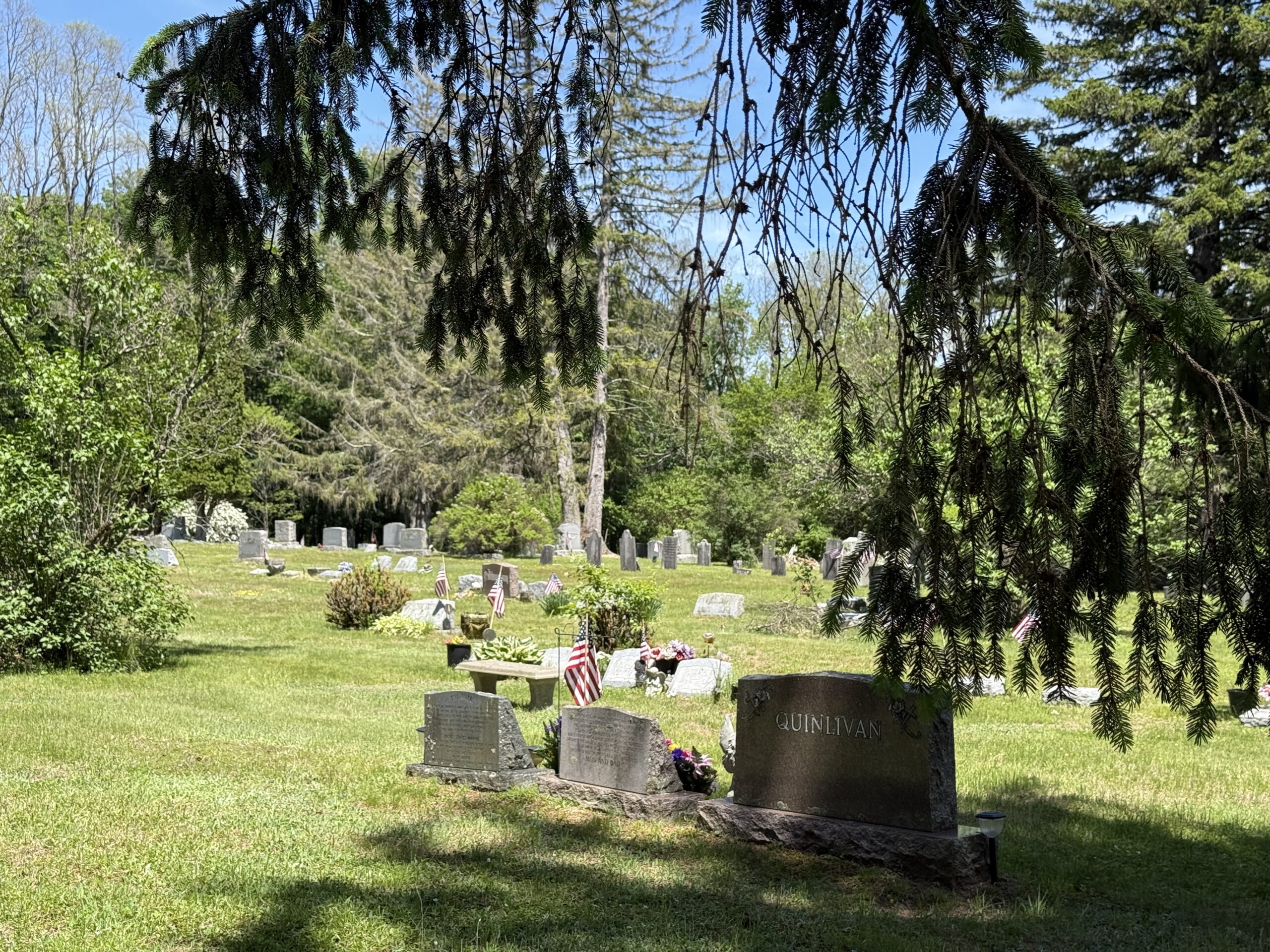
Genealogy research often begins with names, dates, records, and family connections. Cemetery documentation adds something different: visual proof, place, condition, and emotional connection.
A burial record may tell you where someone was buried, but it does not always show whether the memorial still exists, whether the inscription is readable, whether a spouse or child is buried nearby, whether the marker has sunk, or whether the stone needs preservation care.
For out-of-town families, current cemetery photographs and condition notes can turn a line in a family tree into a documented family memorial.
Step 1: Gather Every Cemetery Clue You Already Have
Before visiting a cemetery or requesting help, gather as much information as possible. Even small details can make a major difference when trying to locate a memorial.
- Full name of the person buried there
- Maiden name, alternate spelling, or family surname variations
- Birth and death years
- Spouse, parents, children, or siblings
- Cemetery name
- Town, county, or nearby community
- Obituary or funeral notice
- Church record, cemetery record, or burial permit reference
- Find a Grave, Ancestry, FamilySearch, or family tree link
- Section, lot, row, plot, or grave number if available
The strongest requests include both the cemetery name and at least one identifying detail such as full name, death year, spouse name, or family surname.
Step 2: Confirm the Cemetery Name and Location
Cemetery names can be confusing. Some cemeteries have changed names, share similar names, or are located near town borders. A burial record may use an older name, a church name, a neighborhood name, or a cemetery association name.
Before assuming the exact location, compare the cemetery name against local cemetery guides, town records, maps, church records, and family notes.
Gravestone Revival maintains a growing Cemetery Guide for Saratoga County, Montgomery County, and Fulton County to help families and researchers identify local cemetery locations.
Helpful cemetery guide links: Saratoga County Cemetery Guide | Montgomery County Cemetery Guide | Fulton County Cemetery Guide
Step 3: Search the Cemetery Carefully
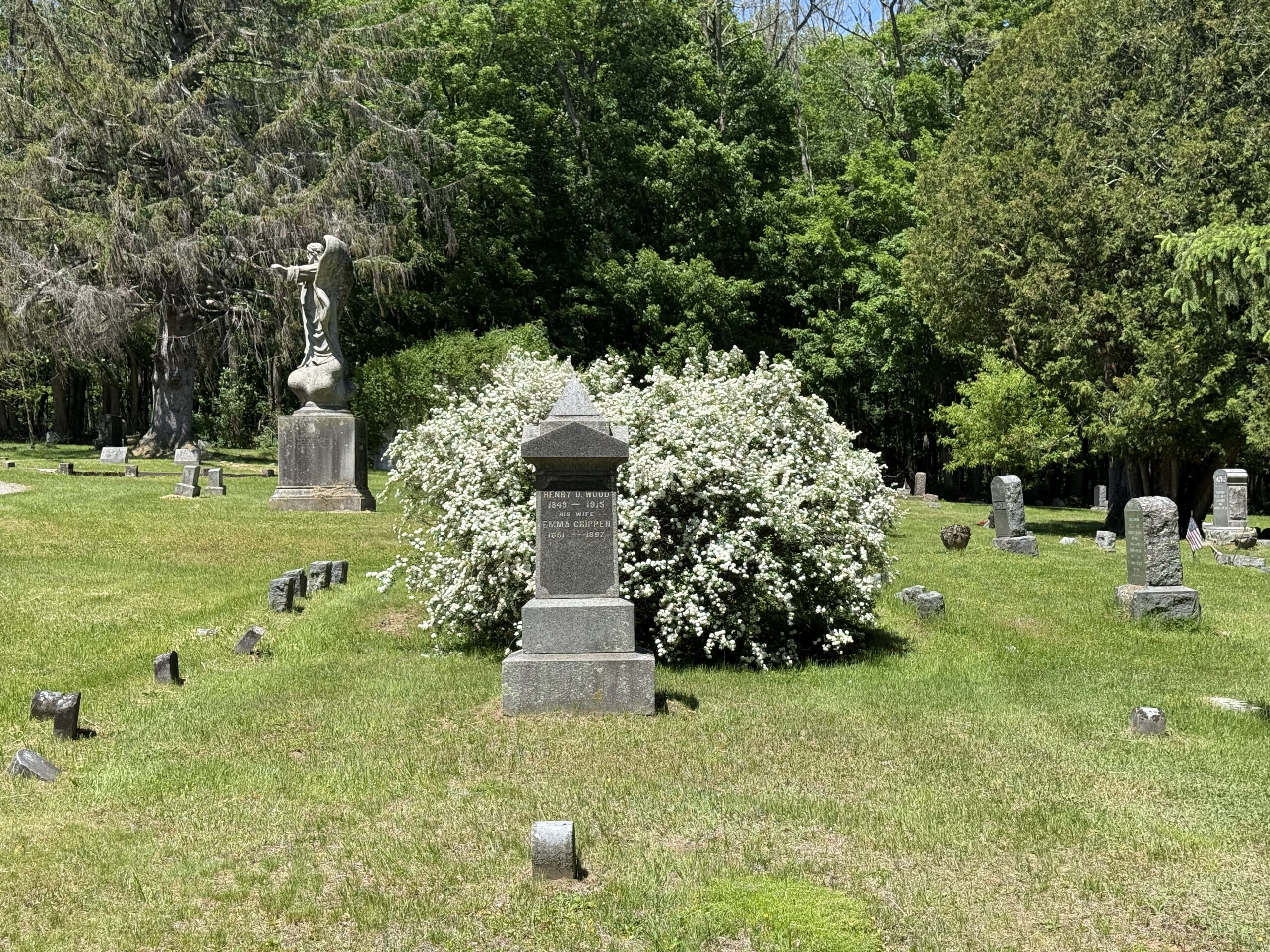
If you are visiting in person, walk the cemetery slowly and methodically. Older stones may be hard to read, partially buried, sunken, tilted, weathered, or hidden by grass and vegetation.
- Begin near cemetery signs, roads, and older sections.
- Look for matching surnames, spouse names, and family clusters.
- Check both upright stones and flat markers.
- Look for small footstones, veteran markers, and partially buried markers.
- Photograph nearby stones with the same surname.
- Record the route or section where the memorial was found.
Some cemeteries are easy to search. Others may contain thousands of memorials, unclear section boundaries, or no visible map. When the cemetery is large or the family plot is uncertain, local documentation help can save significant time.
Step 4: Photograph More Than Just the Headstone
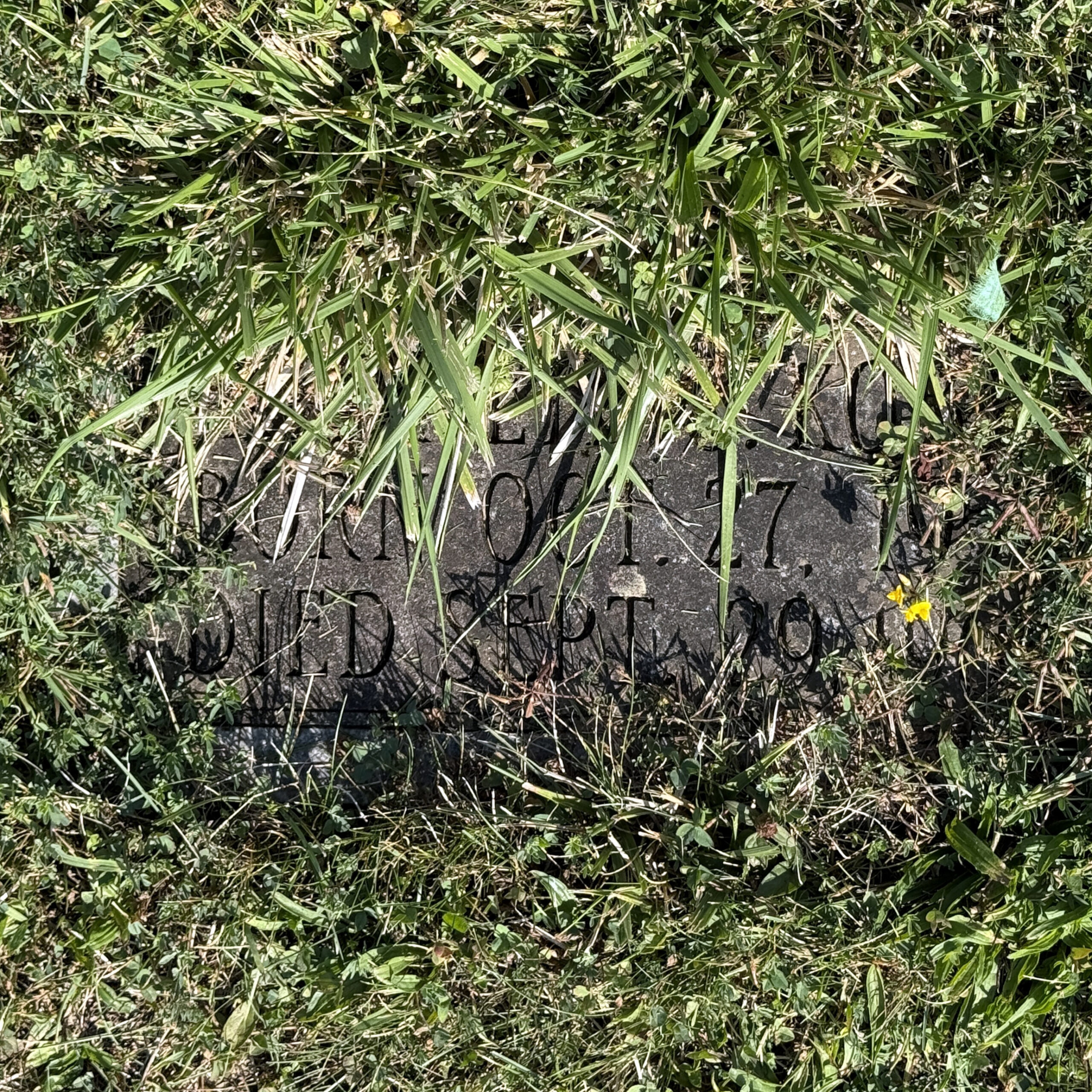
Good cemetery documentation includes more than one close-up photograph. Families and researchers benefit from seeing the cemetery context, nearby stones, family plot layout, inscription details, and visible condition of the memorial.
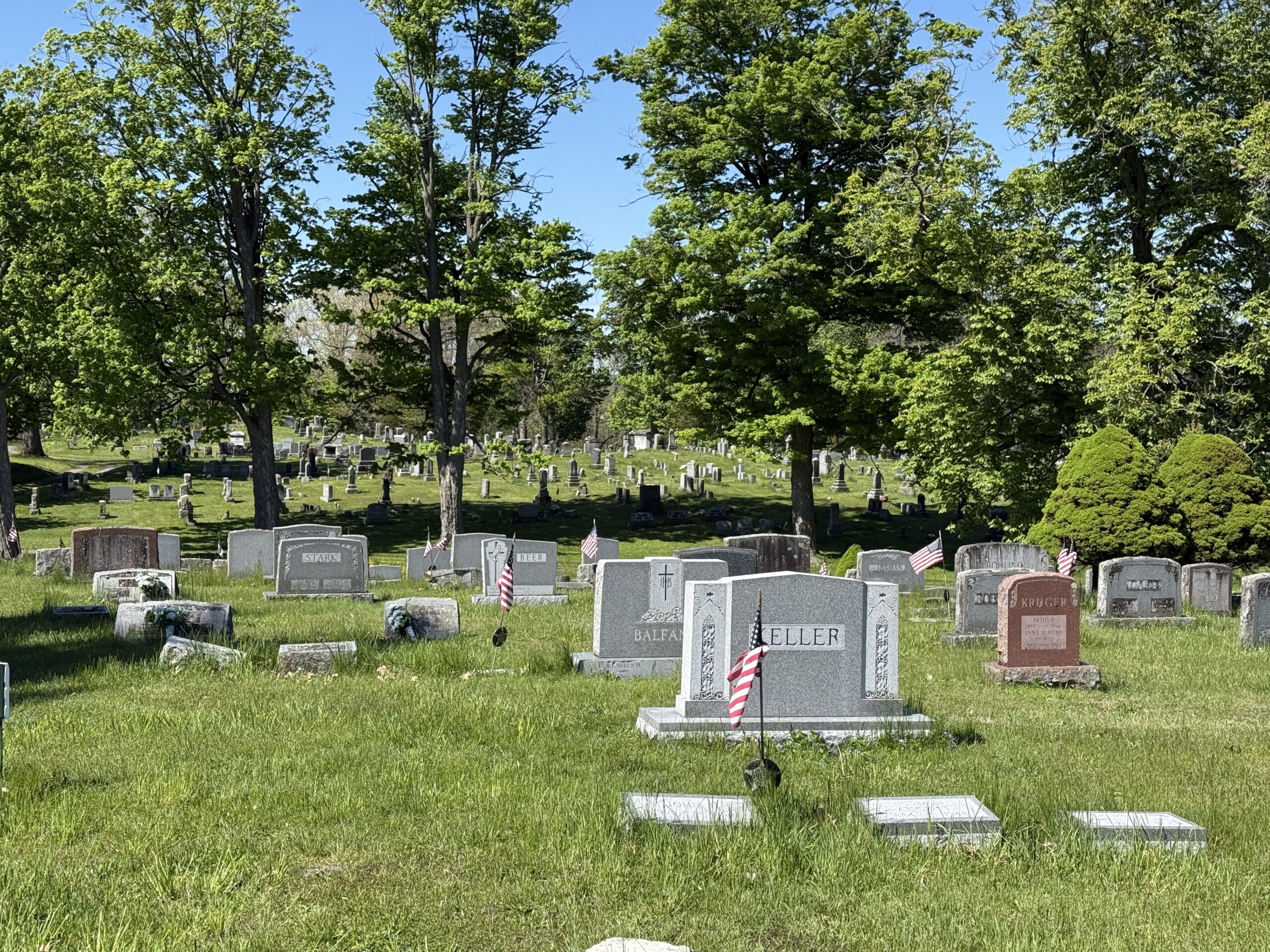
- Wide cemetery view
- Roadway, section, or landscape context
- Full memorial photo
- Close-up inscription photo
- Left, right, and rear views if condition matters
- Nearby family markers
- Footstones, veteran markers, or plot corner details
- Visible damage, biological growth, sinking, leaning, or unreadable areas
These photos help the family understand not only where the grave is, but what condition the memorial is in today.
Step 5: Document the Condition of the Memorial
Condition documentation helps families decide what should happen next. A stone may simply need to be photographed and recorded, or it may need cleaning, leveling, repair, stabilization, or ongoing care.
- Is the inscription readable?
- Is biological growth present?
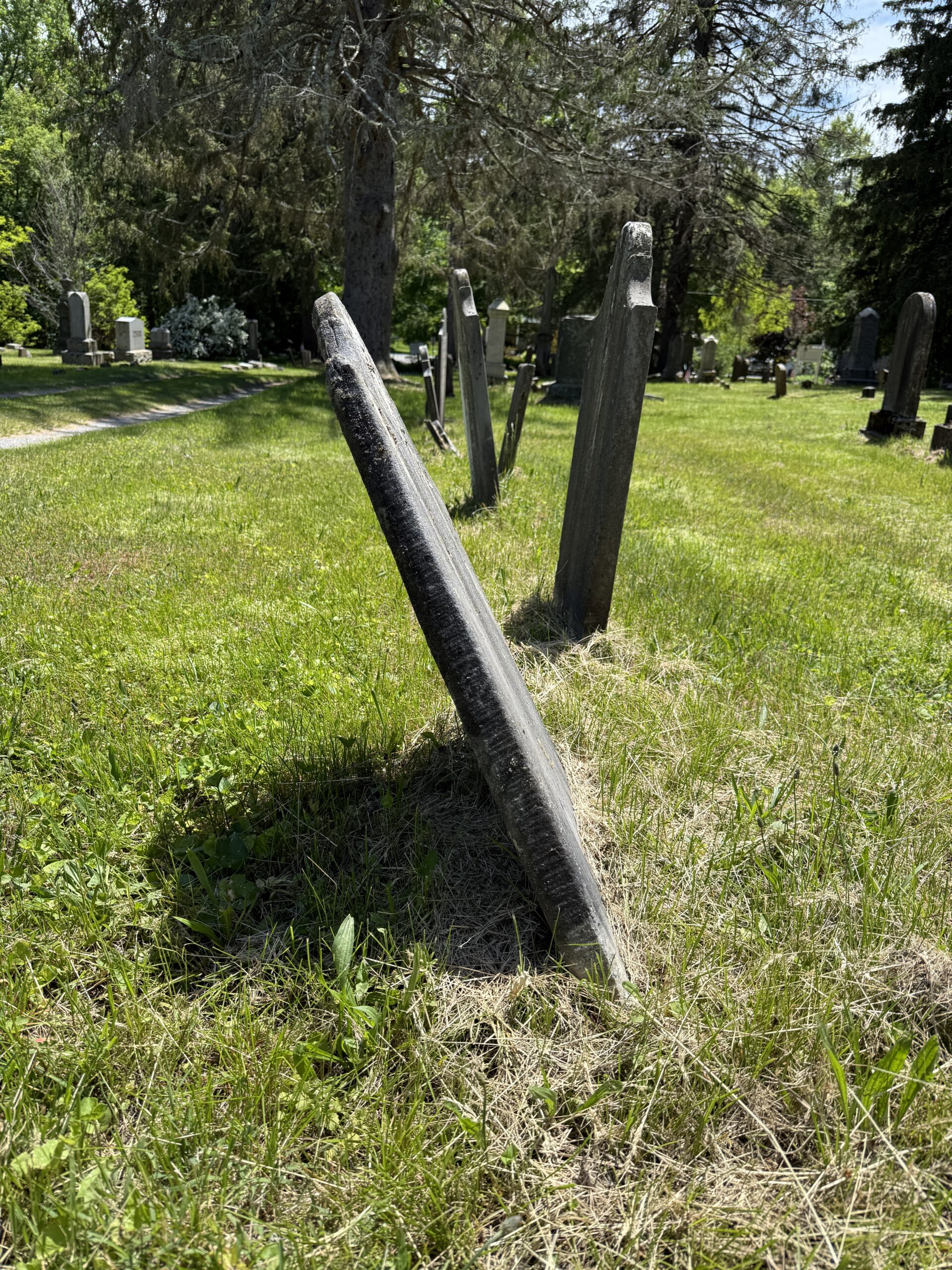
- Is the memorial leaning?
- Is the marker sunken or partially buried?
- Are cracks, broken fragments, or missing pieces visible?
- Is the base shifted, separated, or uneven?
- Are nearby family markers present?
- Does the surrounding plot appear overgrown or neglected?
Condition notes should be practical and honest. They do not need to be dramatic. The goal is to help the family understand what is visible and what options may be appropriate.
Step 6: Understand What Preservation May Involve
Preserving an ancestor’s grave may involve simple documentation, careful cleaning, leveling a sunken marker, stabilizing a damaged memorial, or monitoring a family plot over time. The right next step depends on the material, age, cemetery rules, condition, and family goals.
Common preservation services include gravestone cleaning, gravestone leveling and reset, and headstone repair and stabilization.
Any preservation work should begin with documentation and a careful review of the stone’s condition. Avoid pressure washing, harsh chemicals, wire brushes, household cleaners, and aggressive methods that can damage older stone surfaces.
How to Find an Ancestor’s Grave When You Live Out of State
Trying to find an ancestor’s grave from another state can be difficult. Online records may identify a cemetery, but they rarely show the current condition of the memorial, whether the inscription is readable, whether nearby family markers are present, or whether the stone needs preservation care.
For out-of-town families, a local cemetery documentation service can help bridge the gap between online research and the actual cemetery. Gravestone Revival provides Family Memorial Documentation for out-of-town families, genealogy researchers, veterans’ descendants, and family historians with ancestors buried in Saratoga County, Montgomery County, and Fulton County.
- We review the cemetery and family details you provide.
- We attempt to locate the memorial.
- We photograph the grave, inscription, and surrounding area.
- We document visible condition concerns.
- We provide next-step guidance if cleaning, leveling, repair, or care may be appropriate.
Common Challenges When Trying to Find an Ancestor’s Grave
Even when you know the cemetery name, finding the exact grave can still be difficult. Older cemeteries may have missing maps, unclear sections, changed cemetery names, weathered inscriptions, sunken markers, or family plots that are not clearly labeled.
- Cemetery names may have changed over time.
- Church cemeteries may be listed under parish names instead of cemetery names.
- Online records may have incomplete or outdated location details.
- Large cemeteries may have thousands of stones and limited public mapping.
- Older stones may be unreadable, partially buried, or hidden by vegetation.
- Family surnames may be misspelled, changed, or recorded differently across documents.
- Nearby relatives may be buried in the same plot without appearing in the same online record.
These challenges are one reason current field documentation can be so valuable for family historians and out-of-town relatives.
What Gravestone Revival Can and Cannot Do
It is important to set clear expectations. Gravestone Revival provides cemetery field documentation and preservation-focused cemetery care. We do not replace professional genealogists, cemetery offices, municipal records departments, church archives, or historical societies.
We Can Help With
- Local cemetery visits
- Memorial location attempts
- Grave and inscription photography
- Family plot documentation
- Visible condition notes
- Cleaning, leveling, repair, and stabilization estimates
We Do Not Replace
- Professional genealogical research
- Legal records searches
- Cemetery office records
- Municipal vital records
- Church archive research
- Historical society research
Ancestor Grave Documentation FAQs
How do I find an ancestor’s grave if I only have a name?
A name alone may not be enough, but it is a starting point. Cemetery name, town, death year, spouse name, family surname, obituary, burial record, or section information can greatly improve the chance of locating the correct memorial.
Can someone photograph my ancestor’s grave if I live out of state?
Yes. If the cemetery is located in Saratoga County, Montgomery County, or Fulton County, Gravestone Revival can review the details and may be able to locate, photograph, and document the family memorial.
What information do I need before requesting help?
The most helpful information includes the cemetery name, town, full name of the person buried there, family surname, death year, section or lot details if known, and any burial record, obituary, Find a Grave link, Ancestry record, or family note.
Can you clean the grave after locating it?
Yes, when appropriate. If the memorial appears dirty, stained, biologically covered, sunken, leaning, broken, or unstable, Gravestone Revival can provide a separate estimate for cleaning, leveling, repair, or stabilization.
Is this a genealogy research service?
No. This is a cemetery documentation and preservation service. Gravestone Revival helps document graves and family memorials when a likely cemetery, burial lead, or location clue already exists.
Need Help Finding or Documenting a Family Memorial?
If you need help finding an ancestor’s grave in Saratoga County, Montgomery County, or Fulton County, Gravestone Revival may be able to assist through our Family Memorial Documentation Service.
Send the cemetery name, town, ancestor’s name, family surname, approximate dates, and any cemetery record or location details you have. Gravestone Revival can review the request and explain the next step.