
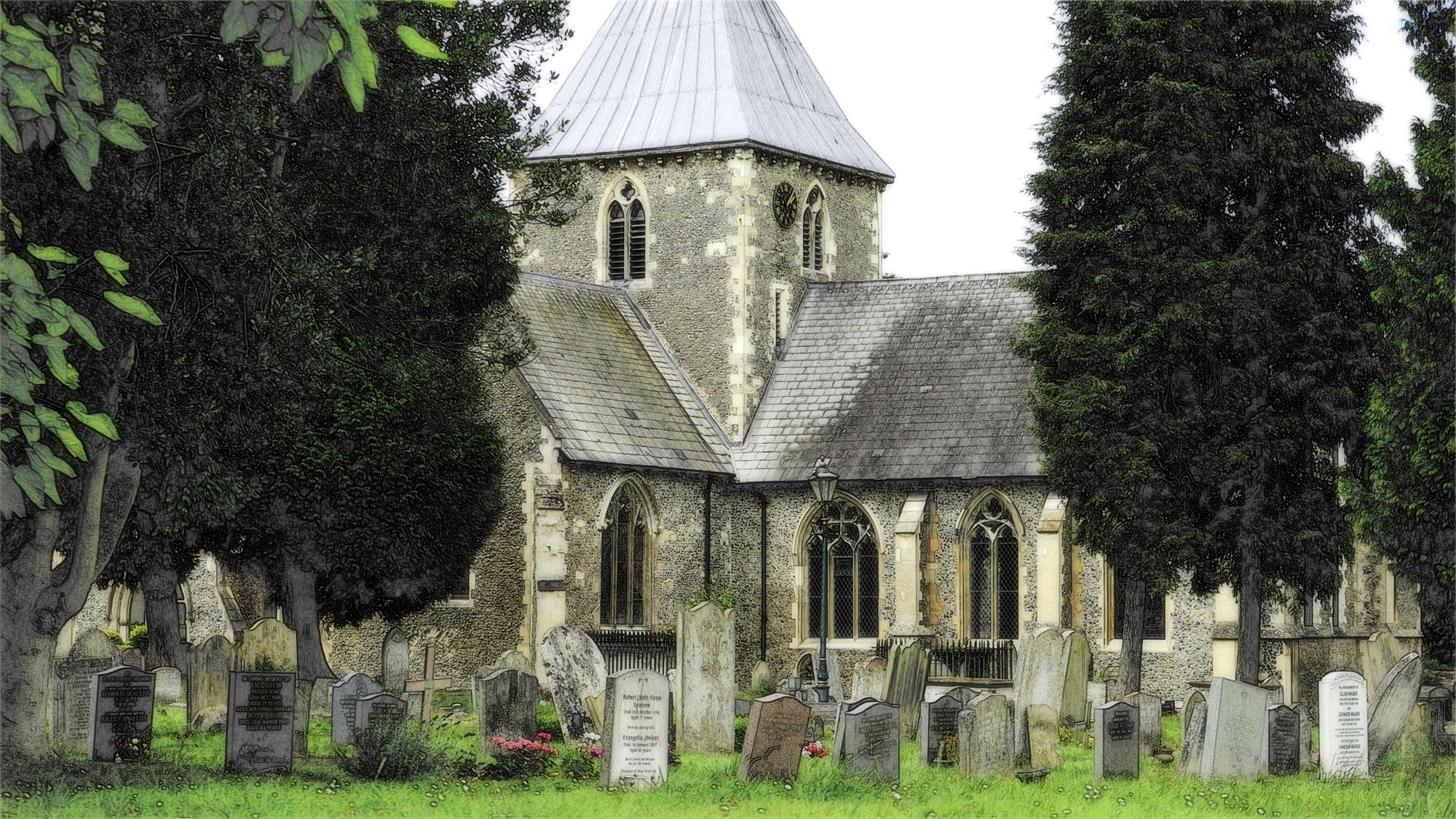
Cemetery vs. Graveyard: What’s the Difference?
People often use “cemetery” and “graveyard” as if they mean the same thing—and in modern conversation, they can overlap. But historically, the words developed different associations. Knowing the difference helps families understand who sets the rules, what to expect for visiting hours, and how to plan respectful decoration and memorial upkeep.
Bottom line: A graveyard is traditionally a burial ground tied to a church (often called a churchyard). A cemetery is generally a dedicated burial ground that is not specifically tied to a church and is often managed by a municipality, nonprofit, or private organization.
Primary service area: Saratoga County. Limited availability in Fulton & Montgomery Counties by request.
Before & After Photo Documentation and a Written Gravesite Condition Report are always provided.
The Simple Answer
- Graveyard: traditionally a burial ground connected to a church or place of worship (a “churchyard”).
- Cemetery: generally a dedicated burial ground that is not church-run and is often larger, with formal management and established policies.
- Modern usage: many people use the terms interchangeably—so the best way to confirm is to check who manages the property (church, town, nonprofit, or private cemetery association).
Key Differences That Matter for Families
When you’re visiting, decorating, or arranging memorial care, these differences tend to show up in practical ways:
- Ownership & decision-making: Graveyards may follow church policies; cemeteries may follow municipal, nonprofit, or private board policies.
- Rules & restrictions: Both can have rules—but the specifics vary widely (containers, seasonal cleanups, mowing schedules, decoration limits).
- Scale & layout: Graveyards are often smaller and older; cemeteries are often larger and may include sections, roads, and newer planning.
- Memorial options: In some locations, cemeteries may allow a wider range of memorial types—while churchyards may be more uniform. (Always confirm locally.)
- Maintenance expectations: Regardless of the name, upkeep standards depend on the organization responsible for the property—and what’s expected of families.
If you’re not sure what’s permitted, start with respectful basics and avoid anything that creates a trip hazard or interferes with mowing. For decoration guidance, see Gravesite Decoration & Memorial Traditions.
A Quick History (Why the Terms Diverged)
Historically, many burials took place on or near church grounds—hence graveyard and churchyard. As communities grew, burial space often moved to larger, dedicated grounds—what we now commonly call cemeteries. Many “cemeteries” were planned as park-like landscapes with walking paths and organized sections.
Today, you’ll still see older churchyards referred to as graveyards—while newer, larger burial grounds are usually called cemeteries. But local naming isn’t always consistent, so management and posted rules matter more than the label.
Visiting, Etiquette, and Decoration Rules
Whether you’re visiting a cemetery or a graveyard, respectful etiquette is similar—but the rules can vary:
- Visiting hours: some grounds have posted hours; others are daylight-only; some close gates seasonally.
- Seasonal cleanups: many places remove decorations during spring/fall maintenance windows.
- Containers & materials: glass is often restricted; lightweight items can become debris in wind or storms.
- Mowing season realities: anything placed on the ground can be moved if it interferes with maintenance.
For a practical checklist of what to do (and what to avoid), see Cemetery Etiquette and What Not to Place at Gravesites.
What This Means for Memorial Maintenance
Families often assume “the cemetery takes care of everything,” but responsibility varies. Some places handle groundskeeping only; others may have specific requirements for memorial stability, resetting, or cleaning practices.
- Cleaning: preservation-first methods matter—harsh chemicals and power washing can permanently damage stone.
- Readability: gentle cleaning can improve legibility while respecting the material.
- Plot presentation: weeds, debris, edging, and trimming can make a memorial look neglected even when the stone is structurally fine.
If you want a memorial to look cared for year-round—especially if you live out of town—our services are designed around documentation and respectful presentation.
FAQ: Cemetery vs. Graveyard
Is a graveyard always connected to a church?
Traditionally, yes—graveyard often refers to a churchyard. But modern naming varies, so confirm management and posted policies.
Do cemeteries and graveyards both have decoration rules?
Yes. Rules vary widely and are usually driven by mowing schedules, safety, and seasonal cleanups.
Which term should I use when calling for help?
Use the name the location uses publicly (signage, website, or caretaker). If unsure, say “burial ground” and share the address.
Can you help if I live out of town?
Yes—this is one of the most common reasons families hire us. We can complete service with documentation so you know the memorial is cared for.
Explore Related Knowledge Pages
Related Services That Support Memorial Care
- Gravestone Cleaning — preservation-first cleaning to improve readability and presentation.
- Gravesite & Plot Maintenance — weeding, trimming, edging, and debris removal for a cared-for look.
- Flower Delivery & Placement — meaningful dates and seasonal plans with documented completion.
- Message Delivery Service — letters, cards, prayers, poems, and small tokens delivered with dignity.
Before & After Photo Documentation and a Written Gravesite Condition Report are always provided.