Cemetery vs. Graveyard: What’s the Difference?
People often use cemetery and graveyard as if they mean the same thing. In modern conversation, they often overlap. Historically, though, the words developed different meanings.
A graveyard is traditionally a burial ground connected to a church or place of worship. A cemetery is generally a dedicated burial ground that is not necessarily connected to a church and may be managed by a town, cemetery association, nonprofit, religious organization, or private cemetery.
Understanding the difference can help families identify who manages the property, where to find cemetery rules, what types of memorials may be allowed, and how to request cemetery documentation or preservation-first memorial care.
Gravestone Revival proudly serves Saratoga County and also works with families throughout Fulton and Montgomery Counties.
Quick Answer: Cemetery vs. Graveyard
- Graveyard: traditionally a burial ground connected to a church, chapel, or place of worship.
- Cemetery: generally a dedicated burial ground that may be independent, municipal, nonprofit, religious, private, or association-managed.
- Modern usage: many people use both terms interchangeably, so the most important detail is who manages the property and what rules apply.
Why the Difference Matters for Families
The difference between a cemetery and a graveyard is not just vocabulary. It can affect who controls the rules, who maintains the property, what memorials are allowed, how records are kept, and what families should do before cleaning, decorating, documenting, or repairing a grave marker.
- Management: a church, town, cemetery association, private cemetery, nonprofit, or religious organization may be responsible.
- Rules: flowers, decorations, glass containers, artificial items, flags, pets, planting, and cleanup schedules vary by location.
- Records: older graveyards may have church records, while larger cemeteries may have cemetery office or association records.
- Maintenance: some locations maintain only the grounds, while families may remain responsible for monument condition or documentation.
- Memorial care: cleaning, leveling, resetting, repair, and documentation may require cemetery permission.
What Is a Graveyard?
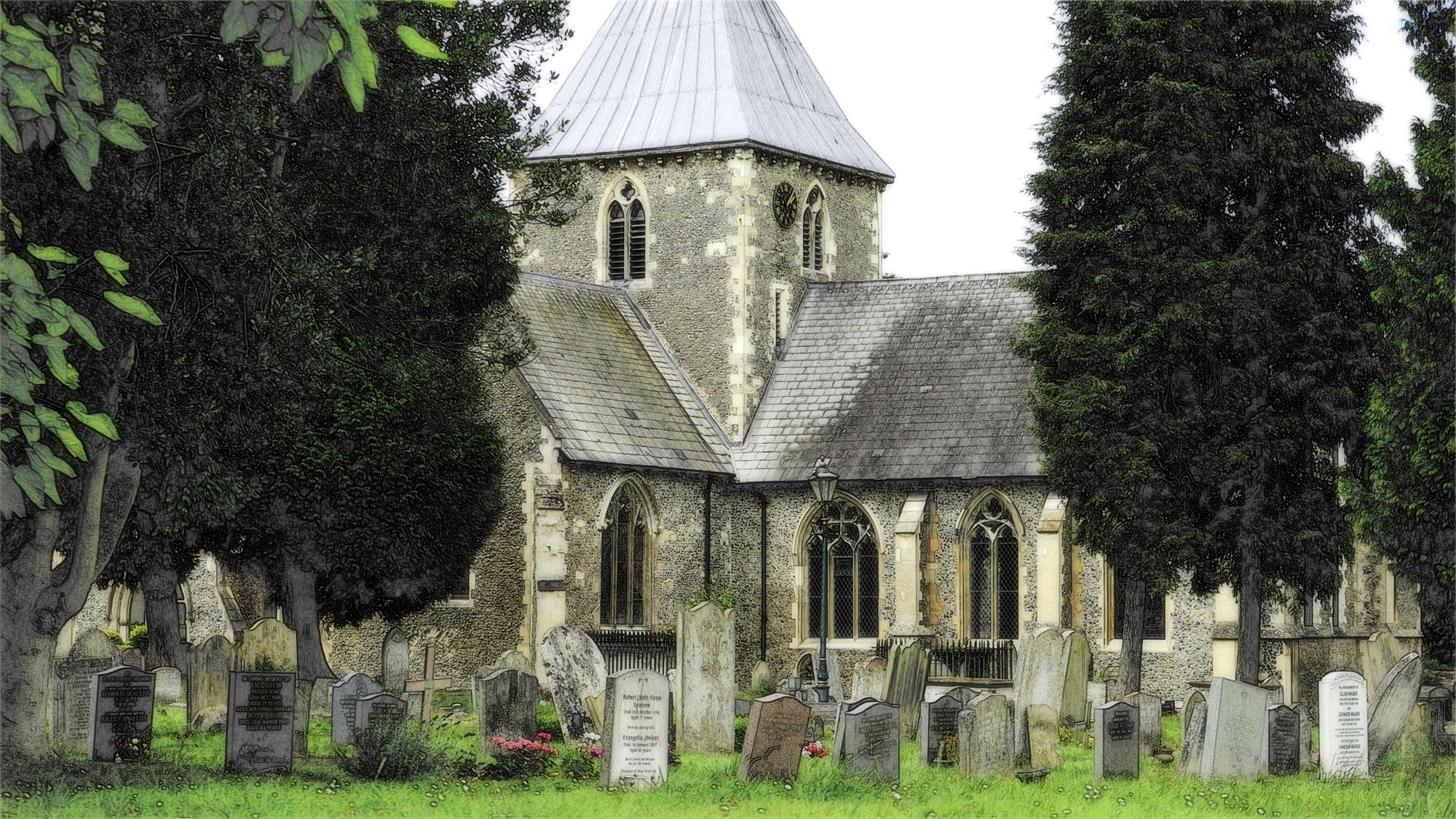
A graveyard traditionally refers to a burial ground located beside or near a church. Many older graveyards are small, historic, and connected to a specific religious community. You may also hear the word churchyard used for this type of burial ground.
Older graveyards often include historic headstones, family plots, veteran markers, weathered marble, slate, sandstone, limestone, and early cemetery symbolism. Because many of these memorials are old or fragile, cleaning and documentation should be handled carefully.
What Is a Cemetery?
A cemetery is generally a dedicated burial ground that may or may not be connected to a church. Cemeteries may be managed by towns, cemetery associations, religious organizations, nonprofit groups, private operators, or other local entities.
Cemeteries are often larger than traditional graveyards and may include roads, sections, maps, rules signs, veteran areas, mausoleums, family plots, flat markers, upright monuments, bronze plaques, and newer memorial sections.
Helpful resource: Cemetery Guide
Cemetery Rules Always Matter More Than the Name
Whether a property is called a cemetery, graveyard, burial ground, churchyard, memorial park, or family cemetery, the posted rules matter most. Every location may handle visiting hours, decorations, mowing, pets, seasonal cleanup, cleaning permissions, and memorial work differently.
- Check posted signs near the cemetery entrance.
- Contact the cemetery office, church, town, or cemetery association when rules are unclear.
- Do not assume flowers, flags, artificial decorations, or planting are allowed.
- Do not clean, move, reset, repair, or alter a memorial without permission.
- Document the gravesite before requesting care, repair, or cleaning.
Helpful guide: Cemetery Etiquette
What This Means for Memorial Care
Families often assume the cemetery or graveyard takes care of everything, but responsibilities vary. Groundskeeping does not always include gravestone cleaning, headstone repair, marker leveling, inscription documentation, or family plot reporting.
If a family memorial is dirty, leaning, sinking, cracked, hard to read, or showing visible condition concerns, the first step should be documentation and cemetery-safe evaluation.
Cemetery, Graveyard, Burial Ground, and Memorial Park
Families may also see other terms used for burial places. These words often overlap, but they can give clues about the history, management, or style of the property.
- Burial ground: a general term for a place where people are buried.
- Churchyard: a burial ground connected to a church or place of worship.
- Family burial ground: a smaller burial place associated with a family, farm, estate, or historic property.
- Memorial park: often a more modern cemetery design with landscaped grounds and standardized sections.
- Cemetery: a dedicated burial ground that may be church-affiliated, municipal, private, nonprofit, or association-managed.
- Graveyard: traditionally church-connected, though often used casually to mean any burial place.
Why Documentation Helps Out-of-Town Families
For families who live outside the area, the difference between a cemetery and graveyard is often less important than knowing the memorial’s current condition. A loved one’s marker may be difficult to locate, hard to read, covered with growth, leaning, sunken, cracked, or affected by cemetery maintenance rules.
Family memorial documentation can help by providing current cemetery photos, inscription details, plot context, visible condition notes, and documentation of nearby family markers.
Helpful resources: Family Memorial Documentation | Cemetery Condition Reports | Out-of-Town Cemetery Care
FAQ: Cemetery vs. Graveyard
Is a graveyard always connected to a church?
Traditionally, yes. A graveyard usually referred to a burial ground connected to a church or place of worship. In modern speech, people sometimes use graveyard and cemetery interchangeably.
Is a cemetery different from a graveyard?
Historically, yes. A cemetery is generally a dedicated burial ground that is not necessarily connected to a church. A graveyard is traditionally church-connected. Today, the terms often overlap.
Do cemeteries and graveyards both have rules?
Yes. Both can have rules for visiting hours, flowers, decorations, pets, cleaning, mowing, planting, memorial work, and seasonal cleanup. Rules vary by location.
Who maintains a cemetery or graveyard?
Maintenance may be handled by a church, town, cemetery association, private cemetery, nonprofit organization, caretaker, or grounds crew. Families may still be responsible for certain memorial concerns.
Can Gravestone Revival help document a family grave?
Yes. Gravestone Revival provides family memorial documentation, cemetery photography, inscription documentation, cemetery condition reports, and preservation-first cemetery care for families in Saratoga County, Fulton County, and Montgomery County.