How to Choose Flowers for a Gravesite
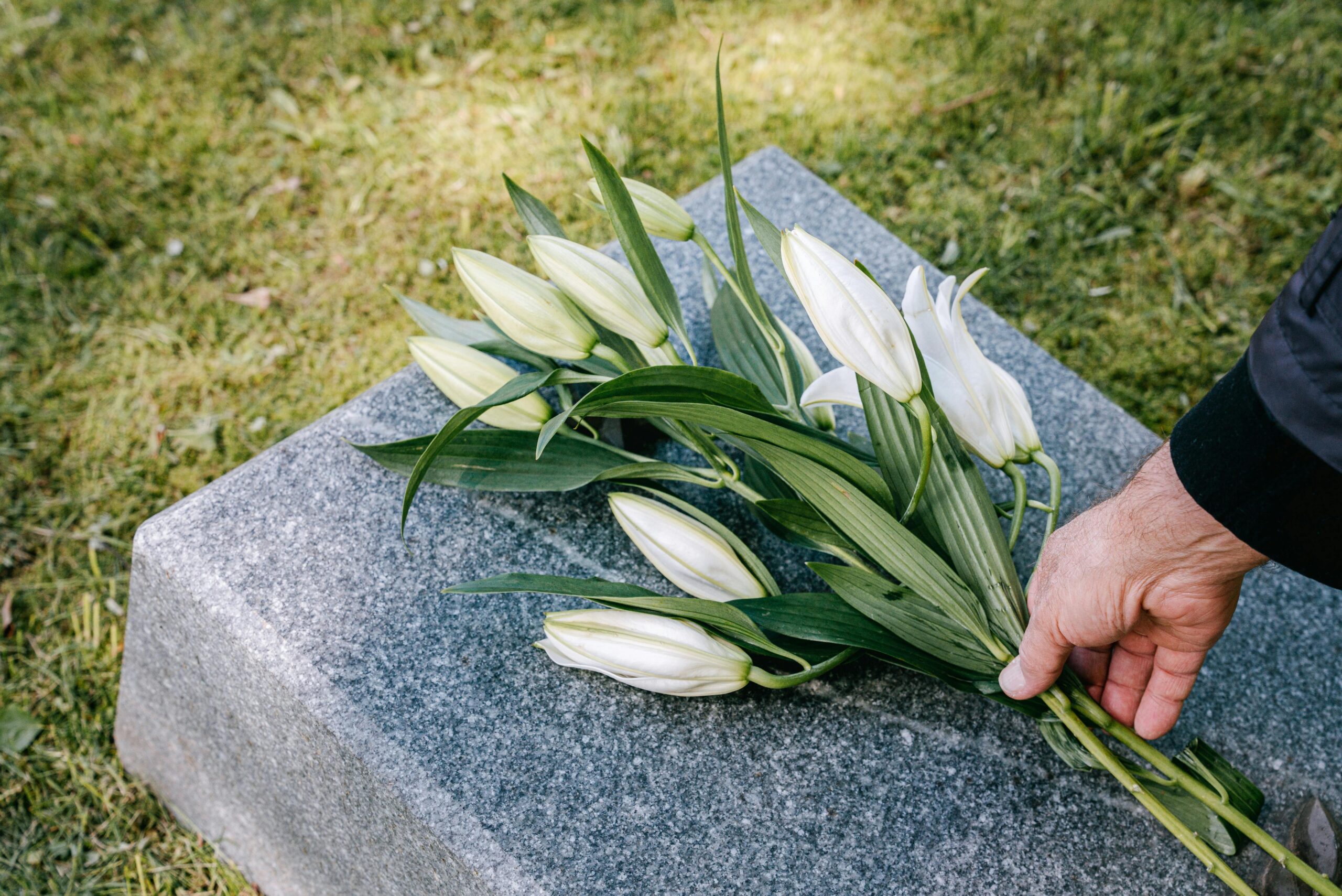
Choosing flowers for a gravesite is a personal way to honor a loved one, mark a meaningful date, continue a family tradition, or show that a memorial has not been forgotten.
The best gravesite flowers balance personal meaning, cemetery rules, season, weather, durability, flower symbolism, and the type of memorial. A simple, respectful arrangement that follows cemetery guidelines is usually better than something large, fragile, or difficult for cemetery staff to maintain around.
Gravestone Revival no longer offers flower delivery as a standalone service. This guide is provided as a family resource for cemetery etiquette, memorial traditions, out-of-town family planning, and respectful cemetery documentation.
Quick Answer: What Flowers Should You Choose for a Gravesite?
Choose gravesite flowers that are meaningful to the family, allowed by the cemetery, appropriate for the season, and stable enough for the weather. Common choices include roses for love, lilies for peace, carnations for remembrance, chrysanthemums for honor, poppies for veteran remembrance, and favorite flowers that were personally meaningful to the person buried there.
Before placing flowers, always check cemetery rules. Some cemeteries restrict glass vases, artificial flowers, potted plants, loose items, tall stakes, shepherd hooks, wreaths, or decorations during mowing and seasonal cleanup periods.
Start With Personal Meaning
The most meaningful gravesite flowers often begin with the person, not the flower dictionary. A favorite flower, favorite color, family garden memory, wedding flower, military tribute, or seasonal tradition may matter more than any traditional symbolism.
- A favorite flower or favorite color
- Flowers connected to a wedding, anniversary, birthday, or family tradition
- Seasonal flowers connected to a meaningful time of year
- Religious, cultural, or military symbolism
- Simple colors that feel calm, respectful, and personal
- Flowers that reflect the person’s personality or family memory
If the flower feels connected to the person, it is often the right choice.
Cemetery Rules Come First
Even meaningful flowers may be removed if they do not follow cemetery rules. Rules can vary by cemetery, section, season, marker type, and maintenance schedule.
- Glass containers: often restricted because they can break.
- Artificial flowers: may be allowed year-round, seasonally, or not at all.
- Potted plants: may be allowed temporarily but planting in the ground is often prohibited.
- Stakes and hooks: may be restricted because they interfere with mowing or create trip hazards.
- Large arrangements: may be removed if they block mowing, roads, walkways, or nearby plots.
- Seasonal cleanup: many cemeteries remove decorations during spring, fall, or winter cleanup periods.
Helpful guides: Cemetery Etiquette | What Not to Place at Gravesites
Common Gravesite Flowers and Their Meanings
Flower meanings can vary by culture, religion, family tradition, and personal memory. These are common associations families often use when choosing cemetery flowers.
- Roses: love, devotion, respect, and lasting affection.
- Lilies: peace, purity, sympathy, and spiritual remembrance.
- Carnations: enduring love, remembrance, and admiration.
- Chrysanthemums: honor, grief, devotion, and remembrance.
- Poppies: remembrance, sacrifice, and veteran memorial tradition.
- Forget-me-nots: memory and lasting connection.
- Daisies: innocence, gentleness, and childhood remembrance.
- Tulips: affection, renewal, and spring remembrance.
- Daffodils: hope, renewal, and new beginnings.
- Hydrangeas: heartfelt emotion, gratitude, and family remembrance.
- Iris: faith, hope, wisdom, and guiding memory.
- Gladiolus: strength, integrity, honor, and character.
Related guide: Cemetery Flowers and Their Meanings
Choose a Flower Color With Intention
Color often communicates the feeling of the tribute. Families may choose colors based on emotion, faith, season, veteran service, or a loved one’s favorite color.
- White: peace, purity, reverence, innocence, and prayer.
- Red: love, courage, sacrifice, and respect.
- Pink: affection, tenderness, gratitude, and grace.
- Yellow: friendship, warmth, light, and hopeful remembrance.
- Purple: dignity, devotion, honor, and spiritual reflection.
- Blue: calm, loyalty, sincerity, and quiet remembrance.
- Red, white, and blue: patriotic tribute, veteran remembrance, and Memorial Day tradition.
For a clean cemetery appearance, choose one main color and one accent color instead of mixing too many colors at once.
Fresh Flowers vs. Artificial Flowers
Fresh and artificial flowers can both be respectful. The best choice depends on cemetery rules, season, distance from the cemetery, weather, family preference, and how often someone can return to refresh or remove the arrangement.
Fresh Flowers
- Natural and traditional
- Best for recent visits, funerals, birthdays, anniversaries, and short-term remembrance
- May wilt quickly in heat, sun, wind, or freezing weather
- Often removed by cemeteries after they fade
Artificial Flowers
- Longer lasting when cemetery rules allow them
- Useful for families who live out of town
- Can fade, fray, blow away, or look worn over time
- May be restricted during mowing or cleanup periods
If using artificial flowers, choose modest, high-quality arrangements and remove or replace them when they become faded or damaged.
Choose Flowers Based on the Season
Seasonal flowers often look more natural in the cemetery setting and may hold up better during that time of year.
- Spring: tulips, daffodils, lilies, soft colors, and Easter flowers.
- Summer: roses, carnations, durable mixed flowers, and brighter arrangements.
- Fall: chrysanthemums, warm colors, harvest tones, and autumn memorial arrangements.
- Winter: evergreen wreaths, grave blankets, and cemetery-approved seasonal items.
- Memorial Day: poppies, flags, red-white-blue flowers, and veteran tributes.
- Mother’s Day and Father’s Day: flowers chosen for parents, grandparents, and family remembrance.
Helpful guide: When Do Families Decorate Gravesites?
Flowers for a Mother, Father, Grandparent, or Spouse
For close family members, the most meaningful choice is often personal. Favorite flowers, wedding flowers, garden flowers, or colors connected to family memory can be more powerful than traditional symbolism.
- Mother or grandmother: roses, carnations, lilies, hydrangeas, tulips, or favorite garden flowers.
- Father or grandfather: simple arrangements, favorite colors, patriotic flowers, or seasonal flowers.
- Spouse: roses, wedding flowers, anniversary colors, or flowers connected to shared memories.
- Ancestor or family plot: modest seasonal flowers that respect the cemetery and surrounding markers.
Flowers for Veteran Graves
Veteran graves often use flowers and colors connected to service, sacrifice, remembrance, and national honor. Cemetery rules still apply, especially for flags, wreaths, containers, and seasonal cleanup.
- Poppies: remembrance and sacrifice.
- Red flowers: courage, love, and respect.
- White flowers: peace, reverence, and honor.
- Blue flowers: loyalty, sincerity, and calm remembrance.
- Red, white, and blue arrangements: patriotic tribute and veteran remembrance.
- Small wreaths: appropriate when cemetery rules allow them.
Related guide: Veteran Grave Care & Memorial Documentation
Flowers for Children’s Graves
Flowers for a child’s grave are deeply personal and should be chosen with extra care. Families often choose softer colors, smaller arrangements, favorite flowers, or flowers associated with innocence and tenderness.
- White flowers: innocence, peace, and purity.
- Daisies: childhood, gentleness, and innocence.
- White roses: tenderness, reverence, and remembrance.
- Forget-me-nots: lasting memory and enduring love.
- Soft pink flowers: affection and gentle remembrance.
Keep arrangements modest and respectful, especially in sensitive cemetery sections.
What Flowers Last Longest at a Gravesite?
No flower lasts forever outdoors, but some choices are more durable than others. Weather, sunlight, wind, rain, cemetery exposure, and container stability matter as much as the flower type.
- Carnations: often hold up better than delicate flowers.
- Chrysanthemums: durable for fall cemetery arrangements.
- Evergreens: common for winter wreaths and cemetery-approved seasonal tributes.
- Artificial flowers: longer lasting when permitted, but they still fade and need replacement.
- Potted plants: may last longer but are not allowed in every cemetery.
The longest-lasting choice is not always the best choice. Cemetery rules, dignity, and neatness matter more than leaving something in place too long.
What to Avoid When Choosing Gravesite Flowers
A flower tribute should not create hazards, damage the memorial, interfere with mowing, or leave debris behind.
- Do not use glass vases, jars, or breakable containers.
- Do not attach flowers to a headstone with tape, wire, glue, nails, or adhesives.
- Do not place flowers in roads, walkways, mowing lanes, or neighboring plots.
- Do not leave plastic wrap, ribbons, floral foam, packaging, or loose debris behind.
- Do not assume shepherd hooks, stakes, solar lights, or large arrangements are allowed.
- Do not move another family’s flowers or decorations.
- Do not leave old, faded, broken, or windblown flowers indefinitely.
Helpful guide: What Not to Place at Gravesites
Out-of-Town Families and Gravesite Flower Choices
If you live out of town, choosing cemetery flowers can be harder because you may not know current cemetery rules, whether old flowers are still present, whether the marker is readable, or whether the gravesite needs attention.
For many out-of-town families, current cemetery documentation is the best first step. Photos can show the memorial, surrounding plot, visible condition, existing flowers or decorations, and whether the headstone appears dirty, sunken, leaning, cracked, or difficult to read.
Helpful resources: Out-of-Town Cemetery Care | Family Memorial Documentation | Cemetery Condition Reports
Documenting Gravesite Flowers Respectfully
Flowers can be part of a family memorial record. They may show a recent visit, birthday, anniversary, holiday, veteran tribute, or family tradition. When documenting a gravesite, photograph the full memorial first, then the flowers and surrounding plot context.
- Photograph the full grave marker and flowers together.
- Take a close-up photo of the inscription, name, and dates.
- Include nearby family markers if documenting a family plot.
- Note whether flowers are fresh, faded, damaged, or windblown.
- Do not move flowers unless they belong to your family or cemetery staff instructs removal.
- Respect nearby visitors, funerals, and private family moments.
Related service: Family Memorial Documentation
FAQ: How to Choose Flowers for a Gravesite
What are the best flowers for a gravesite?
The best flowers are meaningful to the family, allowed by the cemetery, appropriate for the season, and stable enough for the weather. Roses, lilies, carnations, chrysanthemums, poppies, and favorite personal flowers are common choices.
Are fresh or artificial flowers better for a grave?
Fresh flowers are natural and traditional but do not last long. Artificial flowers last longer when cemetery rules allow them, but they can fade, fray, blow away, or be removed during cleanup periods.
What flowers are appropriate for a veteran grave?
Poppies, red-white-blue arrangements, white flowers, red flowers, blue accents, and small wreaths are common veteran grave choices when cemetery rules allow them.
Can I leave flowers at any cemetery?
Usually, but rules vary. Some cemeteries restrict containers, artificial flowers, planting, stakes, wreaths, or seasonal decorations. Always check posted cemetery rules first.
What should I avoid placing with cemetery flowers?
Avoid glass containers, loose objects, oversized displays, sharp stakes, adhesives on stones, plastic debris, food, alcohol, balloons, and anything that can blow away or interfere with cemetery maintenance.
What if I live too far away to check the gravesite?
Current cemetery documentation can help show the condition of the memorial, existing flowers or decorations, inscription readability, surrounding plot, and whether cemetery care may be needed.
Need Help Documenting a Family Memorial?
If your loved one, parent, grandparent, spouse, veteran family member, or ancestor is buried in Saratoga County, Montgomery County, or Fulton County, Gravestone Revival can help with cemetery documentation, grave photography, gravestone cleaning, condition reporting, and preservation-first cemetery care.
Send the cemetery name, town, family surname, memorial photos if available, and what kind of documentation or cemetery care you need.
Before & After Photo Documentation and a Written Gravesite Condition Report are always provided.