
Headstone Symbols & Meanings: Cemetery Symbolism Guide
Cemeteries are full of symbolism—carved on headstones, etched into family monuments, placed as decorations, or shown through military tributes. This guide explains headstone symbols and meanings in clear language so families can better understand what they’re seeing and make respectful choices for memorial care.
Important: Symbol meanings can vary by time period, religion, local custom, and the family’s intent. Use symbols as “clues” rather than one definitive answer.
Before & After Photo Documentation and a Written Gravesite Condition Report are always provided.
Quick Guidance (How to “Read” Cemetery Symbols)
- Pair symbols with context: epitaphs, dates, military branch info, and family names often clarify intent.
- Look for repeated motifs: matching symbols across a family plot may indicate shared beliefs or organizations.
- Don’t assume one meaning: many symbols have multiple traditional interpretations.
- Protect the memorial: avoid harsh chemicals and power washing—preservation-first methods protect the stone.
Faith & Belief Symbols You’ll Commonly See
Faith symbols are among the most common carvings on memorials. You may see cross variations, Stars of David, religious monograms, or other belief emblems depending on the family and era.
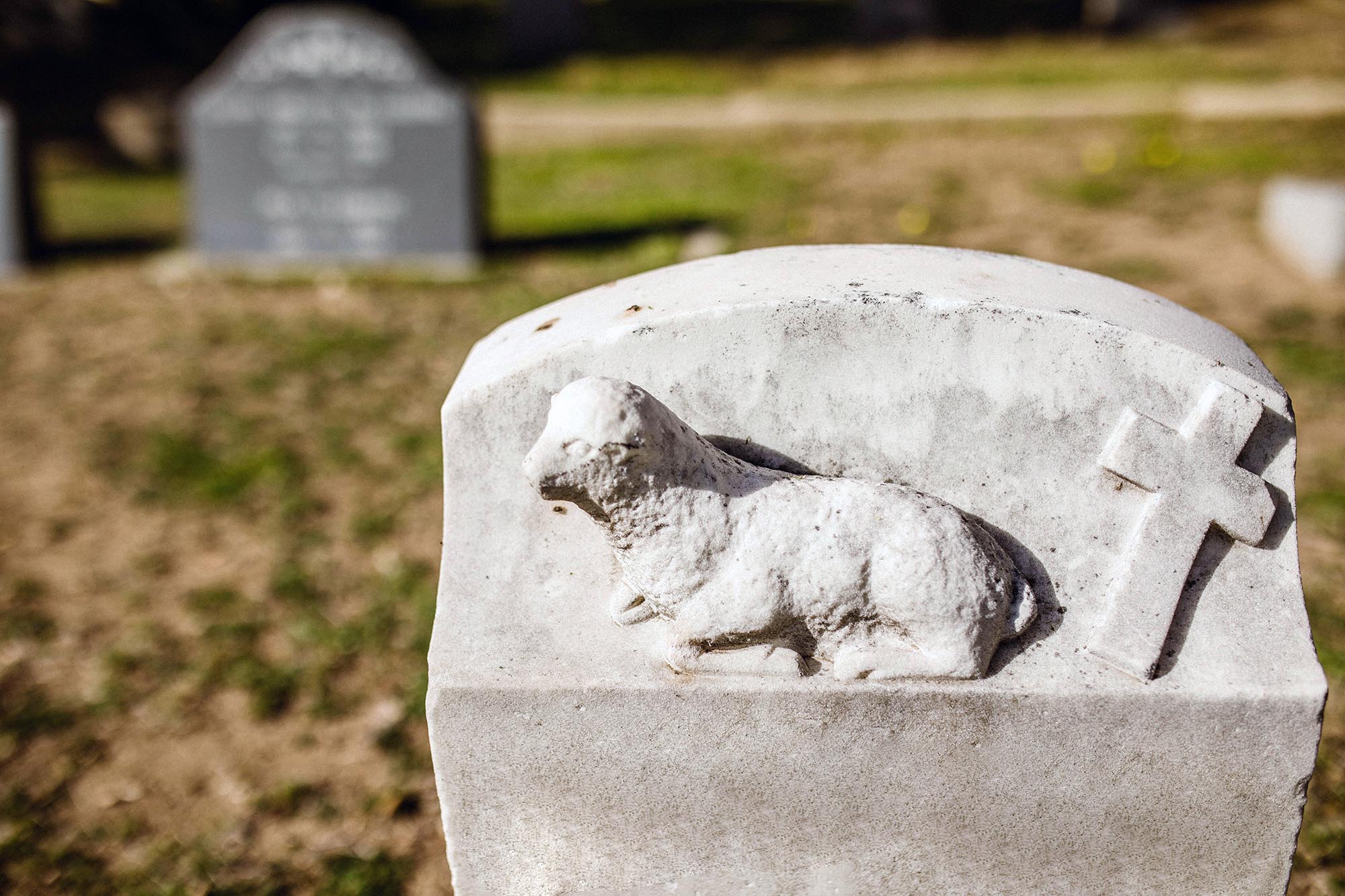
- Cross (many styles): Christian faith; style can reflect denomination or era.
- Star of David: Jewish identity and faith tradition.
- Ichthys / fish: Christian symbol historically associated with faith and spiritual nourishment.
- Dove: peace, the soul, and spiritual themes (context varies).
- Open Bible / book: scripture, faith, or “life story” symbolism depending on layout and epitaph.
If growth or staining makes carvings hard to read, a careful cleaning can restore clarity. See Gravestone Cleaning.
Nature & Life Symbols (Very Common in Older Cemeteries)
Nature symbolism is especially common on 1800s–early 1900s memorials. These motifs often reflect life, grief, remembrance, and the passage of time.
- Willow tree: mourning and remembrance themes (frequent in older sections).
- Ivy: enduring attachment, fidelity, memory.
- Oak leaves / acorns: strength, endurance, legacy themes.
- Rose: love and remembrance; context can change the message.
- Lily: peace and purity themes; commonly used in memorial contexts.
- Lamb: innocence and purity; often used for children’s memorials historically.
- Broken flower / broken stem: a life cut short or grief symbolism (context varies).
Classic Memorial Motifs (Hands, Urns, Drapery, Anchors)
- Clasped hands: connection, farewell, unity, and “until we meet again” themes.
- Pointing finger upward: heaven, spiritual destination, or “upward” symbolism.
- Draped urn: mourning and remembrance; common in 1800s memorial art.
- Anchor: hope, steadfastness, and (in some contexts) faith symbolism.
- Garland / wreath: remembrance, honor, victory-over-death symbolism (context varies).
- Hourglass / clock / scythe: time and mortality motifs often found on early stones.
If you’re placing decorations near delicate carvings, use cemetery-friendly items and avoid adhesives that can stain stone. Start with Gravesite Decoration & Memorial Traditions.
Fraternal & Organization Symbols (Masonic, Eastern Star, IOOF, Woodmen)
Many headstones include symbols showing membership in fraternal or civic organizations—especially on late 1800s–mid 1900s graves. These emblems can be strong clues for family history.
- Freemasonry (Square & Compasses, sometimes with a “G”): indicates Masonic affiliation.
- Order of the Eastern Star: a five-pointed star emblem associated with Eastern Star membership.
- Independent Order of Odd Fellows (IOOF): a three-link chain often marked with F L T (Friendship, Love, Truth).
- Woodmen of the World (WOW): tree-stump style stones and woodcraft motifs can indicate WOW memorial traditions.
If you want help keeping a memorial area neat—especially around older stones with detailed carvings—see Gravesite & Plot Maintenance.
Military & Veteran Symbolism on Headstones
Military markers often include branch information, service era references, or approved emblems. You may also see flags, government-issued plaques, or veteran organization markers nearby.
- Branch / service abbreviations: Army, Navy, Air Force, Marines, Coast Guard (sometimes abbreviated on government markers).
- Government marker formatting: uniform layout and typography can indicate a government-furnished marker.
- Emblems of belief: some government headstones include an approved emblem representing the decedent’s belief tradition.
- Flags and holiday placements: common around Memorial Day and Veterans Day (when permitted).
For respectful holiday tributes and planning guidance, see Veteran Traditions at Cemeteries.
Veteran Coin Traditions (Pennies, Nickels, Dimes & Quarters)
In many U.S. cemeteries, visitors leave coins on the graves of veterans as a quiet sign of respect. The tradition can vary by place and by who explains it, but the most commonly shared meanings are:
- Penny: a visit—“someone was here.”
- Nickel: you trained together (boot camp).
- Dime: you served together in some capacity.
- Quarter: a highly significant tribute—often said to mean you were there when the service member died.
Practical tip: If you place coins, keep them simple and discreet. Some cemeteries remove objects during cleanups, and weather can scatter small items.
If you can’t visit for an important date, we can place a respectful tribute and document completion. See Message Delivery Service and Flower Delivery & Placement.
FAQ: Headstone Symbols & Meanings
Do symbols always have one meaning?
No. Meanings can vary by time period, religion, local custom, and the family’s intent. Use symbols as a “clue,” not a single definitive answer.
What if the carving is worn or unreadable?
That’s common on older stone. A gentle, preservation-first cleaning can improve readability without damaging the memorial. Avoid harsh chemicals and power washing.
Can I decorate near older stone safely?
Yes—choose stable, cemetery-appropriate decorations and avoid adhesives or items that can stain. For ideas and timing, see Gravesite Decoration & Memorial Traditions.
Related Services That Support Memorial Care
- Gravestone Cleaning — preservation-first methods to restore clarity and readability.
- Gravesite & Plot Maintenance — tidy reset around the memorial and surrounding area.
- Flower Delivery & Placement — meaningful dates and seasonal plans.
- Message Delivery Service — letters, cards, prayers, poems, and small tokens delivered with dignity.
Before & After Photo Documentation and a Written Gravesite Condition Report are always provided.