Veteran Grave Care & Memorial Documentation Guide
Veteran grave care includes preservation-first military headstone cleaning, veteran memorial documentation, cemetery photography, family plot documentation, and written gravesite condition reporting for families who want to honor and preserve a veteran memorial.
Gravestone Revival helps local and out-of-town families document, clean, and care for veteran graves throughout Saratoga County, Montgomery County, and Fulton County, New York. Every cemetery care project includes Before & After Photo Documentation and a Written Gravesite Condition Report.
Quick Answer: What Is Veteran Grave Care?
Veteran grave care is the respectful documentation, cleaning, photography, and preservation of a veteran’s cemetery memorial. It may include military headstone cleaning, bronze marker care, inscription photography, veteran emblem documentation, family plot documentation, and cemetery-safe tribute guidance.
The safest approach is simple: protect the memorial first, follow cemetery rules, avoid pressure washing, avoid harsh chemicals, and document the gravesite clearly for the family.
Veteran Memorial Documentation for Families
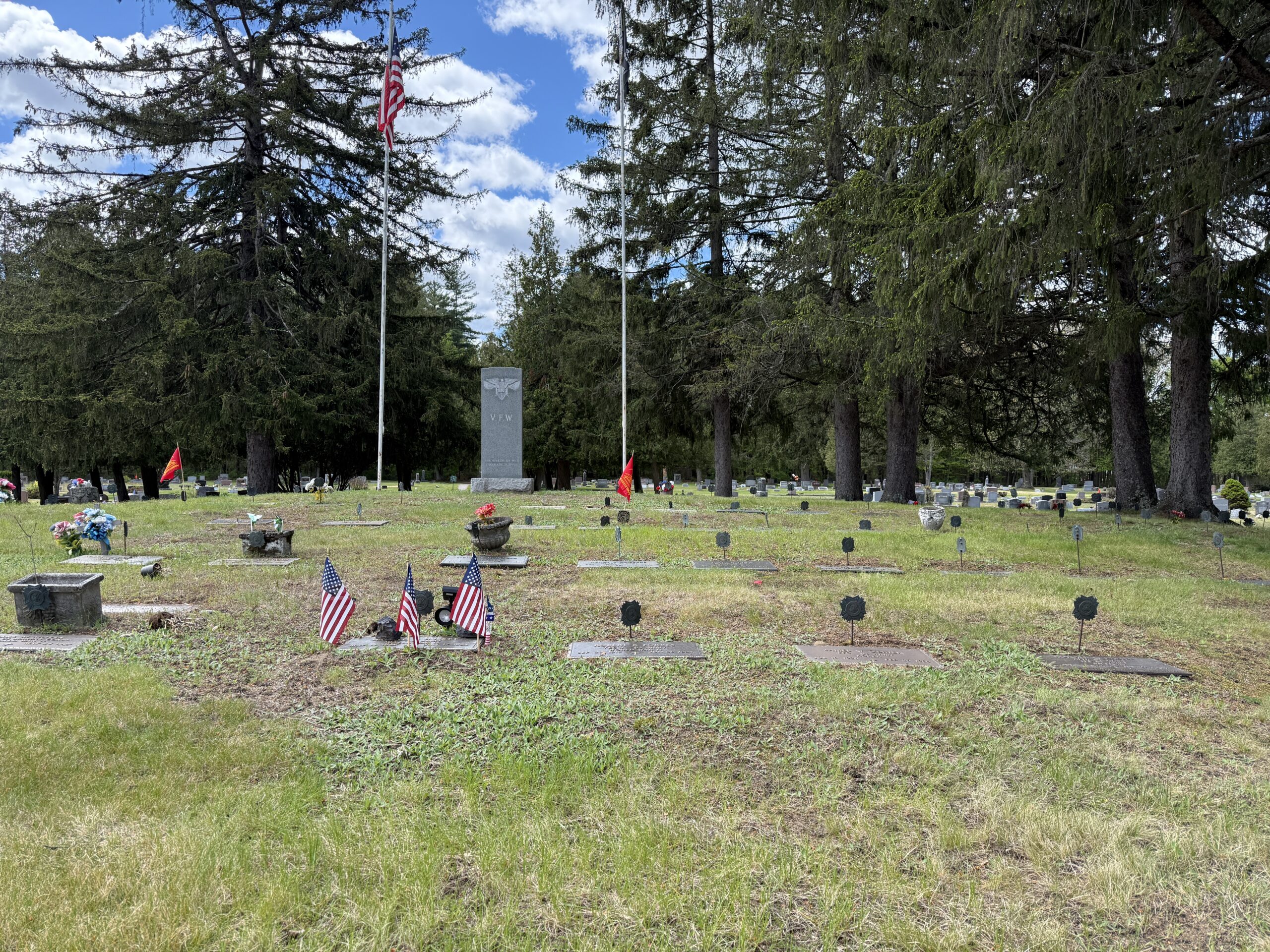
Many families have a veteran loved one buried locally but now live hours away or out of state. Veteran memorial documentation gives the family a current visual and written record of the grave marker, surrounding plot, cemetery section, inscriptions, military emblems, and visible condition concerns.
- Current photos of the veteran grave marker
- Close-up inscription and emblem documentation
- Military service details visible on the memorial
- Family plot and nearby marker context
- Photos of flags, plaques, medallions, or veteran symbols
- Visible condition observations
- Written Gravesite Condition Report
Related service: Family Memorial Documentation
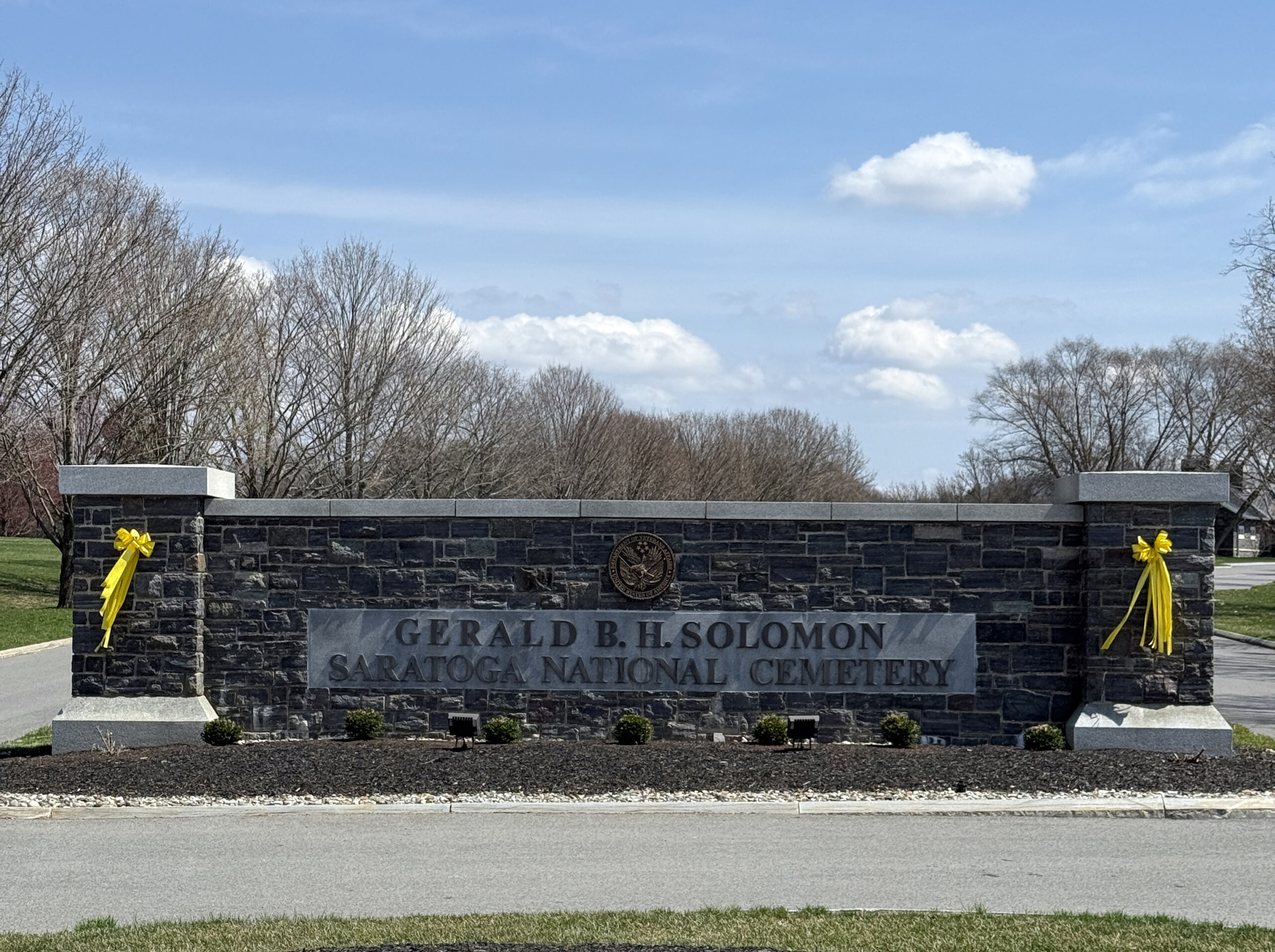
Gerald B. H. Solomon Saratoga National Cemetery is one of the most important veteran cemetery locations in the Saratoga County region.
Military Headstone Cleaning and Veteran Gravestone Cleaning
Military headstone cleaning should be done carefully because veteran memorials may be granite, marble, bronze, or another cemetery-safe material. Upright military stones, flat bronze plaques, government markers, and private family monuments all require different levels of caution.
Gravestone Revival uses preservation-first methods. We do not use pressure washing on cemetery memorials, and we do not use harsh chemicals that can damage stone, bronze, surrounding soil, or historic cemetery materials.
Related service: Gravestone Cleaning
Veteran Grave Condition Reports
A veteran grave condition report helps families understand what is happening at the gravesite before requesting cleaning, repair, leveling, lettering, or documentation.
- Biological growth, staining, or surface buildup
- Faded or difficult-to-read lettering
- Sunken, tilted, shifted, or uneven markers
- Cracks, separation, or visible instability
- Grass overgrowth around flat markers
- Bronze marker oxidation or surface wear
- Family plot context and nearby cemetery conditions
Related service: Cemetery Condition Reports
Veteran Cemetery Traditions: Flags, Coins, Wreaths, and Flowers
Veteran cemetery traditions are meaningful when they are respectful, simple, and cemetery-safe. Families often place American flags, small wreaths, flowers, coins, or personal notes at a veteran’s grave around Memorial Day, Veterans Day, birthdays, anniversaries, and family visits.
Before leaving any tribute, check the cemetery rules. Cemeteries may restrict glass containers, oversized decorations, artificial flowers, metal stakes, loose objects, permanent items, decorations during mowing season, or anything that creates a safety concern.
- American flags: Common around Memorial Day, Veterans Day, and patriotic holidays.
- Coins: Sometimes left to show that someone visited and paid respects.
- Wreaths: Often used seasonally, especially in winter or around veteran remembrance dates.
- Flowers: Best kept simple, cemetery-safe, and consistent with local cemetery rules.
What Do Coins on Veteran Headstones Mean?
Coins are sometimes left on veteran graves as a sign of respect. Customs vary, but one commonly shared interpretation is that a penny means someone visited, a nickel means the visitor trained with the veteran, a dime means the visitor served with the veteran, and a quarter means the visitor was present when the veteran died or was with them near the end.
Because coins are loose objects, not every cemetery encourages them. If you choose to leave a coin, keep it minimal and follow cemetery rules.
Out-of-Town Veteran Grave Care
Out-of-town families often need help checking a veteran grave before a holiday, anniversary, cemetery visit, genealogy project, or family decision. Documentation gives the family confidence that they are seeing the current condition of the memorial, not relying on outdated online photos or incomplete cemetery records.
For families who cannot visit regularly, Gravestone Revival can photograph the grave, document the marker, provide written condition notes, complete approved cemetery care, and send before and after documentation.
Helpful resource: Out-of-Town Family Cemetery Care
Veteran Memorials and Family Plots
A veteran memorial is often part of a larger family plot. A spouse, parents, siblings, children, or multiple generations may be buried nearby. For family history and cemetery care, it is often helpful to document more than one marker.
Family plot documentation can include wide photos of the section, nearby surnames, monument groupings, veteran markers, shared family stones, footstones, flat markers, cemetery road context, and visible plot boundaries when they can be identified.
Related resource: Family Resources
Cemetery-Safe Veteran Grave Care
- Do not use pressure washing on gravestones.
- Do not use household cleaners, bleach, acidic cleaners, or harsh chemicals.
- Do not scrape, grind, sand, or aggressively brush fragile stone.
- Do not attach objects directly to a memorial unless cemetery rules allow it.
- Do not leave glass, sharp objects, loose decorations, or items that can blow away.
- Do not assume every veteran marker can be cleaned the same way.
- Document the memorial before and after any approved care.
Related resource: Cemetery Etiquette
How Gravestone Revival Helps Veteran Families
- Veteran grave photography and documentation
- Military marker inscription documentation
- Veteran emblem and service detail photography
- Written Gravesite Condition Reports
- Before & After Photo Documentation
- Preservation-first gravestone cleaning
- Bronze marker cleaning as part of gravestone cleaning when appropriate
- Family plot documentation
- Out-of-town family cemetery care
- Repair, leveling, stabilization, or lettering recommendations when appropriate
Veteran Cemetery Guides and Local Cemetery Resources
Gravestone Revival’s cemetery guide helps families research local cemeteries, understand cemetery locations, and identify where veteran memorials may be located throughout Saratoga County, Montgomery County, and Fulton County.
Helpful cemetery resources: Cemetery Guide | Saratoga County Cemetery Guide | Montgomery County Cemetery Guide | Fulton County Cemetery Guide
FAQ: Veteran Grave Care and Memorial Documentation
What is veteran grave care?
Veteran grave care is the respectful documentation, cleaning, photography, and preservation of a veteran’s cemetery memorial. It may include military headstone cleaning, marker documentation, condition reporting, family plot documentation, and cemetery-safe tribute guidance.
Can military headstones be cleaned?
Yes, when the marker condition and cemetery rules allow it. Military headstones should be cleaned with preservation-first methods. Pressure washing and harsh chemicals should not be used on cemetery memorials.
Can Gravestone Revival photograph a veteran grave for an out-of-town family?
Yes. Gravestone Revival provides veteran memorial documentation, cemetery photography, family plot documentation, and written visible condition observations for families who cannot visit in person.
What should I leave at a veteran grave?
A small American flag, modest flowers, a wreath, or a simple personal tribute may be appropriate when cemetery rules allow it. Simple, neat, and cemetery-safe tributes are usually best.
Do you provide documentation after veteran grave care?
Yes. Before & After Photo Documentation and a Written Gravesite Condition Report are always provided for cemetery care projects.
Request Veteran Memorial Documentation or Grave Care
If your loved one, ancestor, spouse, parent, grandparent, or veteran family member is buried in Saratoga County, Montgomery County, or Fulton County, Gravestone Revival can help with cemetery documentation, grave photography, gravestone cleaning, condition reporting, and respectful cemetery care.
Send the cemetery name, town, veteran name, family surname, known section or lot details, and what kind of documentation or cemetery care you need.
Before & After Photo Documentation and a Written Gravesite Condition Report are always provided.