Who Is Responsible for Maintaining a Gravesite?
Understanding Cemetery Responsibility, Perpetual Care, and Family Gravesite Maintenance
Gravesite maintenance responsibility usually depends on the cemetery’s rules, the type of cemetery, the plot agreement, and the kind of care being discussed. Cemeteries commonly maintain the grounds, roads, mowing, and common areas, while families are often responsible for the gravestone, decorations, memorial condition, cleaning, and requests for repair or documentation.
Many families assume “perpetual care” means the cemetery will clean, repair, monitor, and maintain the individual headstone forever. In many cemeteries, that is not what perpetual care means. This guide explains the difference so families know what to ask, what to document, and when outside cemetery care may help.
Gravestone Revival provides preservation-first cemetery care throughout Saratoga County, Montgomery County, and Fulton County, New York. Before & After Photo Documentation and a Written Gravesite Condition Report are always provided for cemetery care projects.
Quick Answer: Who Takes Care of a Gravesite?
In many cemeteries, the cemetery is responsible for general grounds maintenance such as mowing, roads, common areas, and overall cemetery upkeep. The family is often responsible for the individual memorial, including gravestone cleaning, monitoring visible damage, requesting repairs, following decoration rules, and arranging documentation or additional care when needed.
Rules vary by cemetery. A church cemetery, municipal cemetery, private cemetery, national cemetery, rural burial ground, and family cemetery may all handle responsibility differently. The safest answer is to check the cemetery’s rules and ask what is included before assuming the grave marker itself is being monitored or maintained.
What Cemeteries Usually Maintain
Cemeteries usually focus on the cemetery property as a whole. Their job is often to keep the grounds accessible, safe, and maintained according to cemetery policy.
- Cemetery roads and pathways
- Mowing and general lawn care
- Common areas
- Tree and branch management when handled by the cemetery
- Seasonal cleanup policies
- Burial records and plot administration
- Rules for flowers, decorations, flags, and memorial items
- General safety and cemetery operations
This does not always mean the cemetery cleans individual gravestones, repairs memorials, repaints lettering, raises sunken markers, removes biological growth, or sends families condition updates.
What Families Are Often Responsible For
Families are often responsible for the individual memorial and the decisions connected to it. This can include knowing the cemetery rules, requesting permission, arranging work, and deciding whether a headstone needs cleaning, repair, documentation, or monitoring.
- Checking whether the headstone is clean and readable
- Arranging preservation-first gravestone cleaning
- Requesting repair or stabilization when a stone is cracked, broken, or fallen
- Addressing leaning or sunken markers when permitted
- Documenting inscriptions, symbols, veteran details, and family plot context
- Following cemetery flower and decoration rules
- Removing or replacing memorial items when cemetery rules require it
- Contacting the cemetery when damage, vandalism, or safety concerns appear
For local families, this may be manageable. For out-of-town families, adult children, executors, and relatives who only visit occasionally, it can be difficult to know what condition the gravesite is actually in.
What Does Perpetual Care Actually Mean?
Perpetual care usually refers to a cemetery fund or arrangement intended to support long-term cemetery upkeep. It is often connected to general cemetery maintenance, not unlimited care of each individual headstone.
Families sometimes assume perpetual care means the cemetery will personally clean the marker, repair cracks, reset sunken stones, remove lichen, maintain flowers, monitor damage, or send family updates. In many cases, perpetual care does not include those services unless the cemetery specifically says so.
Perpetual care may help support:
- Mowing and lawn care
- Cemetery roads and access
- Common area upkeep
- General grounds maintenance
- Basic cemetery operations
- Long-term care of cemetery property
The exact meaning depends on the cemetery, the plot agreement, state rules, cemetery policy, and how the cemetery defines perpetual care or endowment care.
What Perpetual Care Usually Does Not Guarantee
Every cemetery is different, but families should not assume perpetual care automatically includes detailed memorial care. In many cases, the following may still be the family’s responsibility or require separate approval:
- Gravestone cleaning
- Removal of lichen, moss, algae, or biological growth
- Headstone repair or stabilization
- Leveling or resetting a sunken marker
- Repainting faded lettering
- Replacing broken vases, plaques, or memorial items
- Cleaning bronze markers
- Monitoring a family plot after storms
- Sending condition photos to out-of-town relatives
- Documenting inscriptions or family history details
This is why a cemetery can be well maintained overall while an individual family marker is still dirty, sinking, leaning, hard to read, or in need of attention.
Why a Gravesite Can Still Need Care in a Perpetual Care Cemetery
Perpetual care does not stop weather, time, moisture, ground movement, tree debris, freeze-thaw cycles, biological growth, or fading inscriptions. Even in a well-kept cemetery, individual memorials can develop problems that the family may need to address.
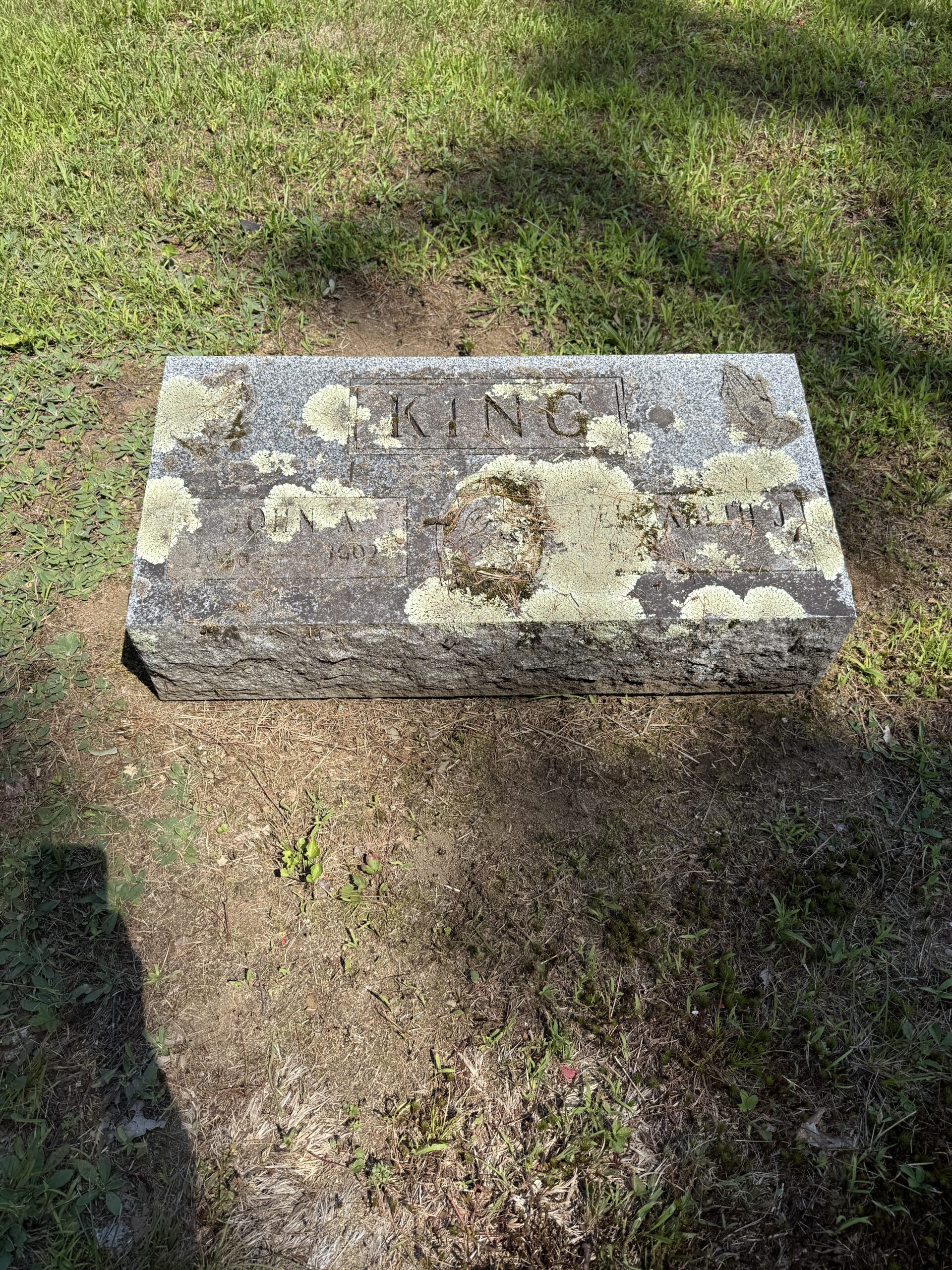
- Biological growth: lichen, moss, algae, and mildew can cover names and dates.
- Staining: black streaks, mineral deposits, soil splashback, and tree debris can darken stone.
- Sinking: flat markers can settle below grade and become harder to read.
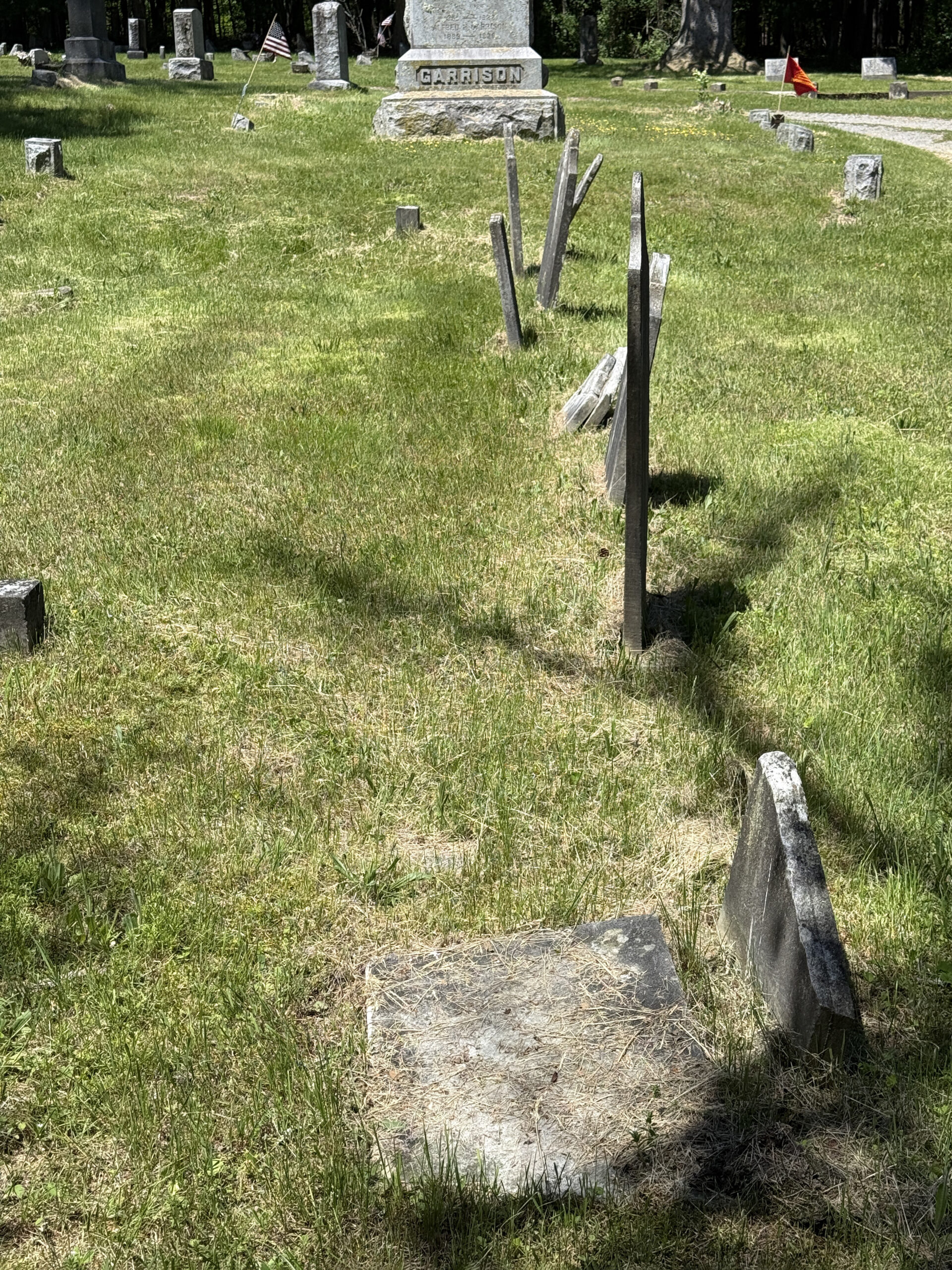
- Leaning: upright markers can shift because of soil movement, roots, or frost heave.
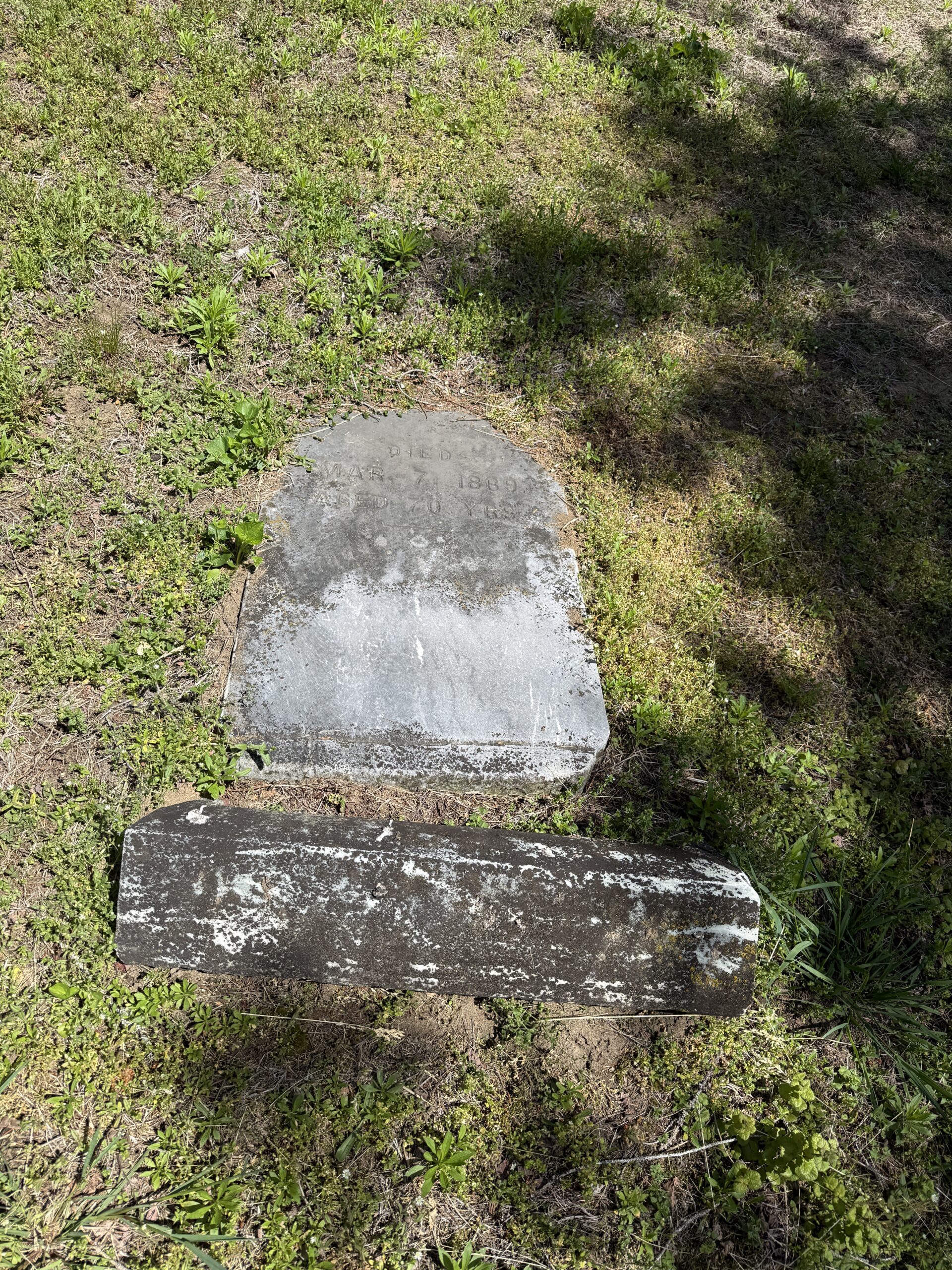
- Cracking: freeze-thaw cycles, impact, and old repairs can create or widen cracks.
- Lettering loss: inscription paint can fade or wear away over time.
- Storm damage: branches, wind, or falling debris can affect a family plot.
- Distance: out-of-town relatives may not know a problem exists until years later.
Helpful resources: Why Is My Gravestone So Dirty? | Why Is Stuff Growing on My Headstone? | Why Is My Gravestone Sinking?
Who Is Responsible for a Dirty or Growth-Covered Headstone?
In many cemeteries, the family is responsible for arranging individual gravestone cleaning, especially when the concern is lichen, moss, algae, staining, soil buildup, or a hard-to-read inscription. Some cemeteries may offer cleaning, restrict cleaning methods, or require approval before outside work is performed.
Families should ask whether cleaning is allowed, what methods are permitted, whether outside cemetery care providers may work there, and whether special approval is required.
Related service: Professional Gravestone Cleaning
Who Is Responsible for a Leaning, Sinking, or Broken Gravestone?
Responsibility depends on cemetery rules, cause of damage, plot ownership, monument ownership, prior agreements, and whether the cemetery allows outside work. A cemetery may manage the grounds, but a leaning, sinking, cracked, or broken memorial often requires family authorization and a separate repair or reset request.
If the damage appears to be caused by cemetery equipment, vandalism, storm damage, or tree damage, document the condition before anything is moved. Contact the cemetery office and ask what their process is for reporting damage.
Related resources: Why Are Gravestones Leaning? | What Causes Gravestones to Crack? | Headstone Repair & Stabilization
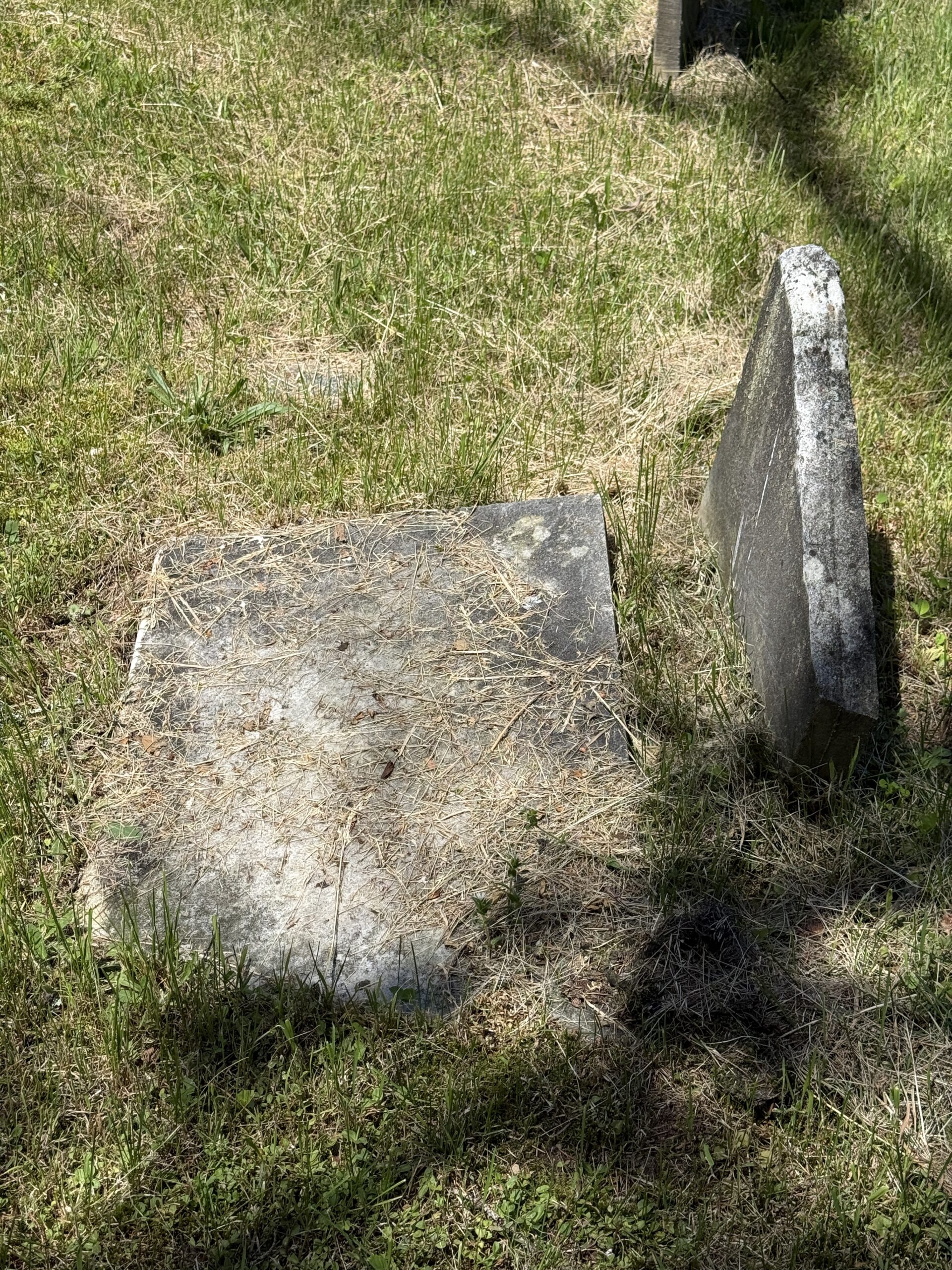
The Challenge for Out-of-Town Families
Out-of-town families often assume the cemetery will notify them if something changes. In reality, many families do not learn about dirty stones, sinking markers, broken vases, faded inscriptions, storm debris, or leaning memorials until they visit years later or receive a photo from someone else.
Distance creates uncertainty. Families may not know whether the marker is clean, whether the inscription is readable, whether flowers are still present, whether the stone is sinking, or whether a condition concern needs attention.
This is where documentation becomes valuable. Current photos and written notes can give families a clear record of the gravesite without guessing from a distance.
Related page: Out-of-Town Cemetery Care
Who Should You Contact If You Notice a Gravesite Problem?
If you notice a problem at a family gravesite, start by identifying who manages the cemetery and what rules apply.
- Contact the cemetery office or sexton. Ask what they handle and what the family must arrange.
- Ask about cemetery rules. Confirm whether cleaning, repair, leveling, decorations, or outside work require approval.
- Document the condition. Take photos before moving items or requesting work.
- Ask whether family authorization is required. Some cemeteries require permission from the plot owner, next of kin, or authorized family contact.
- Request a condition review if needed. A written report can help families decide what to do next.
For church cemeteries, the contact may be the church office, cemetery committee, sexton, parish office, or local caretaker. For municipal cemeteries, the contact may be the town, village, cemetery department, or public works office.
Questions to Ask the Cemetery
Before arranging work, families should ask direct questions so there is no confusion about responsibility.
- What does perpetual care include at this cemetery?
- Does perpetual care include individual gravestone cleaning?
- Who is responsible for repairing a cracked, leaning, or sunken marker?
- Are outside cemetery care providers allowed?
- Do you require approval before cleaning, repair, leveling, or reset work?
- Are there rules about cleaning products or methods?
- Are there rules about flowers, flags, decorations, or seasonal cleanup?
- Who can authorize work on the memorial?
- Do you have a map, section record, or plot location for the family grave?
- What should the family do if damage appears to be caused by equipment, storms, or vandalism?
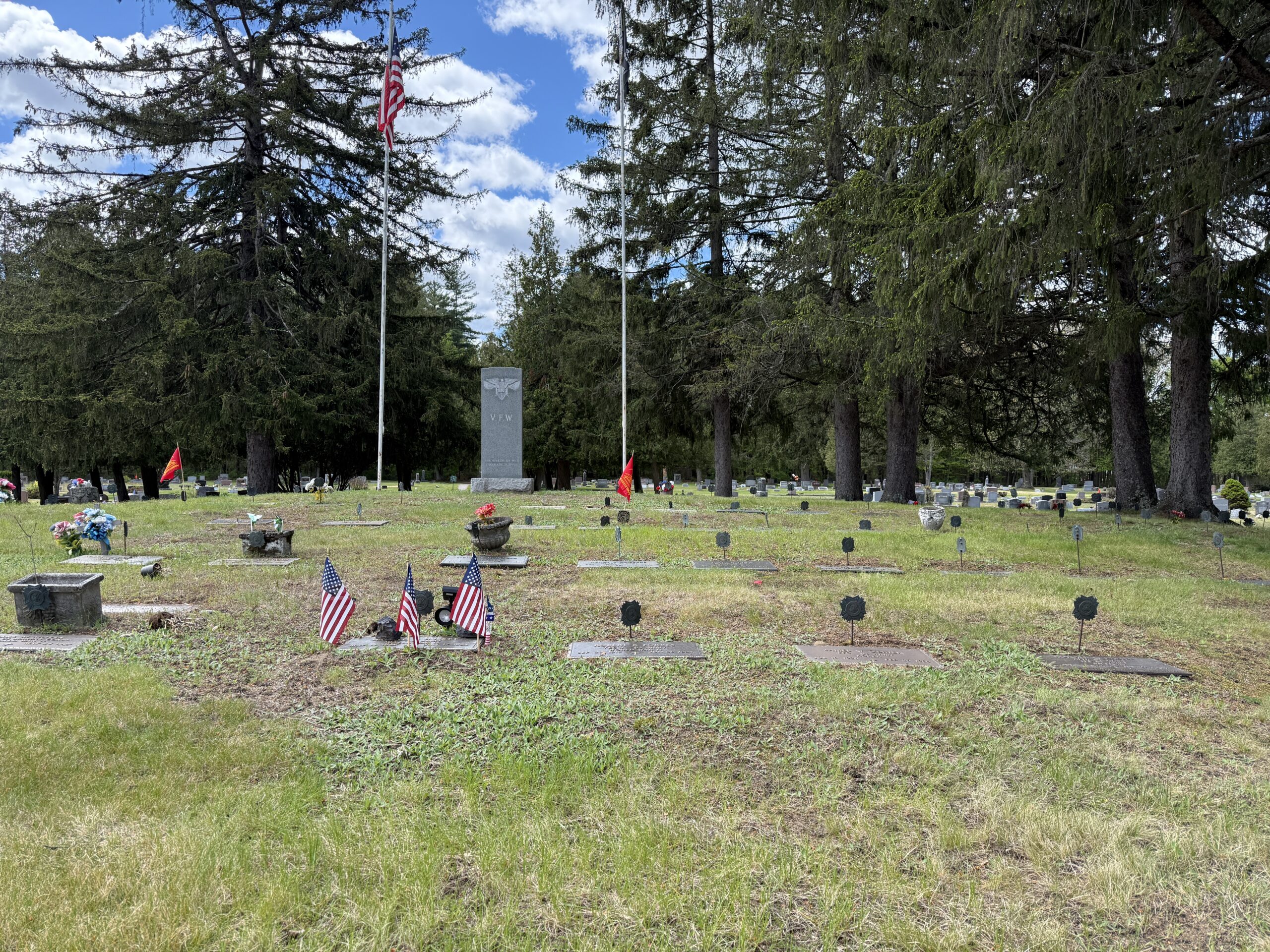
How Gravestone Revival Helps Families Understand Gravesite Condition
Gravestone Revival helps families see what is happening at a cemetery now. This is especially helpful when relatives live out of town, have not visited recently, are managing a family plot, or need to decide whether cleaning, repair, leveling, or documentation is appropriate.
- Family Memorial Documentation — photographs, inscription details, cemetery context, and family plot documentation.
- Cemetery Condition Reports — written notes and photo documentation of visible cemetery concerns.
- Family Plot Care — seasonal checks, post-storm review, debris assessment, condition reporting, and documented cemetery care.
- Professional Gravestone Cleaning — preservation-first cleaning for dirty, stained, or growth-covered memorials.
- Gravestone Leveling & Reset — for sunken flat markers and appropriate reset work.
- Headstone Repair & Stabilization — for cracked, broken, fallen, or unstable memorials.
What Happens If Nobody Maintains a Gravesite?
If nobody checks a gravesite, small problems can go unnoticed for years. A marker may slowly sink below grade. Biological growth may cover an inscription. A leaning stone may become unstable. Faded lettering may become difficult to read. Storm debris may remain until the next cemetery cleanup. Damage may be discovered long after it happened.
Not every concern requires immediate repair, but documentation helps preserve the family record and gives relatives a clear basis for deciding what to do next.
Helpful guide: Why Is My Headstone Inscription Hard to Read?
FAQ: Gravesite Maintenance Responsibility
Does perpetual care include gravestone cleaning?
Not always. Perpetual care often refers to general cemetery grounds maintenance, not individual gravestone cleaning. Families should ask the cemetery what is included.
Does perpetual care include gravestone repair?
Usually not automatically. Repair responsibility depends on cemetery rules, the plot agreement, ownership, cause of damage, and whether the cemetery offers or approves repair services.
Who owns the gravestone after it is installed?
Responsibility varies by cemetery and purchase agreement. In many cases, the memorial is connected to the family or plot owner, while the cemetery manages the grounds and enforces cemetery rules.
Who is responsible for a leaning gravestone?
It depends on cemetery rules, cause of the lean, monument ownership, and whether the cemetery allows outside reset work. The family should document the condition and contact the cemetery first.
Who is responsible for a broken gravestone?
Responsibility depends on how the damage occurred, cemetery rules, plot ownership, and whether vandalism, storm damage, cemetery equipment, or prior instability may be involved. Photos and written notes are important.
Does the cemetery have to clean a headstone?
Not necessarily. Many cemeteries maintain the grounds but do not regularly clean individual headstones. Some may offer cleaning or restrict who may perform it.
What if I live out of state?
Out-of-town families can request cemetery documentation, condition reports, family plot care, or preservation-first gravestone cleaning so they have current photos and written notes.
What happens if nobody maintains a family gravesite?
The cemetery may continue maintaining the grounds, but the individual memorial may become dirty, stained, sunken, leaning, hard to read, or damaged without the family realizing it.
Need Help Checking a Family Gravesite?
If you are unsure who is responsible for a family gravesite, or if a memorial appears dirty, leaning, sinking, cracked, damaged, or hard to read, Gravestone Revival can help document the condition and recommend the right next step.
Send the cemetery name, town, family surname, memorial photos if available, and what concern you are trying to understand.
Before & After Photo Documentation and a Written Gravesite Condition Report are always provided.