
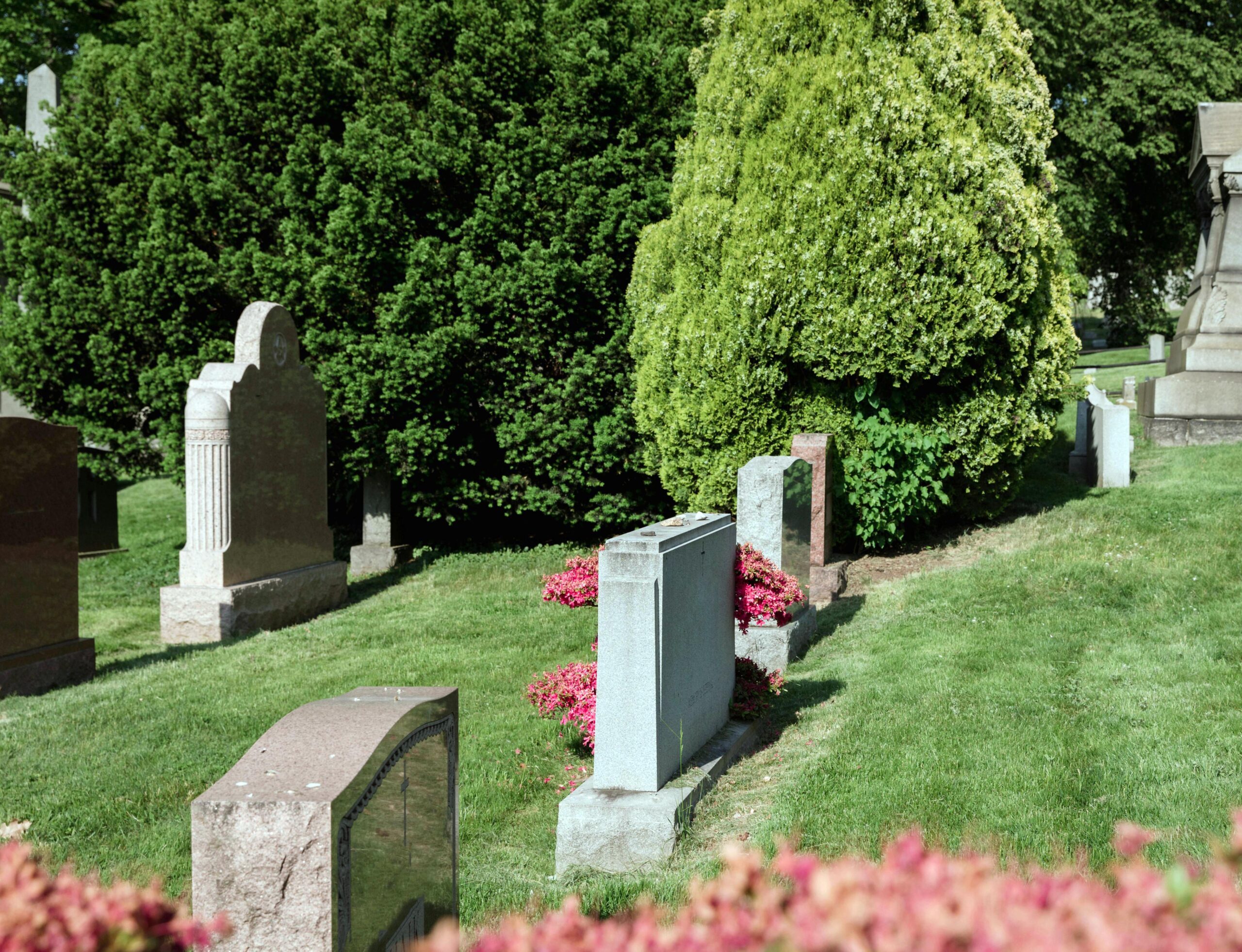
Why Pressure Washing Gravestones Can Permanently Damage Headstones
Many people assume that pressure washing is an efficient way to clean outdoor stone surfaces. Because pressure washers are commonly used on sidewalks, patios, and buildings, it may seem logical to use the same method on gravestones. In reality, preservation specialists advise against pressure washing memorials because it can permanently damage the stone surface, lettering, and internal structure of the monument.
At Gravestone Revival, our approach is preservation-first: no harsh chemicals and no power washing. We focus on safe gravestone cleaning methods designed to improve readability while protecting the long-term integrity of the memorial.
This guide works alongside our Gravestone Cleaning service, our Knowledge Center, and our cemetery-specific pages in the broader Gravestone Revival hub-and-spoke system.
Before & After Photo Documentation and a Written Gravesite Condition Report are always provided.
Why Pressure Washing Gravestones Is a Grave Mistake
Pressure washing gravestones may seem like a quick cleaning solution, but the high-pressure water can permanently damage historic headstones. Pressure washers are designed for durable exterior surfaces, not for historic memorials and cemetery monuments. What appears to be a quick cleaning method can actually remove more than dirt. It can strip away the surface of the stone itself, damage carved lettering, and force moisture deep into cracks and pores.
- Surface erosion: high-pressure water can roughen or “sugar” the stone, making it easier for new dirt and biological growth to take hold
- Mechanical damage: inscriptions, carved details, and fragile edges can chip or wear down
- Internal decay: water can be forced into pores and cracks, creating freeze-thaw damage over time
- Accelerated deterioration: older marble, limestone, sandstone, and weathered granite can be permanently weakened
For these reasons, pressure washing is widely considered a poor choice for historic gravestone preservation, especially in older cemeteries where memorials have already endured decades of exposure.
Stone Types That Can Be Damaged Most Easily
Not all gravestones respond to cleaning the same way. Many older memorials are softer and more porous than people realize. That means the wrong method can do irreversible harm.
- Marble: especially vulnerable to erosion and loss of inscription detail
- Limestone: porous and sensitive to aggressive water pressure
- Sandstone: prone to surface loss and flaking
- Weathered granite: more durable than marble, but still vulnerable if already worn or cracked
- Bronze markers: require their own process and should not be treated like stone surfaces
If a memorial includes bronze, faded inscriptions, or visible cracking, a careful evaluation is especially important before any cleaning begins.
What Actually Causes Most Gravestone Staining
In many cases, gravestones do not need extreme cleaning at all. What families often see as “deep staining” is actually natural biological growth and environmental buildup.
- moss
- lichen
- algae
- sap and tree-related buildup
- general surface soiling
- moisture-related discoloration
These issues can usually be addressed much more safely with preservation-first methods rather than blasting the memorial with high-pressure water.
Safer Ways to Clean Gravestones
Preservation specialists generally rely on gentle, low-impact cleaning methods that remove biological growth while minimizing risk to the memorial. These methods take more care and patience, but they protect the stone for the future.
- Soft-bristled brushes rather than wire or aggressive scrub tools
- Memorial-safe biological cleaners designed for historic stone
- Low-pressure rinsing instead of blasting the surface
- Gradual growth removal rather than harsh fast-result cleaning
- Professional evaluation when lettering is fading or the stone shows deterioration
If you need help with a memorial showing moss, lichen, reduced readability, or general staining, see our Gravestone Cleaning page for the preservation-first process we use in the field.
When Professional Gravestone Cleaning Makes Sense
Professional cleaning is often the safest path when a memorial has heavy biological growth, reduced readability, oxidation on bronze, faded inscriptions, or long-term neglect. Families also frequently request service before Memorial Day, anniversaries, birthdays, and planned cemetery visits.
Depending on the memorial’s condition, the most relevant next step may be one of the following:
- Gravestone Cleaning
- Headstone Letter Repainting
- Bronze Grave Marker Cleaning & Wax
- Gravesite & Plot Maintenance
For broader planning, visit our Services Hub, Service Areas, and FAQ.
Why This Matters in Historic Cemeteries
Historic cemeteries in Saratoga County often contain memorials made from older materials and exposed to decades of weathering, moisture, tree cover, and freeze-thaw cycles. In those settings, aggressive cleaning methods are especially risky. Families trying to do the right thing can unintentionally shorten the life of the memorial by choosing the wrong method.
That is why this topic connects directly to our growing cemetery-specific content cluster and our preservation-focused local service pages. The goal is not simply to make a headstone look cleaner today. The goal is to preserve the memorial respectfully for the long term.
Need Safe Gravestone Cleaning Help?
If you are dealing with moss, lichen, staining, fading lettering, or a memorial that has become difficult to read, tell us the cemetery name, town, and what concerns you most. We’ll help you determine the safest next step.
Before & After Photo Documentation and a Written Gravesite Condition Report are always provided.
Services | Service Areas | Knowledge Center | FAQ | Free Estimate