When Do Families Decorate Gravesites?
Families commonly decorate gravesites on Memorial Day, Veterans Day, birthdays, anniversaries, Mother’s Day, Father’s Day, Christmas, Easter, the date of passing, and during seasonal cemetery visits.
There is no single correct time to decorate a grave. The right time is usually the date, season, holiday, or family tradition that feels meaningful while still following cemetery rules.
This guide explains the most common times families visit and decorate gravesites, what types of tributes are often used, and why cemetery rules, cleanup schedules, and respectful placement matter.
Quick Answer: The Most Common Times to Decorate a Gravesite
- Memorial Day: especially for veteran graves, flags, flowers, and family remembrance.
- Veterans Day: military service remembrance and patriotic tributes.
- Mother’s Day and Father’s Day: very common for parents and grandparents.
- Birthdays and anniversaries: personal family dates with strong emotional meaning.
- Date of passing: many families visit on the anniversary of death.
- Christmas and winter holidays: wreaths, evergreens, and cemetery-approved seasonal tributes.
- Easter and spring visits: flowers, faith-based remembrance, and spring cleanup.
- Seasonal changeovers: spring refresh, summer upkeep, fall flowers, and winter arrangements.
Before placing anything, check cemetery rules. Many cemeteries have cleanup dates, mowing restrictions, container rules, and seasonal decoration policies.
Memorial Day Gravesite Decorations
Memorial Day is one of the most common times families visit cemeteries. Many families bring flowers, small flags, wreaths, or red-white-blue arrangements, especially for veterans and family members who served in the military.
Veteran graves may also receive American flags from cemetery groups, local organizations, veteran associations, or family members. Always follow cemetery flag rules and avoid placing flags where they interfere with mowing or nearby markers.
Related guide: Veteran Grave Care & Memorial Documentation
Veterans Day Gravesite Visits
Veterans Day is another common time for cemetery visits, especially for families honoring military service. Tributes are often simple: a flag, a small wreath, red-white-blue flowers, or a quiet family visit.
For out-of-town families, veteran grave documentation can be especially meaningful. Current photos can show the marker, veteran inscription, emblem, flag condition, and surrounding cemetery context.
Mother’s Day and Father’s Day
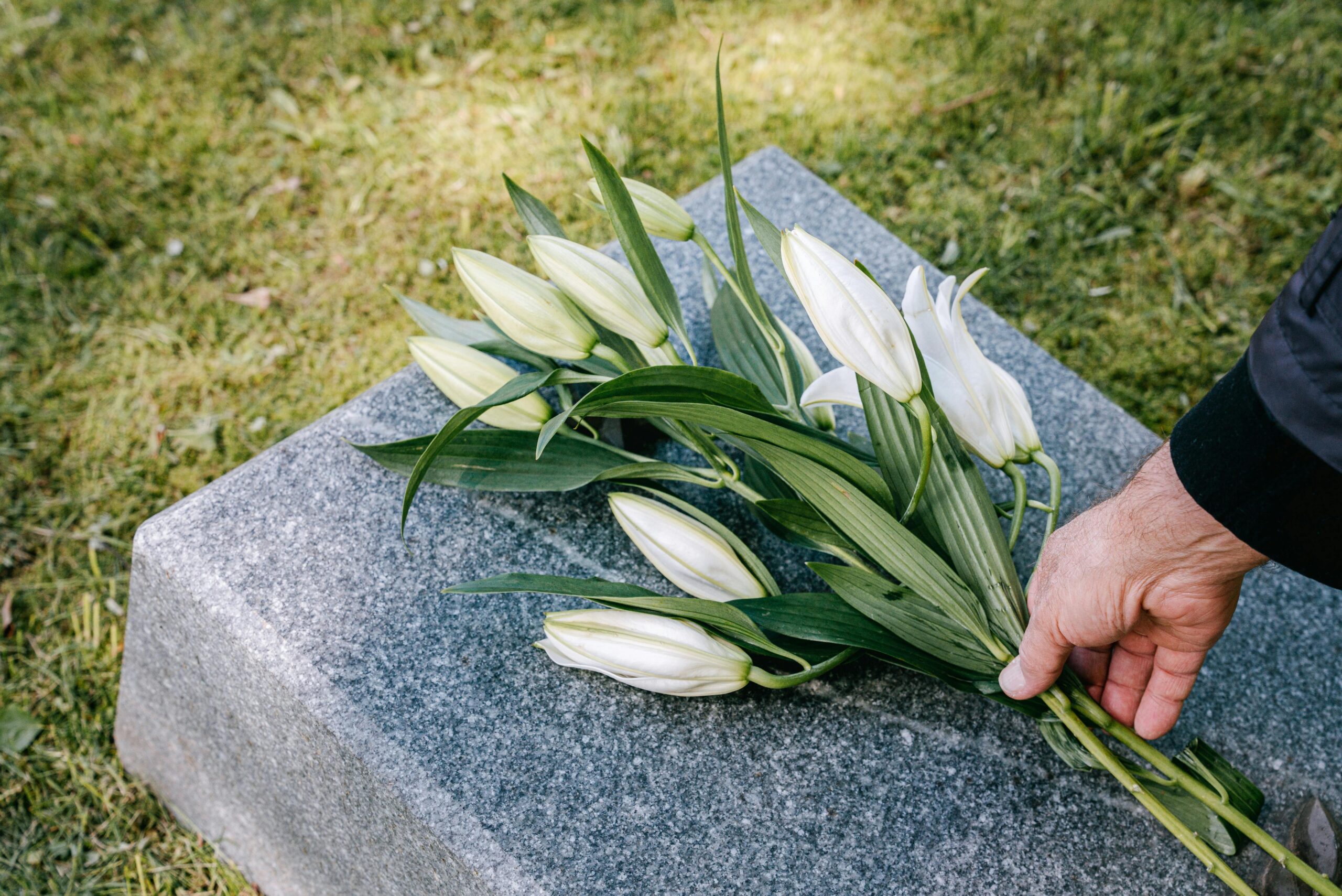
Mother’s Day and Father’s Day are among the most emotional times families decorate gravesites. Many families bring flowers for parents, grandparents, spouses, and family members who played a major role in their lives.
- Mother’s Day: roses, carnations, lilies, hydrangeas, tulips, or favorite garden flowers.
- Father’s Day: simple arrangements, favorite colors, patriotic flowers, or seasonal tributes.
- Grandparents: family flowers, modest seasonal arrangements, or traditional memorial colors.
Helpful guide: How to Choose Flowers for a Gravesite
Birthdays, Wedding Anniversaries, and Personal Dates
Personal dates are often the most meaningful. Families may decorate on a loved one’s birthday, wedding anniversary, date of passing, military service date, or another date that carries family importance.
These visits are often less about tradition and more about connection. A small arrangement, favorite flower, quiet visit, family photo, or documentation of the memorial may be more meaningful than a large display.
Christmas and Winter Cemetery Decorations
Winter cemetery decorations often include wreaths, evergreens, grave blankets, modest seasonal flowers, or cemetery-approved holiday tributes. These are common around Christmas and other winter holidays.
Winter decorations should be low-profile, durable, and allowed by the cemetery. Wind, snow, ice, plowing, and seasonal cleanup rules can affect what remains in place.
- Check whether wreaths or grave blankets are allowed.
- Avoid glass ornaments and loose decorations.
- Use weather-resistant materials.
- Remove damaged or faded items after the season if required.
Easter and Spring Cemetery Visits
Spring is a common time for families to return to cemeteries after winter. Easter, spring flowers, warmer weather, and cemetery cleanup periods often bring families back to check memorial condition and refresh flowers.
Spring is also a good time to notice whether a marker has become dirty, sunken, leaning, hard to read, or affected by winter weather.
Related guide: Why Are Gravestones Leaning?
Seasonal Cemetery Decorating
Some families decorate seasonally rather than only on holidays. Seasonal decorating can help a memorial feel cared for throughout the year, especially when the family has a tradition of visiting at certain times.
- Spring: fresh flowers, Easter flowers, and cemetery cleanup awareness.
- Summer: durable arrangements that can handle heat, sun, and storms.
- Fall: chrysanthemums, warm colors, harvest tones, and family remembrance visits.
- Winter: evergreens, wreaths, grave blankets, and approved winter decorations.
Seasonal decorations should still be modest, secure, cemetery-approved, and easy for cemetery staff to maintain around.
After Storms, Winter, or Long Periods Away
Many families visit after storms, heavy snow, spring thaw, or long periods away. These visits are less about decorating and more about checking the memorial’s condition.
Storms, winter weather, mowing, falling branches, soil movement, and long-term exposure can affect flowers, decorations, inscription readability, stone stability, and the surrounding plot.
Helpful resources: Why Is My Gravestone So Dirty? | Why Is My Headstone Inscription Hard to Read?
How Often Should Gravesite Decorations Be Updated?
There is no universal schedule. The right timing depends on the cemetery rules, weather, type of item, season, family tradition, and how often someone can visit.
- Fresh flowers: often need removal or replacement within days or weeks.
- Artificial flowers: may last longer but can fade, fray, or be removed during cleanup.
- Wreaths and evergreens: usually seasonal and should be removed when weathered or required by cemetery rules.
- Flags: should be placed respectfully and replaced if torn, faded, or weather-damaged.
- Loose items: should generally be avoided because they can become debris.
Fewer, better, cemetery-approved items usually look more respectful than a large display that becomes weathered, crowded, or difficult to maintain.
Cemetery Rules and Cleanup Dates Matter
Many cemeteries remove flowers and decorations during scheduled cleanup periods. Others remove items that are broken, faded, oversized, unsafe, or outside approved areas.
- Check posted cemetery rules before placing items.
- Ask about spring and fall cleanup dates.
- Avoid glass, balloons, food, alcohol, loose paper, and breakable items.
- Keep items close to the memorial or approved vase area.
- Do not place items in mowing lanes, roads, walkways, or neighboring plots.
Helpful guide: What Not to Place at Gravesites
Out-of-Town Families and Meaningful Cemetery Dates
Families who live out of town often plan cemetery visits around holidays, birthdays, anniversaries, family reunions, genealogy trips, funerals, or seasonal travel. When visits are limited, current cemetery documentation can help families understand the memorial’s condition before or after a visit.
A documentation visit can show whether flowers or decorations are present, whether the marker is readable, whether the grave appears cared for, and whether there are visible concerns such as staining, sinking, leaning, cracking, or overgrowth.
Helpful resources: Out-of-Town Cemetery Care | Family Memorial Documentation | Cemetery Condition Reports
FAQ: When Do Families Decorate Gravesites?
What is the most common time to decorate a grave?
Memorial Day is one of the most common cemetery decoration times, especially for veteran graves. Mother’s Day, Father’s Day, birthdays, anniversaries, Christmas, Easter, and the date of passing are also common.
Do families decorate graves on birthdays?
Yes. Many families visit and decorate gravesites on birthdays, wedding anniversaries, and other personal family dates.
Can I decorate a grave for Christmas?
Often yes, if cemetery rules allow it. Wreaths, evergreens, and grave blankets are common winter tributes, but cemetery cleanup rules and decoration policies vary.
When should old decorations be removed?
Old decorations should be removed when they become wilted, faded, damaged, windblown, or when cemetery cleanup rules require removal.
Why did the cemetery remove flowers or decorations?
Decorations may be removed because of mowing, seasonal cleanup, weather damage, cemetery rules, safety concerns, or placement outside approved areas.
What if I live too far away to check the gravesite?
Current cemetery documentation can show the memorial, inscription, plot condition, existing flowers or decorations, and visible concerns such as staining, sinking, leaning, cracking, or overgrowth.
Need Help Documenting a Family Memorial?
If your loved one, parent, grandparent, spouse, veteran family member, or ancestor is buried in Saratoga County, Montgomery County, or Fulton County, Gravestone Revival can help with cemetery documentation, grave photography, gravestone cleaning, condition reporting, and preservation-first cemetery care.
Send the cemetery name, town, family surname, memorial photos if available, and what kind of documentation or cemetery care you need.
Before & After Photo Documentation and a Written Gravesite Condition Report are always provided.