Ways to Honor a Loved One at a Cemetery
Honoring a loved one at a cemetery can be as simple as visiting, placing flowers, documenting the memorial, cleaning the gravestone, preserving family history, or continuing a meaningful tradition.
There is no single right way to remember someone. The most meaningful cemetery tributes are respectful, personal, cemetery-approved, and connected to the person’s life, family, service, faith, or legacy.
Gravestone Revival provides preservation-first cemetery care throughout Saratoga County, Montgomery County, and Fulton County, New York. Before & After Photo Documentation and a Written Gravesite Condition Report are always provided for cemetery care projects.
Quick Answer: How Can You Honor Someone at a Cemetery?
You can honor a loved one at a cemetery by visiting on meaningful dates, placing cemetery-approved flowers, documenting the memorial, cleaning the gravestone safely, preserving the inscription, caring for a family plot, honoring military service, recording family history, and sharing cemetery photos with relatives who cannot visit.
The best tribute is usually simple, respectful, and connected to the person’s story.
Visit on Meaningful Dates
Many families visit on birthdays, anniversaries, Mother’s Day, Father’s Day, Memorial Day, Veterans Day, Christmas, Easter, or the date of passing. These visits can become quiet annual traditions that keep a loved one’s memory active.
Helpful guide: When Do Families Decorate Gravesites?
Place Flowers or a Simple Cemetery-Approved Tribute
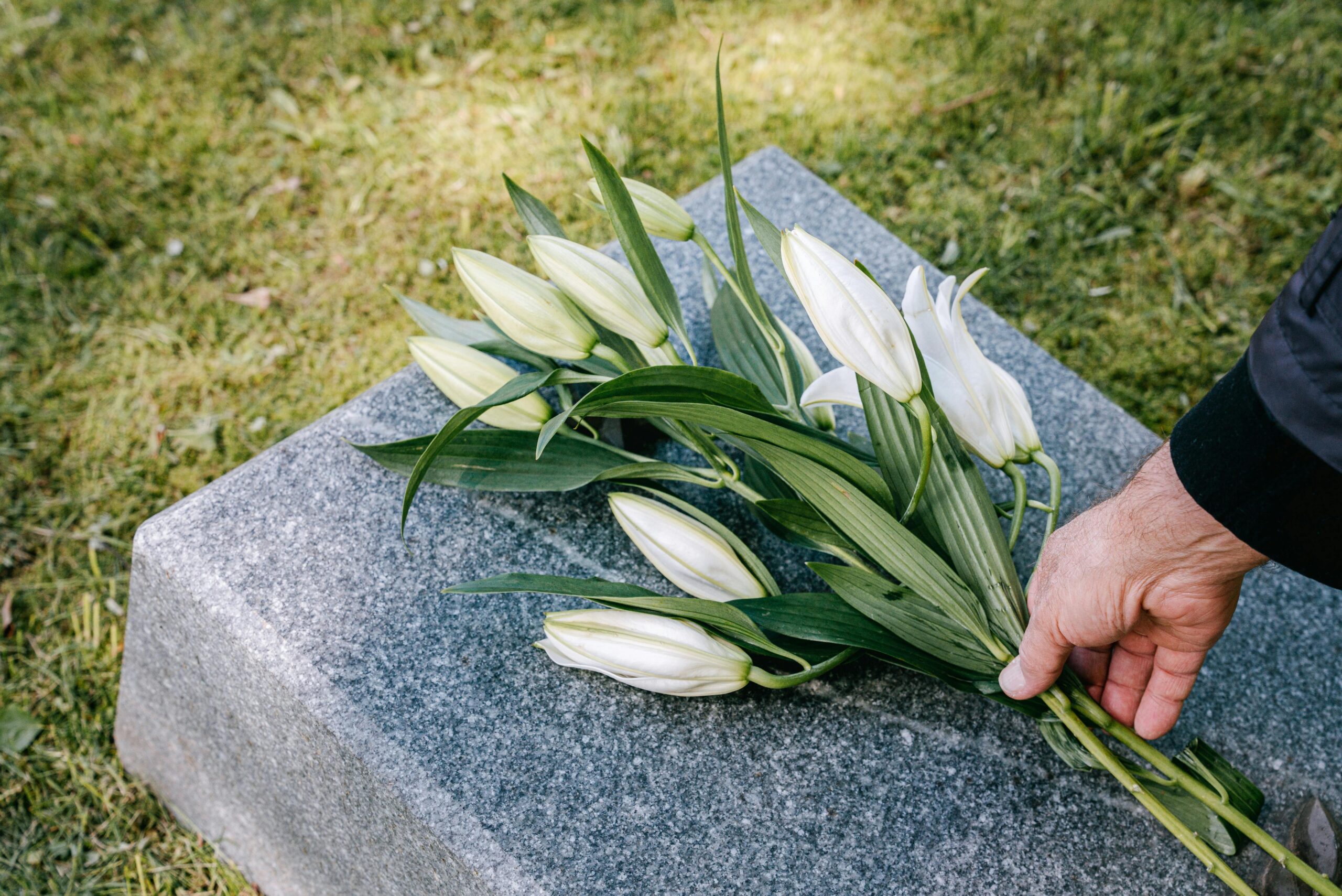
Flowers remain one of the most common ways to honor someone at a grave. Families may choose a loved one’s favorite flower, favorite color, seasonal arrangement, veteran tribute, or flowers connected to a holiday or anniversary.
Always follow cemetery rules. Avoid glass, balloons, loose decorations, oversized displays, and anything that interferes with mowing or maintenance.
Helpful guides: How to Choose Flowers for a Gravesite | What Not to Place at Gravesites
Document the Memorial for Family History
One of the most lasting ways to honor a loved one is to document the grave marker, inscription, cemetery section, nearby family markers, and current condition of the family plot. This is especially valuable for out-of-town families and relatives researching family history.
Family memorial documentation can preserve names, dates, symbols, veteran details, plot context, and photographs before the marker becomes harder to read or the cemetery changes over time.
Related service: Family Memorial Documentation
Clean the Gravestone Safely When Appropriate
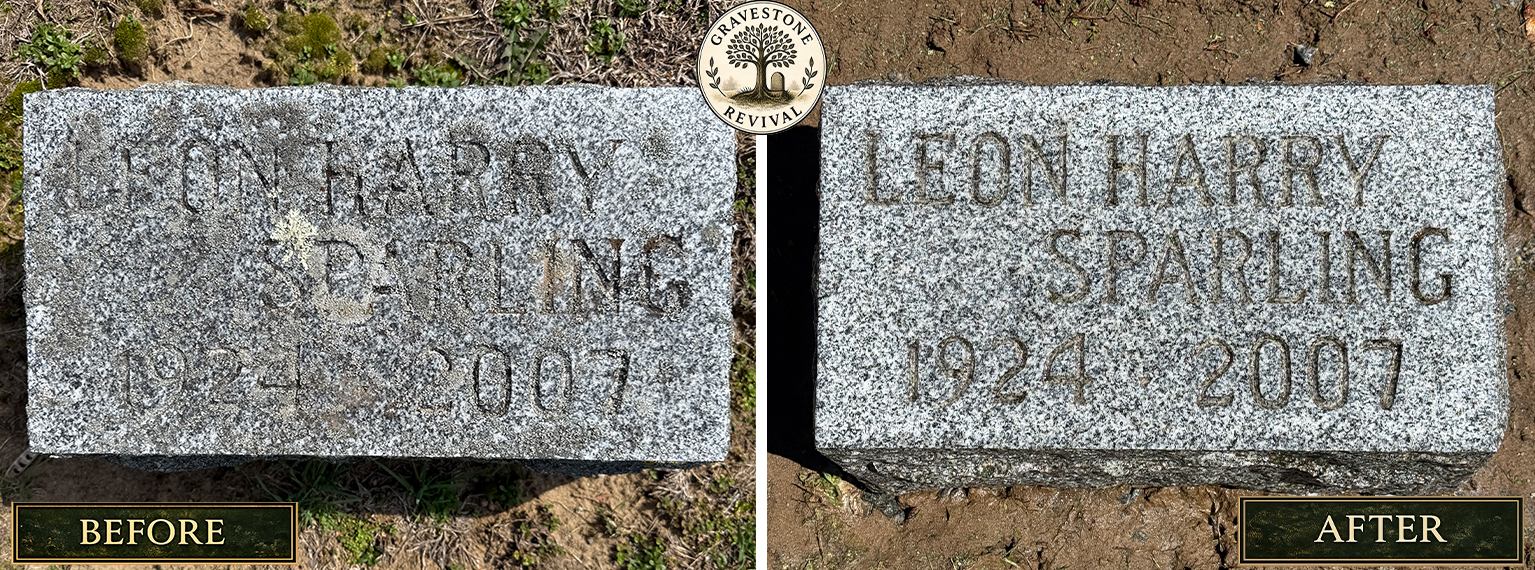
A clean and readable gravestone is one of the strongest signs of ongoing care. Dirt, lichen, moss, algae, staining, and biological growth can hide names, dates, symbols, and family inscriptions.
Cleaning should always be preservation-first. Do not use pressure washing, bleach, acidic cleaners, wire brushes, or harsh scrubbing. The goal is not to make an old memorial look new; the goal is to improve readability and protect the memorial.
Related resources: Gravestone Cleaning | Why Is My Gravestone So Dirty?
Preserve a Hard-to-Read Inscription
When a name, date, epitaph, or veteran inscription becomes difficult to read, documenting it can be an act of preservation. Sometimes cleaning helps. Sometimes letter repainting may be appropriate. Other times the best first step is photography from several angles and a written condition report.
Helpful guide: Why Is My Headstone Inscription Hard to Read?
Honor a Veteran’s Service
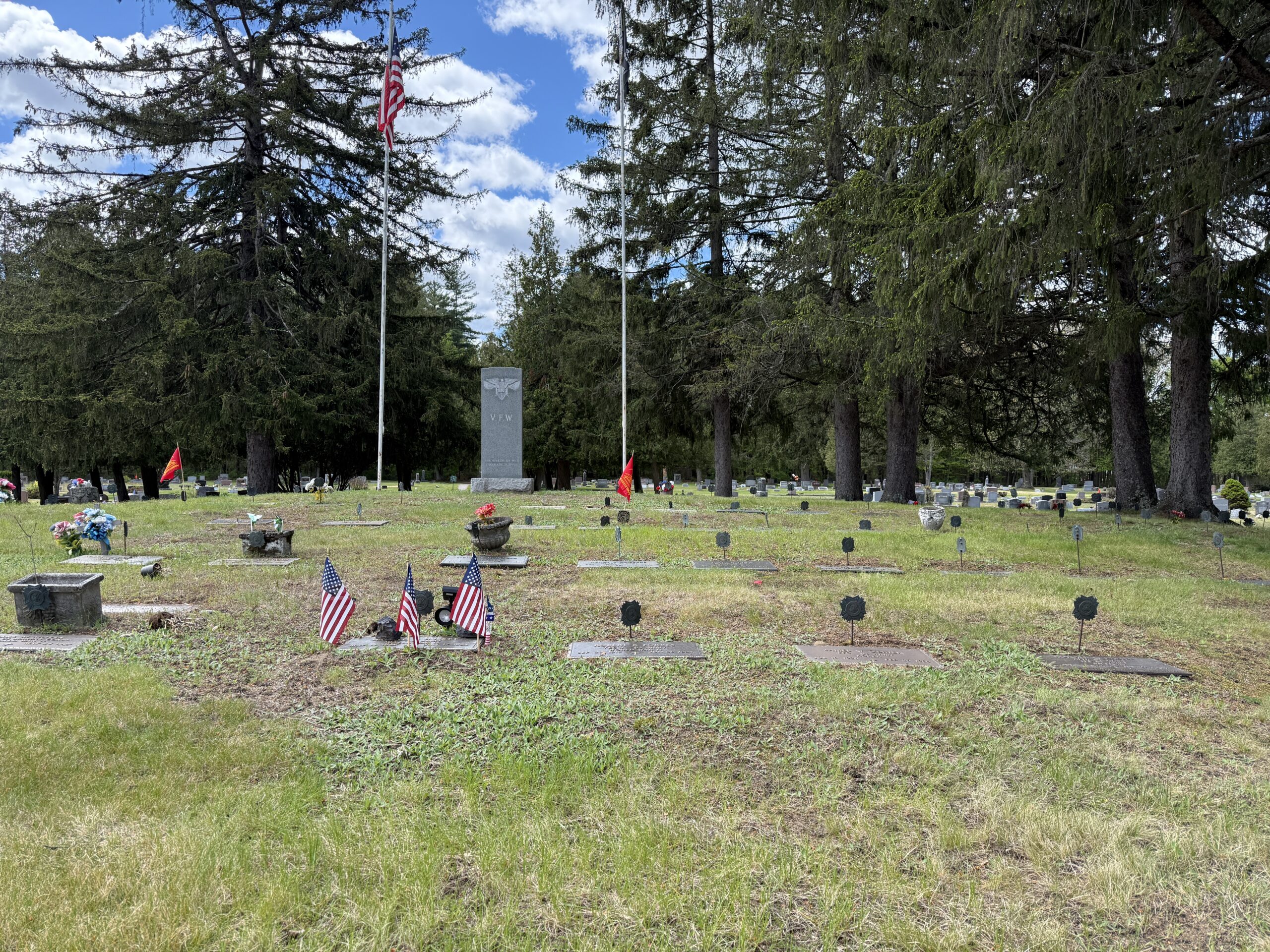
Veteran graves often carry special meaning for families. A respectful tribute may include a cemetery-approved flag, documentation of the veteran marker, Memorial Day or Veterans Day visits, cleaning when appropriate, or photographs for relatives who cannot visit.
Veteran grave documentation can help preserve military inscriptions, emblems, service details, cemetery context, and current condition.
Helpful guide: Veteran Grave Care & Memorial Documentation
Repair, Level, or Stabilize the Memorial When Needed
Sometimes honoring a loved one means addressing a visible cemetery problem. A marker may be leaning, sinking, cracked, broken, fallen, unstable, or separated from its base. These concerns should be documented before any work begins.
When appropriate, leveling, resetting, repair, or stabilization can help protect the memorial and reduce the risk of additional damage.
Related resources: Why Are Gravestones Leaning? | Can a Gravestone Be Repaired?
Create a Family Cemetery Record
A family cemetery record can include photographs, names, dates, inscriptions, cemetery names, plot locations, veteran details, nearby family markers, and written notes. This can become a valuable resource for children, grandchildren, genealogists, and relatives who live far away.
For many families, documenting the cemetery is not only about the stone. It is about preserving the family story connected to that place.
Helpful resource: How to Find, Document, and Preserve an Ancestor’s Grave
Support Out-of-Town Family Members
Many families want to honor a loved one but cannot visit the cemetery regularly. Distance can make it difficult to know whether flowers are present, the inscription is readable, the marker is clean, or the gravesite has visible condition concerns.
Current cemetery documentation can help out-of-town relatives feel connected and informed. Photos and written notes give the family a clear record of what the memorial looks like now.
Helpful resource: Out-of-Town Cemetery Care
FAQ: Honoring a Loved One at a Cemetery
What is a meaningful way to honor someone at a cemetery?
A meaningful tribute may include visiting on important dates, placing flowers, documenting the memorial, cleaning the gravestone when appropriate, preserving the inscription, or continuing a family tradition.
Can I leave flowers at a grave?
Usually, but cemetery rules vary. Always check whether fresh flowers, artificial flowers, vases, wreaths, flags, or seasonal decorations are allowed.
How can I honor a loved one if I live far away?
Family memorial documentation, cemetery photography, condition reports, and current gravesite photos can help out-of-town relatives stay connected to a loved one’s memorial.
Is cleaning a gravestone a way to honor someone?
Yes, when done safely. Preservation-first cleaning can improve readability, reduce biological growth, and help maintain the dignity of the memorial.
What should I avoid leaving at a cemetery?
Avoid glass, balloons, food, alcohol, loose decorations, oversized displays, adhesives on headstones, and anything that interferes with mowing, safety, or cemetery rules.
Need Help Documenting or Caring for a Family Memorial?
If your loved one, parent, grandparent, spouse, veteran family member, or ancestor is buried in Saratoga County, Montgomery County, or Fulton County, Gravestone Revival can help with cemetery documentation, grave photography, gravestone cleaning, condition reporting, and preservation-first cemetery care.
Send the cemetery name, town, family surname, memorial photos if available, and what kind of documentation or cemetery care you need.
Before & After Photo Documentation and a Written Gravesite Condition Report are always provided.